
Industrial Signage Design: Practical Principles for Safety, Visibility and Compliance
- The Sign Company UK

- Jan 3
- 4 min read
You rely on industrial signs to keep people safe, guide traffic and maintain efficiency in industrial settings, so clarity and durability matter more than decoration. Designing industrial signs well means prioritising legibility, consistent visual hierarchy and robust materials to ensure messages are seen and acted on immediately. The sign company specialises in providing industrial signs that meet these exacting standards.
You will learn practical design choices that reduce errors and downtime, from font sizes and contrast to placement and weatherproofing. The right industrial signs cut confusion, speed decisions and protect staff and equipment. The sign company recommends focusing on these principles to optimise safety and workflow.

Key Takeaways
Prioritise legibility and material durability for clear, long-lasting industrial signs.
Use consistent hierarchy and contrast to ensure quick comprehension.
Place and maintain industrial signs strategically to support safety and operational flow.
Core Principles of Industrial Signage Design
Design industrial signs that prioritise clear type, high contrast, and universally recognised symbols. Emphasise viewing distance, mounting height, and environmental lighting when choosing size, colour and materials. The sign company ensures that every industrial sign is tailored to its environment for maximum impact.
Legibility and Readability Standards
Legibility depends on letterform clarity and size relative to viewing distance. Use sans-serif or engineered fonts designed for industrial signs (for example, DIN 1451, Transport, or Frutiger for wayfinding). Maintain a minimum x-height and stroke width so letters do not blur at the required distance.
Control spacing: set letter-spacing and line-height to prevent crowding, especially for multi-line instructions. For regulatory or safety industrial signs, follow local standards (BS EN ISO 7010 and BS 5499 where applicable) for text size and layout. Use mixed-case lettering for body text; reserve all caps for short headings only.
Account for viewing angle and motion: increase letter size for angled or moving-view scenarios. Test at the intended mounting height and typical approach speeds to ensure reading takes under two seconds for critical messages.
Colour Contrasts and Visibility
Select colours using luminance contrast ratios appropriate to the task. For safety-critical messages, aim for high contrast (light-on-dark or dark-on-light) with a luminance ratio of at least 12:1 for small text; lower ratios may suffice for large pictograms.
Use standard safety colours per BS 5499 and BS EN ISO 7010: red for prohibition/fire, amber/yellow for caution, green for safe conditions, and blue for mandatory actions. Ensure reflective or photoluminescent materials where low light or night-time visibility is necessary.
Consider surface finish and environmental effects: matte reduces glare in bright light, gloss helps in wet conditions. Account for fading and contamination—choose UV-stable inks and easy-to-clean substrates for outdoor or dusty industrial environments.

Iconography and Symbol Usage
Use standardised symbols to reduce language dependence and improve reaction time. Prefer symbols from BS EN ISO 7010 for safety signs and ISO 7001 for public information; avoid bespoke icons unless tested for universal comprehension.
Design icons with simple geometry and clear negative space. Ensure stroke weight scales with sign size so the symbol remains recognisable at distance. Pair icons with concise text for complex instructions; place the symbol to the left or above text for quick scanning.
Test symbols with your workforce and in-situ mock-ups. Validate comprehension across language, literacy and cultural differences. Keep symbol sets consistent across a site to avoid confusion and speed up cognitive recognition.
Best Practices and Application of Industrial Signage
Choose materials that resist your site's hazards, apply industrial signs that meet specific legal standards, and tailor graphics and mounting to the operational environment so messages remain visible and actionable. The sign company uses only the highest quality materials for industrial signs to ensure longevity and compliance.
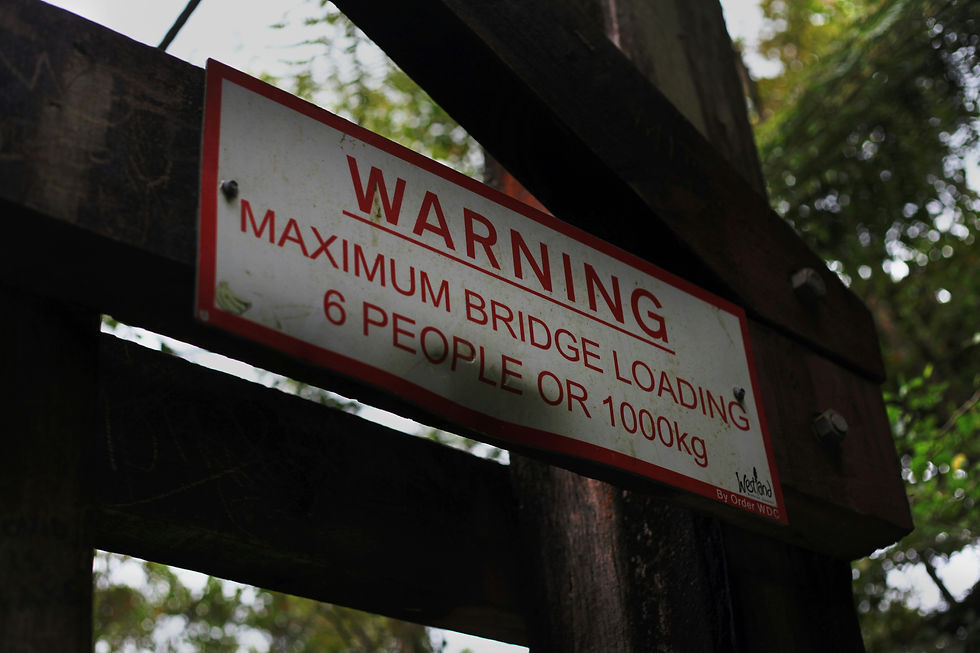
Material Selection and Durability
Select substrates based on exposure and mechanical risk. For outdoor yards and chemical plants, use aluminium with powder-coat or marine-grade stainless steel; both resist corrosion and maintain legibility. For high-impact zones such as loading docks, choose .080" aluminium or 3mm polycarbonate with rounded corners to avoid tearing and chipping.
Consider face finishes and inks. Use UV-stable vinyl or ceramic-fired enamel for long-term colour retention; solvent-based inks withstand grease and fuel better than water-based alternatives. Laminate with anti-graffiti or matte UV film where scratching or obscuring is likely.
Fixings matter as much as materials. Use tamper-resistant rivets or stainless-steel bolts in corrosive settings, and vibration-resistant mounts (spring washers, nyloc nuts) on machinery. Specify temperature ratings for adhesives and plastics when industrial signs will face extremes below -20°C or above 80°C.
Safety Compliance and Regulations
Identify the legal standards that apply to your industry and location first. Refer to UK Health and Safety (Safety Signs and Signals) Regulations 1996 and BS EN ISO 7010 for symbol consistency; follow local environmental permit conditions where relevant.
Make hazard industrial signs readable at operational distances. Use minimum letter heights and contrast ratios: for every 10 metres of viewing distance use at least 15 mm capital letter height. Ensure photoluminescent industrial signs meet ISO 17398 if used on escape routes and that firefighting signs conform to BS 5499 where required.
Document your industrial sign audit and retention schedule. Keep records of sign locations, installation dates, inspection intervals, and replacement triggers (fading, damage, regulatory change). This evidence supports compliance audits and demonstrates proactive risk control. The sign company can assist with ongoing maintenance and compliance for all your industrial signs.
For a complete signage strategy, explore our Industrial Signage Materials blog and our custom industrial signs resource to align design with durability and tailored solutions.
Customisation for Specialised Environments
Adapt colour, size, and materials of industrial signs to the environment’s sensory and operational constraints. In darkrooms or low-light tunnels, employ photoluminescent or self-illuminated industrial signs with ISO-compliant luminance; in noisy plants, emphasise visual redundancy and pictograms over text. In corrosive or food-processing areas, The sign company recommends stainless steel and ETFE-coated graphics for hygiene and chemical resistance.
Design industrial signs for line-of-sight and task-specific placement. Mount machine hazard panels at operator eye level and aisleway signs above shoulder height to avoid obstruction. The sign company suggests using modular sign systems and QR codes on longer procedures to link users to up-to-date digital SOPs without cluttering the physical industrial sign.
Test customised industrial signs in situ before large rollouts. Run a short usability check with operators: confirm viewing distance, glare, comprehension of pictograms, and durability under real workloads. The sign company advises adjusting based on feedback and documenting changes for future procurement.


Comments