
Custom Industrial Signs for Enhanced Safety and Brand Identification

You need industrial signs that work as hard as your operation. Custom industrial signs keep people safe, direct traffic, and reinforce processes by matching your site’s layout, materials, and regulatory needs. Choose the right custom industrial sign and you cut confusion, meet compliance, and boost on-site efficiency.
Design choices—size, material, colour, and mounting—determine durability and visibility in harsh environments, while bespoke messaging ensures clarity for staff and contractors. Working with specialists like The Sign Company means you get industrial signs that balance practical constraints and legal requirements, so your site stays organised and safer.
Key Takeaways
Custom industrial signs improve safety and operational clarity on site.
Material and design choices affect durability and visibility.
Professional guidance helps meet compliance and practical needs.
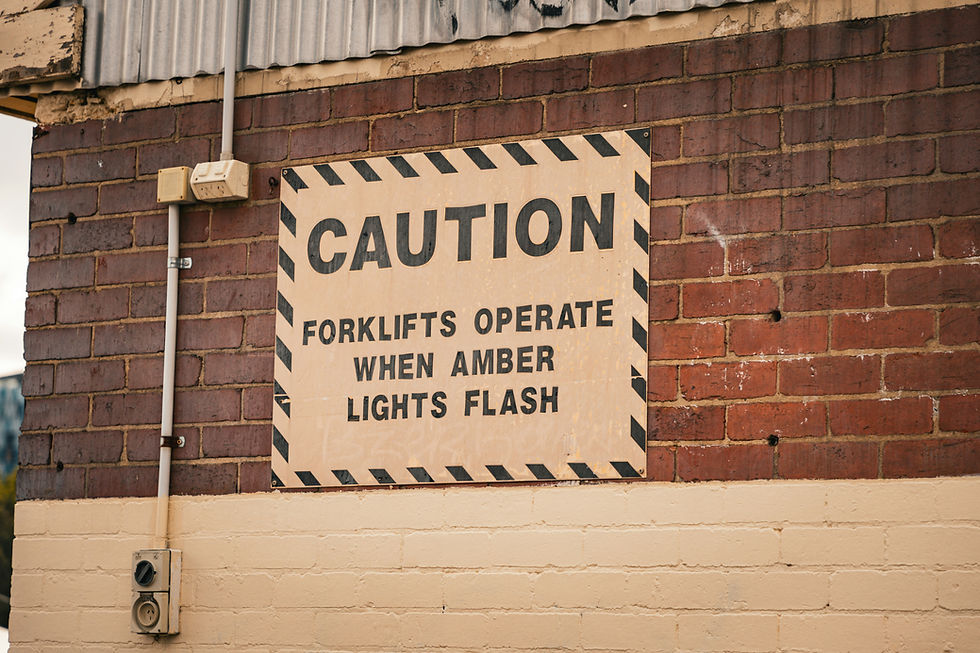
Types of Custom Industrial Signs
You will find industrial signs designed to keep people safe, direct movement, enforce rules, and label machinery. Each sign type uses specific colours, materials, and mounting methods to meet legal, environmental, and operational needs.
Safety Signage
Safety signs warn you of hazards and guide emergency actions. Common formats include pictograms, signal words like DANGER or CAUTION, and concise instructions such as "Wear eye protection" or "High voltage — keep out". Use photoluminescent materials for escape routes and reflective vinyl for low-light areas; stainless steel or aluminium resists corrosion in harsh environments.
Place safety signs at eye level near the hazard, on doors, machine guards, and at access points. Ensure compliance with ISO 7010 and local workplace regulations by specifying correct symbols, colour codes (red for prohibition, yellow for caution), and minimum sizes for legibility at intended viewing distances.
Directional Signs
Directional signs help you navigate complex facilities quickly. Design them with clear arrows, short labels (e.g. "Loading Bay B", "Dispatch"), and contrasting backgrounds for fast recognition. Use modules and interchangeable panels where routes change seasonally or during reorganisation.
Choose aluminium composite or rigid PVC for indoor wayfinding; use engraved aluminium with anti-graffiti coating for outdoor durability. Mount signs on posts, walls, or hanging frames depending on sightlines, and position them at decision points — intersections, stair landings, and corridor junctions — to reduce congestion and improve workflow.
Regulatory Signs
Regulatory signs tell you what you must or must not do to meet legal requirements. Examples include "No Smoking", "Safety Helmet Must Be Worn", and statutory fire door notices. They must display prescribed wording and symbols, and you should check national regulations for exact phrasing and placement.
Keep regulatory industrial signs unobstructed and replace faded or damaged items promptly. For high-risk zones, combine regulatory messages with photographic-quality vinyl or tactile elements (Braille) to meet accessibility obligations. Document sign locations in your safety management system for audits and compliance checks.

Equipment Labelling
Equipment labelling provides identification, operating limits, and maintenance data directly on machinery. Include asset ID, serial number, voltage, capacity, and inspection intervals in a compact, readable layout. Use durable labels such as anodised aluminium plates, polyester laminates, or stainless steel tags depending on exposure to chemicals, heat, or abrasion.
Attach labels with rivets, tamper-evident screws, or high-strength adhesives to ensure longevity. Incorporate QR codes or NFC tags for digital records, linking to manuals, service history, and parts lists so you and your team can access technical information on-site without delay.
Design and Compliance Considerations
Choose sign materials and finishes that withstand your environment, meet visibility needs, and satisfy applicable regulations. Plan for legible typography, mandatory symbols, and secure mounting to ensure long-term performance and legal compliance for all industrial signs.
Material Selection
Select materials based on exposure, chemical contact, and mechanical wear. For outdoor areas exposed to UV and rain, use marine‑grade aluminium with a polyester powder coat or 316 stainless steel; both resist corrosion and maintain legibility. For areas with chemical splash or high heat, choose PTFE‑coated metals, polycarbonate, or engraved phenolic which tolerate solvents and temperatures up to specified limits.
Consider reflectivity and impact resistance for safety signs. Class 1 reflective sheeting suits low‑speed vehicle zones; Class 2 or high‑intensity prismatic sheeting works for high‑speed or low‑light locations. For lightweight, indoor directional signs, use acrylic or aluminium composite panels to balance cost and durability. Specify anti‑graffiti laminates where vandalism is a risk.

Customisation Options
Tailor colour, size, and symbols to match operational needs and brand standards. Use Pantone or RAL colour codes to ensure precise colour matching across multiple industrial signs and materials. Specify text size according to viewing distance: a common rule is 1 inch (25 mm) of uppercase letter height per 10 feet (3 m) of viewing distance, adjusted for local standards.
Include pictograms from ISO 7010 or BS EN 647 to meet recognition requirements. For serialised equipment tags, integrate QR codes or RFID chips for digital asset tracking and maintenance records. Offer tactile features—embossed lettering or Braille—where accessibility regulations require them. Provide finishes (matte, gloss, anti‑glare) to reduce reflection under specific lighting.
Industry Standards and Regulations
Comply with standards relevant to your sector and location to avoid fines and enhance safety. Follow ISO 7010 for graphical symbols; use BS 5499 for colour and safety sign principles where applicable. For chemical and hazardous areas, adhere to Control of Substances Hazardous to Health (COSHH) signage requirements and CLP Regulation for hazard communication.
Check the Health and Safety (Safety Signs and Signals) Regulations 1996 for workplace sign obligations in the UK. For road and traffic signs on private sites, reference Chapter 8 of the Traffic Signs Manual for temporary works and the Traffic Signs Regulations and General Directions (TSRGD) where applicable. Document conformity with certificates or technical datasheets showing fire ratings, reflectivity class, and material test results.
For expert advice and quality custom industrial signs, partner with The Sign Company to ensure your facility meets every safety, regulatory, and branding requirement.
For additional insights, explore our industrial signage design blog and our what is industrial signage resource to build a stronger, more informed signage strategy.
Installation Requirements
Plan mounting locations for industrial signs to ensure visibility, correct height, and secure fixing. The sign company recommends positioning industrial signs so the centreline of text is typically 1.5–2.0 m above floor level for pedestrian routes; adjust for machinery operator sightlines and vehicle drivers. Use tamper‑proof fasteners and load‑rated anchors for industrial signs in public or high‑vibration areas.
Address environmental clearances and glare: avoid placing industrial signs directly opposite bright light sources and keep a clear sight triangle near traffic routes. For electrical or illuminated signs, The sign company ensures compliance with BS 7671 wiring standards and provides IP ratings appropriate to the installation (e.g. IP65 for outdoor fixtures). Record the installation location and maintenance schedule for industrial signs in your asset management system.


Comments