
Materials Used for 3D Letter Signs: Durable, Lightweight and Weather‑Resistant Options for Outdoor and Indoor Installations

You want 3D letters sign that last, look great and suit your budget — and the right material makes that happen. Choose acrylic or aluminium for weather resistance and clean edges, use PVC or foam for lightweight, cost-effective options, and opt for stainless steel or brass when durability and premium finish matter most.
If you care about bespoke looks, explore materials like timber, illuminated acrylic, or composite panels to add texture, warmth or glow. Matching material to mounting, lighting and location ensures the final 3D letters sign performs exactly as you intend.
Key Takeaways
Pick materials based on durability, weight and finish to match your installation needs.
Acrylic and metals cover most commercial and outdoor requirements effectively.
Alternative materials let you achieve distinctive textures and illuminated effects.

Core Materials for 3D Letter Signs
You’ll find materials chosen for durability, appearance, weight and cost. Each option balances fabrication methods, exterior performance and visual finish.
Acrylic Options
Acrylic sheets (cast or extruded) deliver sharp edges and a glossy finish ideal for illuminated faces. Cast acrylic resists crazing and solvents better than extruded; choose 3–10 mm for illuminated faces and 6–12 mm for routed or stacked letters.
Use colour-through acrylic for coloured faces without paint, or clear acrylic with vinyl or translucent film for backlit applications. CNC routing and laser cutting give precise cut edges; glue with solvent cement or use mechanical fixings for stronger joins. Outdoors, choose UV-stabilised grades and consider a protective lacquer if coastal salt or industrial pollutants are present.
Acrylic letters are lightweight compared with metal, lowering fixing costs and enabling larger suspended 3D letters sign. However, acrylic scratches more easily than metal and can crack under impact, so position and protective edge treatments matter.
Stainless Steel
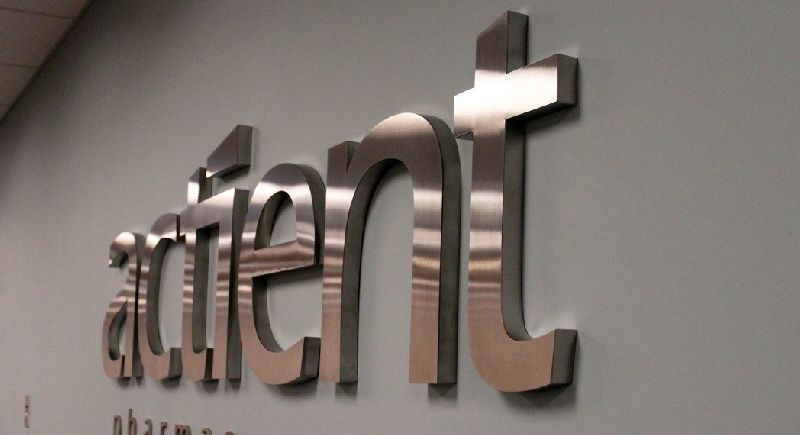
Stainless steel offers a premium metallic look and excellent corrosion resistance, especially grades 304 and 316. Use 316 for marine or coastal sites; 304 suffices for most urban and indoor installations.
You can fabricate stainless letters by waterjet cutting, laser cutting or CNC plasma, then finish with brushed, mirror-polished or bead-blasted surfaces. Formed returns (sides) welded to a face produce robust 3D depth; spot welding and TIG welding are common for clean joins. Stainless is heavier and may require stronger fixings and backing plates.
For illuminated 3D letters sign, stainless faces often combine with acrylic or aluminium returns. Expect higher material and labour costs but lower maintenance and a long service life under normal conditions.
Aluminium Choices
Aluminium provides a lightweight metal option with good corrosion resistance when powder-coated or anodised. Use 1.5–3 mm thickness for flat faces and 2–6 mm for formed letters depending on span and wind load.
Cut aluminium with CNC routers, laser or waterjet; weld or rivet returns for depth. Powder-coating allows exact Pantone matches and offers weather resistance; anodising gives a durable metallic finish without paint. For illuminated 3D letters sign, pair aluminium returns with acrylic faces or use aluminium faces with routed cut-outs for halo lighting.
Aluminium suits large 3D letters sign on façades due to low weight and ease of installation. However, untreated aluminium oxidises dullly; choose surface prep and coatings to match the expected lifespan and maintenance plan.
PVC Foamboard
PVC foamboard (Foamex, Komatex equivalents) is a cost-effective, lightweight core for non-illuminated and painted 3D letters sign. Typical thicknesses run 3–20 mm; thicker boards provide greater depth and rigidity for free-standing lettering.
It cuts cleanly on CNC routers, forming crisp profiles and smooth edges ready for paint. PVC is moisture-resistant and tolerates most solvents used in sign painting, but it can deform under sustained heat and lacks the scratch resistance of metal or acrylic. For external use, choose UV-stabilised grades and consider reinforcing long, thin strokes with aluminium or backing plates.
PVC foamboard works well for temporary, indoor or sheltered outdoor 3D letters sign where low cost and easy fabrication outweigh premium appearance.
Innovative and Decorative Material Alternatives
These options give you distinctive aesthetics, enhanced durability, and integrated lighting without relying on traditional acrylic or plain metal.
LED-Integrated Letters
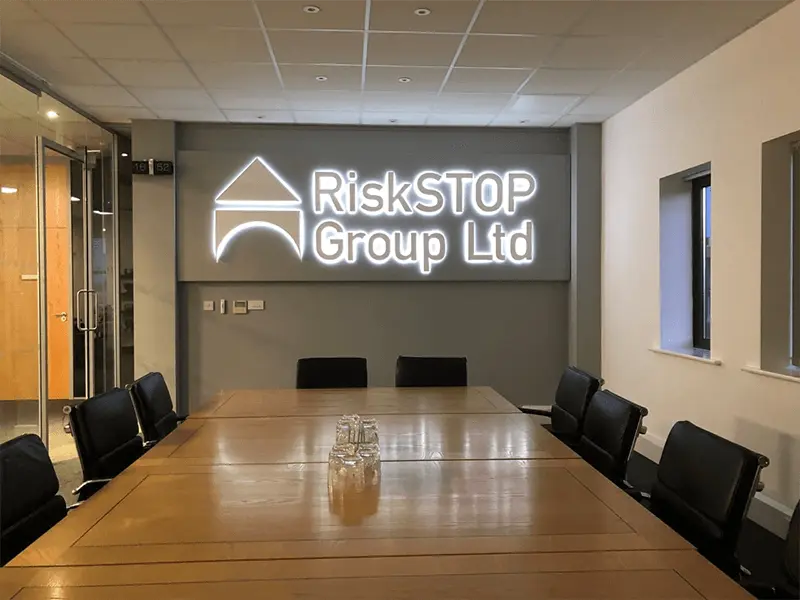
LED-integrated 3D letters sign combine a structural material with embedded or mounted light sources to produce illuminated signage. You can choose front-lit (halo), backlit (reverse halo), or edge-lit configurations; each dictates letter depth, diffuser type, and power routing. Front-lit letters typically use high-output SMD LEDs behind a translucent face for even brightness. Backlit letters require opaque faces and internal channels to direct light to a halo diffuser, while edge-lit designs depend on clear acrylic edges and precise polishing to refract light.
Consider heat management and service access: aluminium or aluminium-backed acrylic shells dissipate heat well and allow removable rear panels for maintenance. Use IP-rated LEDs and sealed wiring for outdoor use to prevent ingress. Specify colour temperature (2700K–6500K) and LED binning for consistent colour across multiple letters. Include driver location and ventilation in your installation plan to avoid premature LED failure.
Wood Finishes
Wood offers warmth and tactile appeal for interior and sheltered exterior 3D letters sign when properly protected. Common choices include FSC-certified oak, iroko, and cedar; each varies in grain, hardness and outdoor longevity. Solid timber letters cut by CNC provide depth and natural edge profiles, while veneered MDF gives a stable, cost-effective alternative for painted or stained finishes.
Surface protection matters: use exterior-grade polyurethane or marine varnish for outdoor applications, and UV-stable stain plus sealing for colour retention. For indoor installations, consider routed grooves and inlaid metals for contrast. Combine timber with LED backlighting by creating hollow cores or mounting LEDs on a separate aluminium backplate to avoid heat transfer that could warp the wood.
For expert advice, fabrication, and installation of your next 3D letters sign, trust The sign company to help you choose the best materials for your needs. The sign company specialises in durable, eye-catching 3D letters sign for both indoor and outdoor applications, ensuring your signage stands out and lasts.
For further guidance, read our blogs “Illuminated vs Non-Illuminated 3D Letter Signs” and “3D Letters Large” to explore visibility choices and oversized signage solutions.
Composite Metals
Composite metals like dibond (aluminium composite), zinc-aluminium alloys, and stainless steel with bonded substrates offer strength and reduced weight. Dibond comprises two thin aluminium skins with a polyethylene core, providing flat, rigid faces ideal for routed 3D letters sign or large-format signage. Its low weight simplifies wall fixing and reduces the need for heavy-duty anchors, making it a popular choice for 3D letters sign installations by The sign company.
Stainless options resist corrosion and polish well for high-end looks but require thicker sections to control flex. Powder-coated aluminium alloys provide durable colour and scratch resistance, which is essential for 3D letters sign longevity.
When choosing composites for your 3D letters sign, The sign company recommends checking for galvanic corrosion risks when mating dissimilar metals and using isolation washers or non-conductive fixings. For outdoor use, verify the coating system and expect typical lifespans of 10–20 years depending on environment and maintenance. The sign company ensures that every 3D letters sign meets these durability standards.


Comments