
Hoarding Graphics Effective Design Strategies for Urban Advertising

Hoarding graphics are large-scale visual displays typically used on construction sites or around building projects to provide information and improve the appearance of the area. They serve both practical and promotional purposes by conveying necessary details and enhancing the surrounding environment during developments.
Effective design of these graphics requires careful consideration of materials, messaging, and layout to attract attention and maintain professionalism throughout the project duration.
Used strategically, hoarding boards can influence public perception and boost brand awareness for developers or contractors.
Key Takeaways
Hoarding graphics combine practical information with visual appeal.
Designing hoarding boards involves clear messaging and thoughtful layout.
They help shape public perception and support project branding.
What Are Hoarding Graphics?
Hoarding graphics serve multiple functions in urban and construction environments. They communicate information, advertise, and enhance site aesthetics. Their types, materials, and specific roles vary depending on project needs and regulations.
Definition and Purpose
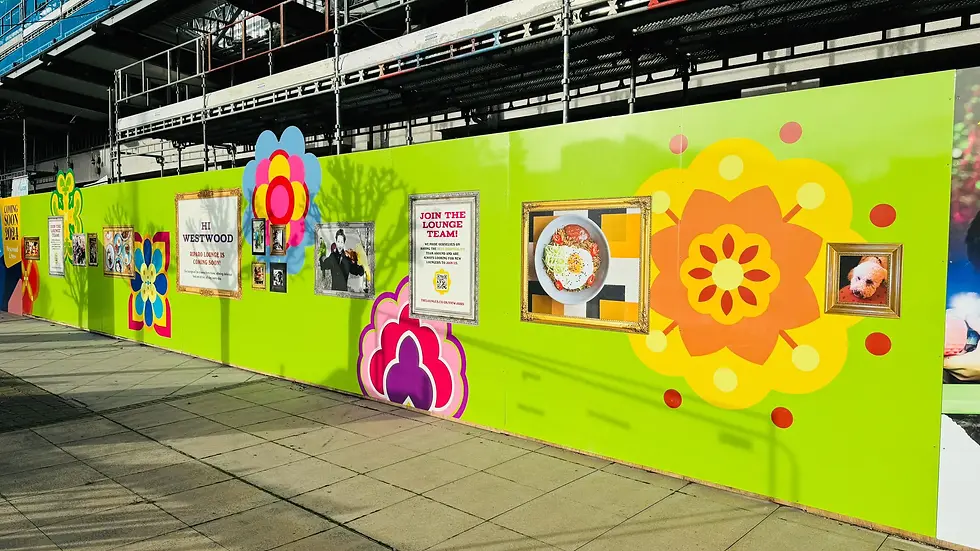
Hoarding graphics are large-scale visual displays applied to temporary fencing or barriers around construction sites. They function primarily to inform the public about the project details, promote associated brands, and improve the site's visual appeal during building work.
They also provide privacy and security by blocking views into the construction zone. This helps to reduce theft, vandalism, and potential safety hazards. Additionally, hoarding boards often comply with local laws that require clear site identification.
Types of Hoarding Graphics
Common types include vinyl wraps, mesh banners, and printed panels. Vinyl wraps offer high-resolution images and vivid colours, suitable for detailed promotional content. Mesh banners allow airflow, reducing wind pressure on fencing while still displaying graphics clearly.
Printed panels are rigid and durable, often made from materials like aluminium composite or corflute. Each type varies in cost, durability, and visual impact, influencing choices based on site conditions and budget constraints.
Common Materials Used
Vinyl is the most prevalent material due to its flexibility and weather resistance. It supports full-colour printing and can be laminated for extra protection. Mesh fabrics, typically polyester, are favoured for open-weave designs that withstand wind while maintaining image quality.
Rigid panels often use aluminium composite or corrugated plastic, offering sturdiness and ease of installation. UV-resistant inks and waterproof coatings are standard to ensure longevity under varying weather conditions and urban pollution.
Role in Construction Sites
Hoarding boards play a key role in site management by ensuring safety,
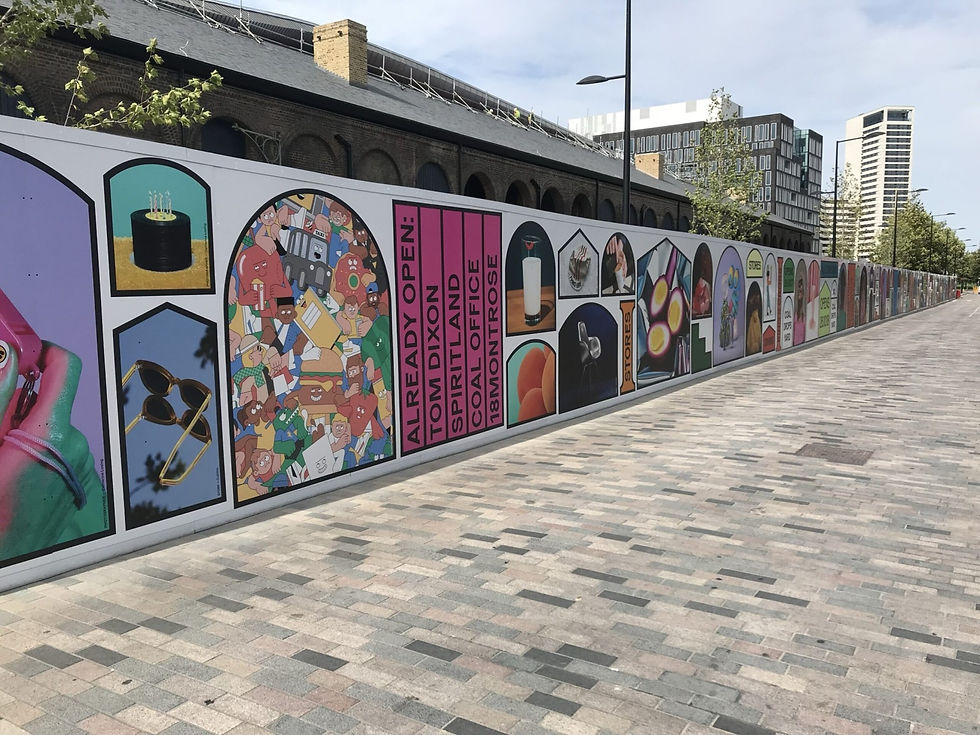
communication, and aesthetics. They guide pedestrians and vehicles, reducing the risk of accidents near active work zones. Clear signage on hoarding boards informs workers and visitors of safety procedures and site rules.
These graphics signpost project timelines and stakeholder information, fostering transparency. They also improve the urban landscape by masking unsightly construction work, reducing negative visual impact during the build process.
Design and Implementation of Hoarding Graphics
Effective hoarding graphics combine visual impact with clear messaging. Attention to layout, brand identity, and compliance requirements ensures the hoarding serves its purpose while adhering to legal standards.
Design Principles and Best Practices
Hoarding boards should prioritise visibility from a distance. Bold colours and large, legible fonts improve readability. Minimal text with concise messaging ensures quick comprehension by passersby.
Use contrasting colours to separate text and images, preventing visual clutter. Images must be high resolution to avoid pixelation, especially on large prints.
Placement on the hoarding should consider sight lines and natural traffic flows. The design must balance promotional content with structural features like support poles, ensuring no critical information is obscured.
Customisation and Branding
Hoarding graphics offer a valuable opportunity to reinforce brand identity. Consistent colour schemes, logos, and typography are essential to maintain brand recognition.
Custom elements such as taglines, social media handles, or QR codes can enhance engagement. These features must be integrated seamlessly into the design without overcrowding.
Options for different materials and finishes, such as matte or gloss, can further tailor the hoarding’s appearance. Choosing weather-resistant materials extends the graphic’s lifespan outdoors.
Regulations and Compliance
Local planning authorities typically regulate hoarding boards to ensure safety and conformity. Designs must comply with size limits, content restrictions, and illumination rules.
Safety standards require secure installation to withstand wind and prevent hazards. Where hoarding boards are near roads, graphics must not distract drivers or obstruct traffic signals.
Advertising content should avoid offensive or misleading material as defined by the Advertising Standards Authority. Obtaining necessary permits before installation is a mandatory step. Check out our blogs on Hoarding Printing and Hoarding Sign to see how quality production and clear signage enhance your hoarding’s impact

Frequently Asked Questions
What factors should be considered when choosing a design template for hoarding boards?
The design template must be visually clear from a distance and include the brand’s key colours and logos. Durability of the material and ease of updating the graphic are also important.
What are the key safety considerations for hoarding design at construction sites?
The hoarding boards should be strong enough to withstand wind pressure and prevent unauthorised access. They must include clear signage about hazards and emergency contact information.
Where can I find a comprehensive guide to hoarding structure design in PDF format?
Industry bodies such as Construction Safety Associations or local government websites often provide downloadable guidelines. Searching for “hoarding structure design PDF” specific to regional standards will yield reliable results.
How is the price of hoarding boards determined?
Price depends on material quality, size, and print complexity. Additional costs can arise from installation, maintenance, and any required permits.
What are the standard dimensions of hoarding boards used in advertising?
Standard hoarding boards typically measure 8 feet by 4 feet, though custom sizes are common depending on site requirements. Height and width must comply with local regulations.
What design elements are effective for a restaurant's hoarding board advertisements?
Bold images of popular dishes, clear contact details, and strong calls to action work best on hoarding boards. Using warm colours and appetising visuals on hoarding boards attracts attention and encourages visits. Hoarding boards should highlight the restaurant's unique offerings to make a memorable impression.



Comments