
What Are Window Vinyls: A Clear Guide to Types, Uses and Installation

Window vinyls are thin adhesive films you apply to glass to change its appearance, control light, add privacy or display graphics. They stick directly to windows and come in many finishes — frosted, coloured, perforated for visibility, and printed for branding — so you can achieve style and function without replacing glass.
You can use window vinyls to darken glare, block UV, advertise your business or create decorative features at low cost and with quick installation. Installation and removal are straightforward when you choose the right material and allow for professional fitting if you need perfect results. The sign company offers expert advice and installation services to ensure your window vinyls look professional and last.
Key Takeaways
Window vinyls provide quick aesthetic and functional upgrades to glass surfaces.
Options include privacy, solar control and printed graphics to suit different needs.
Installation is usually simple but professionals can ensure a flawless finish.
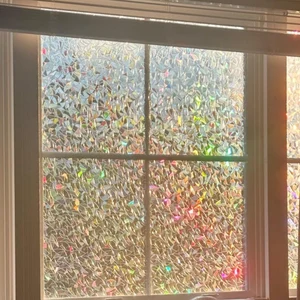
Understanding Window Vinyls
Window vinyls let you control privacy, light and branding on glass. They come in multiple types and materials, each suited to specific uses such as retail signage, solar control, privacy screening or decorative finishes. The sign company supplies a wide range of window vinyls for both homes and businesses.
Definition of Window Vinyls
Window vinyls are thin, adhesive-backed films designed to stick to glass surfaces. You apply them directly to windows or doors to alter appearance, light transmission, thermal performance or privacy without replacing the glass.
There are two main application methods: permanent adhesives for long-term use and removable adhesives for temporary or seasonal changes. Some window vinyls are pressure-sensitive and need a squeegee for bubble-free installation; others use static cling and require no adhesive.
Manufacturers rate window vinyls by durability (usually 3–10 years outdoors), thickness (microns) and UV resistance. Those ratings help you choose a film that withstands sun exposure, cleaning and weather for your intended location.
Types of Window Vinyls
Cast window vinyls suit long-term outdoor applications because they resist shrinkage and conform to complex surfaces. Calendared window vinyls work well for flat surfaces and short-to-medium term jobs; they are more affordable but less dimensionally stable.
Perforated (one-way vision) window vinyls let you display graphics on the outside while retaining an outward view from the inside. Frosted and etched-look window vinyls mimic sandblasted glass to provide privacy without blocking all light.
Solar control and low-emissivity (low-E) window vinyls reduce heat gain and UV transmission to protect interiors and lower cooling costs. Anti-graffiti and security window vinyls add impact resistance and make glass harder to vandalise or shatter.
Materials Used in Window Vinyls
PVC (polyvinyl chloride) forms the base of most window vinyls, offering flexibility and good adhesion. High-performance window vinyls use cast PVC, which maintains clarity and size stability over several years.
Adhesive systems vary: permanent acrylic adhesives bond strongly to glass and last for many years; removable adhesives are designed to peel cleanly without residue. Static-cling window vinyls use no adhesive and rely on electrostatic forces for temporary applications.
Surface finishes include clear glossy, matte and textured options created by embossing or surface coating. Some window vinyls include metallic or ceramic layers for solar reflectivity; these layers affect heat control and visible light transmission.
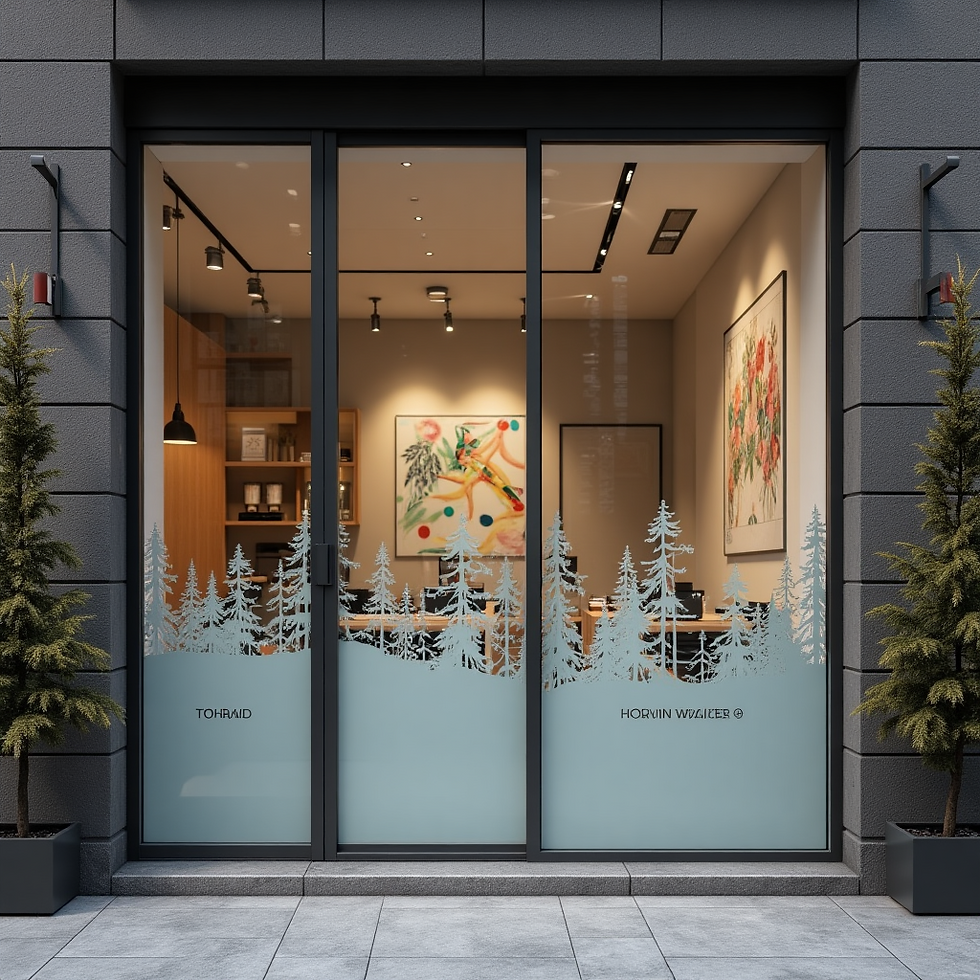
Applications and Benefits of Window Vinyls
Window vinyls improve privacy, control light and heat, and add branded or decorative graphics that last. They can be tailored to specific rooms, retail displays or safety needs, while offering easy maintenance and measurable energy savings. The sign company helps customers choose the best window vinyls for their goals.
Residential Uses
You can use frosted or etched-effect window vinyls on bathroom and bedroom windows to block sightlines while keeping natural light. Install privacy window vinyls on ground-floor windows and patio doors to reduce the need for curtains and maintain an open feel.
Solar control window vinyls reduce UV transmission by 70–99% depending on the product, protecting furniture and flooring from fading. Decorative window vinyls with patterns or simulated leaded glass add character to stairwells, conservatories and front doors without replacing glazing.
Removable static-cling window vinyls suit rental properties because you can peel them off without residue. For security, you can fit safety window vinyls that hold shattered glass together, lowering cut and intrusion risk after impact.
Commercial Uses
You can apply window vinyls for branding, wayfinding and legal compliance on shopfronts and offices. Cut vinyl logos, full-colour printed graphics and frosted strips promote your brand while meeting sight-line requirements for automatic doors and glass partitions.
Retail environments use printed window vinyls to advertise promotions and seasonal lines, with printable polymer films that withstand rain and sunlight. Office interiors benefit from privacy bands and whiteboard window vinyls that enable collaborative spaces without building new walls.
Safety and anti-graffiti window vinyls protect high-footfall façades from vandalism and make cleaning easier. For energy management, commercial solar-control window vinyls reduce cooling loads on glazed façades, often providing measurable HVAC savings during summer months. The sign company can recommend the right window vinyls for your business and ensure professional installation.

Design and Customisation Options
You can choose from window vinyl types: frosted, opaque, clear, perforated (one-way vision), and printed polymer for photographic quality. Each type has specific uses — perforated window vinyl keeps outward visibility for storefronts while presenting a full-colour image externally.
Colour-matched cut window vinyl provides crisp logos and text; digitally printed window vinyl allows gradients and photographic detail with UV-stable inks. You can also order bespoke finishes like metallics, mirrored window vinyls or textured patterns to match interior design schemes.
Sizes can be serial-cut for window rows or supplied as large-format rolls for storefronts. Professional installers, such as The sign company, can overlaminate printed window vinyls with anti-scratch and anti-UV coatings to extend lifespan by several years, depending on exposure.
You may also find our blogs on Window Vinyls London and Shop Window Signage helpful when exploring professional applications and design ideas.
Durability and Maintenance
Most quality window vinyls last 5–10 years outdoors; interior applications often exceed 10 years with low UV exposure. Lifespan depends on film type, adhesive quality, and exposure to sunlight, heat, and cleaning chemicals.
To keep your window vinyls looking their best, The sign company recommends cleaning with a mild, phosphate-free detergent and a soft cloth or squeegee. Avoid abrasive pads, ammonia-based cleaners, and solvents that can degrade adhesives and inks. For perforated window vinyls, clear the vents and clean gently to prevent clogging and image distortion.
When it's time to remove window vinyls, The sign company suggests using heat and a slow peel to reduce residue. Adhesive removers and isopropyl alcohol can help clear any remaining tack. Regular inspections for lifting edges and bubbling allow you to repair panels or replace sections before problems spread. The sign company is always available to assist with maintenance or replacement of your window vinyls to ensure your signage stays vibrant and effective.


Comments