
What Are Vehicle Wraps Explained: Benefits and Applications for Your Car

Vehicle wraps are large vinyl decals or graphics applied directly onto a vehicle’s surface. They serve as a protective layer and a mobile advertisement, allowing vehicles to display custom designs without permanent paintwork. This makes vehicle wrap options versatile for both personal and business use.
These wraps can cover the entire vehicle or just parts of it, and they are designed to be durable and weather-resistant. People often choose a vehicle wrap to change the look of their car quickly or to promote a brand in a cost-effective way.
The process involves professional installation to ensure the vinyl fits smoothly and lasts for years. Because a Vehicle wraps can be removed without damaging the paint underneath, it offers a flexible alternative to traditional paint jobs.
Key Takeaways
Vehicle wraps are vinyl graphics applied to vehicle surfaces for design and protection.
They provide an adaptable way to personalise or advertise without permanent changes.
Installation is key to durability and clean finish over the vehicle’s lifespan.

Understanding Vehicle Wraps
Vehicle wraps involve specific materials and techniques that transform a vehicle’s appearance. Their purposes vary from advertising to personal customisation. Different types and materials define their function and durability.
Definition and Purpose
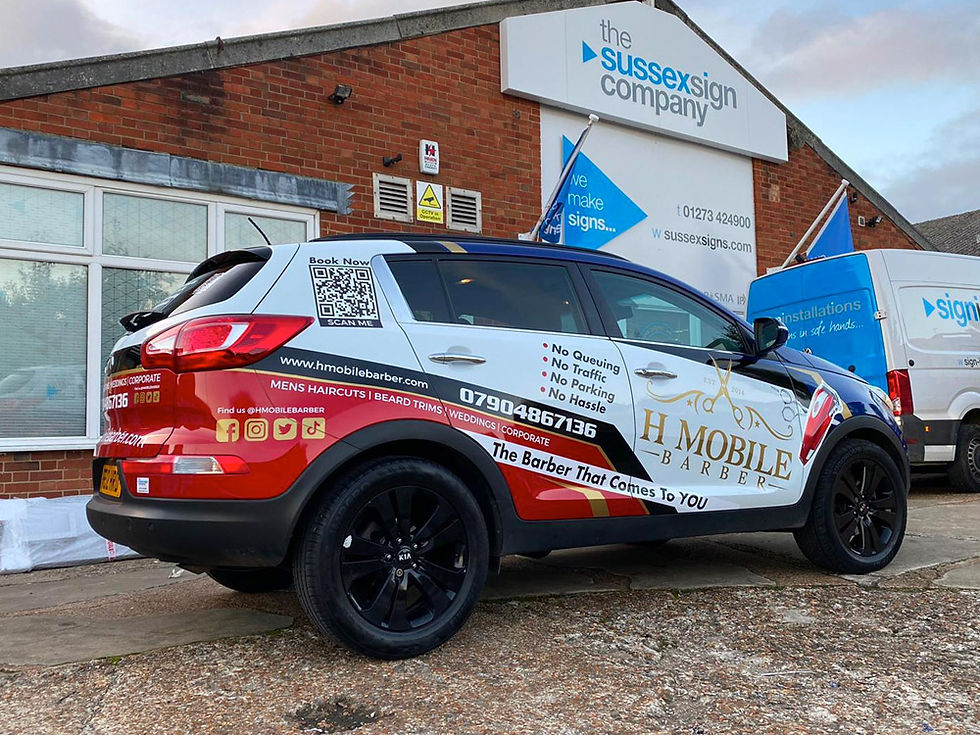
A vehicle wrap is a large vinyl graphic or decal applied directly over the vehicle’s paint. It can cover part or all of the surface, changing the vehicle’s look without permanent alteration.
The main purpose is to protect the original paintwork while providing a cost-effective way to display advertisements, branding, or personalised designs. Wraps are popular among businesses that want mobile marketing without the expense of a full paint job.
Additionally, a vehicle wrap allows for temporary changes, as it can be removed or replaced without damaging the paint beneath.
Types of Vehicle Wraps
Vehicle wraps are broadly categorised into full wraps, partial wraps, and decals.
Full wraps cover the entire vehicle exterior, offering maximum visual impact.
Partial wraps cover specific sections, such as doors or the bonnet, used often for branding smaller areas.
Decals are smaller vinyl stickers applied to particular spots for minimalist design or logos.
Each type of vehicle wrap suits different budgets, purposes, and design needs.
Materials Used in Vehicle Wraps
Vehicle wraps primarily use vinyl, chosen for flexibility and durability. The most common types include:
Calendered vinyl: Thicker, less expensive, suitable for short-term use.
Cast vinyl: Thinner, more conformable and long-lasting, preferred for complex vehicle surfaces.
Vinyl films are treated with UV protection to resist fading and damage from weather. Adhesive backing allows the vehicle wrap to stick securely but enables clean removal.
Difference Between Wraps and Paint
Wraps differ from paint mainly in application and flexibility. Paint is permanent and involves chemicals, sanding, and drying. A vehicle wrap is a removable film applied without altering the vehicle’s body.
Wraps allow quick and often less costly design changes, while paint requires a longer process and is more durable in harsh conditions. However, high-quality paint usually lasts longer without peeling or cracking.
A Vehicle wraps protects the original paint from small scratches and UV rays, which paint alone cannot do.
Benefits and Applications of Vehicle Wraps
Vehicle wraps offer a range of practical uses, from business promotion to vehicle care. They provide flexibility in design and financial efficiency, making them suitable for many different needs.
Advertising and Branding
A Vehicle wraps serves as a mobile billboard. Businesses use vehicle wraps to display logos, contact information, and promotional graphics clearly visible to potential customers. This form of advertising reaches a broad audience daily without recurring costs like traditional adverts.
They allow for creative branding that can be updated regularly. Companies can target specific regions or events by changing the vehicle wrap design. This visibility increases brand recognition effectively.
Protection and Preservation
Vehicle wraps protect the original paint from scratches, chips, and UV rays. This layer helps maintain the vehicle’s resale value by preventing damage caused by weather and minor collisions.
When removed, the paint underneath usually remains intact, unlike with traditional painting methods.
Personalisation Options
A Vehicle wraps offers almost unlimited design possibilities. Owners can choose from various colours, finishes (matte, gloss, satin), and custom graphics to achieve a unique look without permanent alteration.
This flexibility appeals to private owners and businesses wanting to stand out. They can tailor the vehicle wrap design to personal taste or match corporate identity with precision.

Cost Considerations
Compared to a full paint job, a vehicle wrap is generally more affordable. Installation of a Vehicle wraps takes less time, reducing labour costs and vehicle downtime.
Wrap durability varies, typically lasting 3–7 years depending on material and maintenance. While more expensive initially than decals, a vehicle wrap covers larger areas and provides greater protection. Choosing a vehicle wrap offers a balanced cost-to-benefit ratio.
For more insights, check out our blogs on [can car wraps be removed] to learn about safe removal and [vehicle wraps design] for creative customization ideas.


Comments