
Light Boxes LED: Innovative Illumination for Modern Displays
- The Sign Company UK

- Sep 5, 2025
- 8 min read
LED light boxes are versatile illuminated displays that use energy-efficient LED lighting to showcase graphics, messages, or artwork with crisp, even brightness.
Their blend of visual impact, low maintenance, and customisable features makes light boxes a go-to solution for upgrading exhibitions, retail spaces, and creative projects.
From freestanding tension fabric displays at trade shows to compact light boxes for tracing or diamond art, LED light boxes cater to a range of needs and environments.
Whether enhancing brand visibility or providing practical illumination for creative tasks, light boxes offer adaptability and aesthetic appeal with minimal running costs.
Key Takeaways
LED light boxes deliver bright, even illumination for various display applications.
Customisation and energy efficiency are major advantages.
Suitable for exhibitions, retail, and creative use.
Understanding LED Light Boxes
LED light boxes use modern lighting technology to provide bright, energy-efficient illumination for a range of display and functional purposes.
Their specialised construction ensures an even light distribution and a slim profile suited to both commercial and creative environments.
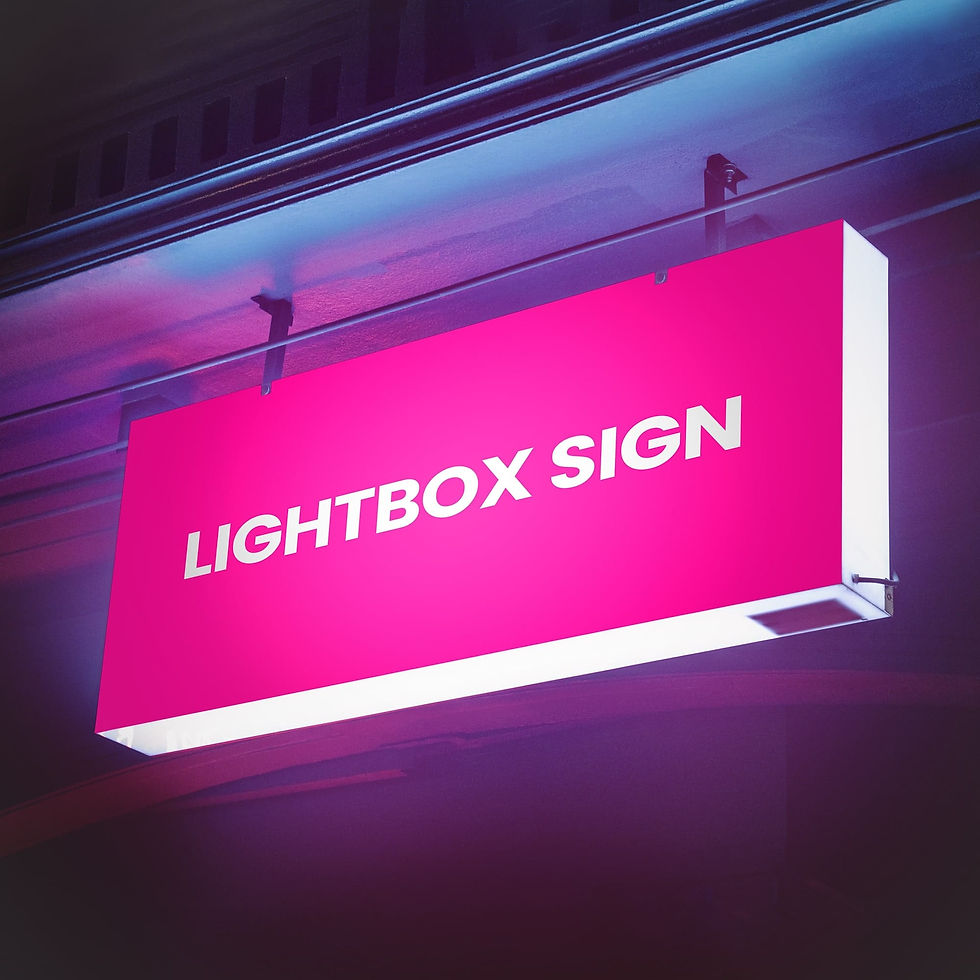
What Are LED Light Boxes?
An LED light box is a framed enclosure designed to illuminate graphics, posters, or surfaces from behind or the sides using integrated LED lighting.
Unlike older fluorescent-lit displays, LED light boxes are much slimmer due to the compact size of LEDs.
They are often found in retail signage, menus, photography, and architectural features.
The typical structure consists of a lightweight metal or plastic frame, a translucent panel, and replaceable graphics or posters.
Easy-access panels enable frequent updates, making light boxes ideal for changing promotions or seasonal artwork.
Common uses include advertising displays, exhibition stands, and backlit visual presentations.
Some units are fixed installations, while others are portable for flexible placement.
Custom shapes or sizes are often available to fit specific branding or design requirements.
How LED Technology Works in Light Boxes
LED (Light Emitting Diode) technology produces light with minimal energy consumption and long operational life.
LEDs are placed either on the edges or across the back panel within the light box.
Edge-lit models use a diffuser to spread light evenly, while backlit arrangements offer more uniform brightness.
Energy efficiency is a major advantage, with LEDs consuming up to 80% less electricity than traditional bulbs.
They also emit little heat, reducing the risk of damage to displayed materials.
LEDs switch on instantly and remain bright throughout their lifespan, typically lasting tens of thousands of hours.
Colour temperatures can be adjusted, allowing users to choose between warm or cool tones for optimal visual impact.
Combined with dimmable options, this flexibility supports diverse display requirements.
Types of LED Light Boxes
LED light boxes come in several main types to suit different applications.
The table below summarises common varieties:
Type | Features | Typical Use |
Edge-Lit | LEDs at frame edges, slim profile | Retail, signage |
Backlit | LEDs behind the display surface | Art displays, menu boards |
Double-Sided | Visible graphics on both sides | Hanging signs, wayfinding |
Custom-Shaped | Non-standard shapes and sizes | Bespoke branding, creative |
Portable/Freestanding | Lightweight, movable, plug-and-play | Events, pop-up displays |
Some models include features such as snap-open frames, magnetic panels, or tensioned fabric systems for quick graphic changes.
Choice of type depends on available space, desired effect, and mounting options (wall, hanging, or free-standing).
Benefits and Applications of LED Light Boxes
LED light boxes offer notable improvements in performance and efficiency compared to older lighting methods.
Their range of uses spans high-visibility signage in public spaces to subtle decorative features in residential environments.
Advantages Over Traditional Light Boxes
LED light boxes excel in energy efficiency, consuming up to 70% less power than fluorescent alternatives.
This leads to lower operating costs and less frequent maintenance.
Lifespan is another advantage.
LEDs can last several years longer than conventional bulbs, reducing waste and replacement expenses.
Uniform backlighting eliminates hotspots and shadows, resulting in even illumination across the display.
Below is a quick comparison:
Feature | LED Light Box | Traditional Light Box |
Energy Consumption | Low | High |
Brightness | Adjustable, Even | Variable, Uneven |
Durability | High | Lower |
Maintenance | Minimal | More Frequent |
LEDs are also available in various colour temperatures, providing flexibility for different applications without compromising image clarity or viewer comfort.
Commercial and Retail Uses
In retail settings, LED light boxes are widely used to highlight advertisements, menus, and promotional displays.
They help attract customer attention due to their bright, even lighting and vivid colour reproduction.
Businesses value the ability to swap graphics easily, thanks to snap frames or magnetic closures.
Custom sizes allow integration into shelving, window displays, and exterior signage for storefronts.
Point-of-sale displays benefit from the uniform illumination, ensuring that products or graphics remain highly visible in varying lighting conditions.
LED light boxes also have indoor and outdoor variants, making them suitable for a broad range of promotional needs.
Home and Decorative Applications
Within homes, LED light boxes serve as modern décor elements.
They are used for illuminating artwork, display cases, or as statement lighting on walls.
Individuals may install smaller units as night lights or reading lights, benefitting from adjustable brightness and energy savings.
Custom graphics can be inserted, allowing for frequent changes to match seasons or personal preferences.
Some models include remote controls and dimming functions, making them easy to adapt for ambient lighting or as a focal point in living rooms, bedrooms, or home offices.
The slim design of LED panels ensures they can fit in areas with limited space while maintaining a clean, uncluttered look.
Key Features and Customisation Options
LED light boxes offer distinct benefits through adaptable lighting, versatile construction materials, and a wide range of size options.
These features allow users to tailor the light boxes for specific applications, from commercial signage to creative displays.
Brightness and Colour Temperature
LED light boxes are valued for their adjustable brightness, meeting varying requirements from subtle backlighting to high-impact displays.
Some models allow users to control intensity, which ensures that graphics or signage remain visible under different ambient lighting conditions.
The colour temperature of LEDs plays a crucial role in the appearance of displayed images.
Warm white (around 3000K) creates a softer, more inviting look.
Neutral or cool whites (4000K–6500K) are ideal for retail and commercial environments, offering a crisp, clean illumination.
Modern light boxes often support custom settings or programmable lighting modes.
This flexibility enables businesses to match lighting to branding or product presentation.
Consistent, even illumination also reduces shadowing and enhances the visibility of graphics.

Frame Materials and Mounting Options
The frame is a key component, affecting both the durability and appearance of an LED light box.
Aluminium is commonly used due to its strength, light weight, and resistance to corrosion.
Steel options are available for greater robustness in demanding settings.
Frame designs range from ultra-slim bezels, which maximise display area, to classic thicker borders for additional protection.
Surface finishes may include brushed, anodised, or powder-coated variants to match different décor or branding requirements.
Mounting options are diverse, including wall-mount, ceiling-suspended, and free-standing versions.
Many systems support easy installation and quick graphic replacement.
This flexibility makes light boxes suitable for permanent fixtures as well as temporary exhibition setups.
Size Variations
LED light boxes come in a wide selection of standard and custom sizes.
Popular options include A4, A3, A2, A1, and large-format custom builds for retail environments or trade shows.
Custom sizing allows businesses to integrate light boxes seamlessly into unique spaces.
For example, ultra-slim models can fit into narrow corridors or small corners, while large models serve as feature displays in shops.
Size does not just affect visual impact.
It influences installation needs and overall design.
Manufacturers often offer bespoke options, ensuring the light box meets the exact requirements of each project.
Installation, Maintenance, and Energy Efficiency
Proper installation ensures even illumination and secure mounting.
Regular maintenance keeps the unit looking clean and functioning well.
Efficient energy use and long lifespan are key advantages of LED light boxes.
Installation Considerations
LED light box installation should begin with selecting a suitable location with access to mains power and sufficient wall or ceiling support if required.
Accurate measuring and marking are crucial to align the box and ensure a professional fit.
Essential tools include a spirit level, drill, wall plugs, screws, and a screwdriver.
Where wiring is needed, observing electrical safety is vital—using a qualified electrician is recommended for mains-powered installations.
For signage or commercial units, correct placement ensures the desired visual impact and even light distribution.
Some models use plug-and-play connections, making them easier to install, while others might need hardwiring.
Always follow manufacturer instructions.
Adequate ventilation around the unit helps prevent overheating and prolongs LED life.
Cleaning and Maintenance Tips
Light boxes should be cleaned regularly to maintain brightness and clarity.
Use a soft, dry microfibre cloth to remove dust from the surface and frame.
Avoid abrasive cleaners or rough cloths, as these can scratch acrylic covers or damage the frame finish.
For more stubborn marks, dampen the cloth with water or a mild, non-ammonia detergent, then gently wipe the surface.
Ensure the unit is switched off and unplugged before cleaning to reduce the risk of electric shock.
Check wiring and mounting every few months for any signs of wear or loosening.
Replace faulty components using genuine parts to ensure continued electrical safety and performance.
Energy Consumption and Lifespan
LED light boxes consume less electricity compared to fluorescent or incandescent alternatives, thanks to their high energy efficiency.
Typical LED units convert most of the energy into visible light, with minimal waste heat generated.
The average LED light box operates efficiently on low voltage and uses between 5 and 30 watts depending on size and brightness settings.
Many models are compatible with lighting control systems, allowing further reduction in energy use through dimming or automation features.
With proper use, LEDs can last from 30,000 up to 50,000 hours, translating into years of consistent operation.
This long lifespan also reduces maintenance costs and environmental impact due to fewer replacements. For more practical insights, don’t miss our blogs Light Boxes Signs for business-focused display solutions and How to Make Light Boxes for a step-by-step guide to creating your own illuminated displays.

Frequently Asked Questions
LED light boxes require careful installation, maintenance, and understanding of their features to maximise effectiveness and longevity.
Their use in both indoor and outdoor settings is subject to technical, environmental, and legal considerations.
How do you install an LED light box on a wall?
Installation typically involves securing mounting brackets to the wall, ensuring alignment and stability.
The LED light box is then attached to these brackets and locked in place according to the manufacturer’s instructions.
Power connections should be made by a qualified electrician to ensure safety and compliance with local codes.
What are the best practices for maintaining an LED light box display?
Regularly clean the surface with a soft, dry or slightly damp cloth to prevent dust build-up.
Check electrical connections and inspect for any flickering or burnt-out LEDs.
Ensure that ventilation openings are unobstructed to avoid overheating and prolong the life of the unit.
Can light box signs be used effectively outdoors?
LED light box signs designed for outdoor use incorporate weather-resistant materials such as sealed aluminium frames and waterproof LEDs.
Proper installation and placement out of direct exposure to severe weather conditions help maintain performance.
Always check the IP (Ingress Protection) rating to determine suitability for outdoor environments.
What are the key features to look for in a LED light box sign?
Look for high-brightness LEDs with an even light distribution across the display surface.
Durable frame construction, easy-access panels for graphic changes, and energy efficiency are important.
Consider custom sizing and options for dimmable lighting to meet specific requirements.
What lighting techniques improve quality in photography light boxes?
For photography, use adjustable LED brightness and diffusers to create even, shadow-free lighting.
Position the subject centrally and experiment with background colours to enhance contrast and detail.
Multiple angled light sources can minimise reflections and create professional results.
What regulations should be considered when installing outdoor lighted sign boxes for businesses?
Check local council regulations regarding brightness and sign size. Position and allowed hours of illumination for light boxes may also be regulated.
Electrical installations for light boxes must comply with British Standards. Certification may be required for these installations.
Planning permission may be necessary for larger or illuminated signs. This is especially important for light boxes in conservation areas or listed buildings.


Comments