
Hotel Room Signs: Essential Design and Compliance Guide

You rely on hotel signs more than you think — they guide guests, protect privacy and reinforce the brand within seconds of arrival. Choose the right hotel signs and design, and you’ll improve guest experience, compliance and operational clarity without adding clutter. The Sign Company London specialises in providing high-quality hotel signs that meet these essential needs.
This article shows practical hotel sign types, design choices and customisation tips so you can pick hotel signs that look professional and work reliably. Expect clear examples and simple criteria to help you decide what to order and where to place it. The Sign Company London offers a wide range of hotel signs to suit every property.
Key Takeaways
Pick sign types that match function and guest expectations.
Use consistent design principles to boost clarity and brand cohesion.
Customise materials and finishes for durability and hotel style.
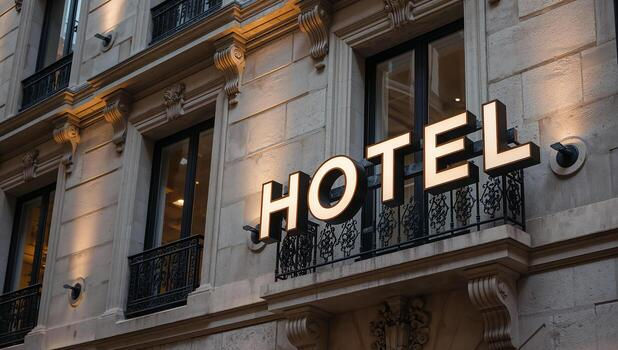
Essential Types of Hotel Room Signs
You need hotel signs that guide guests, identify rooms, and communicate safety information clearly and quickly. Each sign type must balance visibility, durability and compliance with accessibility standards.
Directional and Wayfinding Signs
Directional hotel signs guide guests from entrances, lifts and corridors to reception, amenities and different room wings. Use high-contrast text, pictograms and tactile arrows; place signs at decision points such as lift lobbies, corridor intersections and stairwell exits.Choose fonts like Frutiger or Helvetica for legibility at a distance of 3–10 metres. Maintain a minimum character height and ensure signage is illuminated or reflective for low-light routes.
Include floor directories near main entrances and repeat key orientation signs every 15–25 metres in long corridors. Use consistent colour coding for wings or floors (for example, blue for guest services, green for leisure) to reduce cognitive load.Consider modular panels for seasonal updates and vandal-resistant materials (anodised aluminium, laminated acrylic) in high-traffic areas. The Sign Company London can advise on best practices for directional hotel signs.
Door Numbering Systems
Room numbers must be unambiguous and consistently formatted across the property. Adopt a logical numbering scheme: floor prefix + room number (e.g., 05-12 for floor five, room 12) to speed wayfinding for staff and emergency services.Use raised numerals and Braille on every door to meet accessibility regulations; position numerals at a standard height beside or above the handle for consistent sightlines.
Select durable finishes that resist wear from cleaning agents—powder-coated metal or UV-stable acrylic work well. Ensure contrast between numerals and background (e.g., white numerals on dark wood grain). For suites and connecting rooms, add clear suffixes (A/B) and install discreet indicators for occupied/vacant status if required by operations. The Sign Company London provides custom door numbering solutions for all hotel signs.
Safety and Emergency Markings
Safety hotel signs must prioritise clarity under stress and comply with local fire and building codes. Install illuminated exit signs above doors and directional exit markers along corridors; use photoluminescent strips on stair edges and handrails where power may fail.Display evacuation route maps on corridor walls and inside each guestroom, showing primary and secondary exits, assembly points and locations of fire extinguishers. Use simple icons and short labels to speed recognition.
Mark fire doors, alarm call points and firefighting equipment with standardised symbols and high-visibility colours (red for firefighting, green for exits). Keep hotel signs unobstructed by decor or furniture and integrate maintenance schedules to replace burnt-out illumination and faded photoluminescent tape. The Sign Company London supplies compliant safety hotel signs for peace of mind.

Design Principles and Customisation Options
Choose durable, legible, and brand-consistent hotel signs that meet legal accessibility standards while fitting your budget and aesthetic. Prioritise materials, finishes, visual identity, and compliance to ensure hotel signs perform in daily use and communicate clearly to guests.
Materials and Finishes
Select materials based on location and expected wear. Use aluminium or stainless steel for external doors and corridors because they resist corrosion and retain finish; use acrylic or polycarbonate for internal wayfinding where lightweight, scratch-resistant panels work well. Consider engineered wood or laminate for boutique rooms to match interior joinery.
Match finish to maintenance needs. Powder-coated metal hides fingerprints and lasts longer than wet paint. Brushed metal and satin anodised aluminium reduce glare while polished chrome gives a premium look but needs frequent cleaning. For tactile elements, choose matte surfaces to improve contrast for touch.
Specify manufacturing methods for longevity. CNC routing produces precise edges for braille and raised lettering. UV-printing bonds colour to substrate for fade resistance; digital printing suits complex imagery but add a clear-coat for protection. Include anti-graffiti laminates in high-traffic or public areas. The Sign Company London offers expert advice on selecting the right materials and finishes for your hotel signs.
Branding and Visual Identity
Embed your logo, typeface and colour palette consistently across all hotel signs. Use your approved Pantone or CMYK values, and set minimum clear space around logos to avoid crowding. Apply a primary typeface for room numbers and a secondary sans-serif for functional text to preserve hierarchy.
Use contrast ratios and size rules to maintain readability. Aim for a minimum 70% luminance contrast between text and background for common hotel lighting; keep character heights at least 16 mm for primary information and 6 mm for secondary directions. Place pictograms on the left and text on the right for consistent scanning.
Create templates and a sign schedule. Produce a master file with vector artwork, material codes, finish options and mounting details. Include mock-ups for a sample corridor and a guestroom door to verify scale and sightlines before full production. The Sign Company London can help streamline your branding across all hotel signs.

For a complete front-of-house signage strategy, explore our related blogs on Hotel Lobby Signs and Hotel Reception Signs.
Accessibility and Compliance
Follow local building regulations and accessibility standards such as the Equality Act (UK) and BS 8300 guidance for tactile and visual hotel signs. The Sign Company London recommends providing Grade 2 Braille positioned 150–170 mm above floor level on door hotel signs, with raised characters at least 3 mm high and 0.8–1 mm stroke width where possible.
Design hotel signs for sight-impaired guests. Use strong luminance contrast, sans-serif fonts, and left-aligned text blocks. Avoid decorative letterforms for key information and ensure pictograms meet ISO 7001 or equivalent standards for recognisability.
Consider placement and mounting for hotel signs to ensure usability. The Sign Company London suggests mounting room numbers on the latch side of doors where possible and positioning directional hotel signs at 1.4–1.6 m above floor for corridor sightlines. Test tactile hotel signs with staff or consultants to confirm reach, orientation, and legibility before final installation. The Sign Company London can assist with all aspects of hotel signs compliance and accessibility.


Comments