
Hotel Reception Signs: Essential Design Tips for Clear Guest Communication

You rely on hotel reception signs the moment you step through the door; they guide check‑in, show essential rules, and shape first impressions. Well‑designed hotel signs reduce confusion, speed service, and reinforce your hotel’s professionalism.
This post will show which hotel signs matter, where to place them for maximum clarity, and how to meet legal and accessibility requirements so you avoid complaints and delays. Expect practical tips you can apply whether you manage a boutique guesthouse or a large hotel. For expert advice and custom solutions, The Sign Company London is a trusted partner for hotel signs.

Key Takeaways
Choose clear, functional hotel signs that match your service flow.
Use visible placement and accessible design to help guests find key areas.
Follow compliance and best practices to reduce liability and improve experience.
Key Types and Features
You will find the most useful hotel signs organised by purpose, material and brand alignment. Each choice affects visibility, durability and guest perception, so select specific options that match your hotel’s operational needs and design. The Sign Company London offers a wide range of materials and styles to meet these needs.
Essential Sign Categories
Hotel signs fall into clear functional groups: directional, identification, regulatory and promotional. Directional signs include wall-mounted wayfinders and freestanding totems with arrows and room numbers; these must use high-contrast text at least 60–80 mm for easy reading from 3–5 metres. Identification signs cover desk nameplates, room-category plaques and illuminated “Reception” identifiers; ensure letterforms are consistent with your font family and sized for typical sightlines.
Regulatory hotel signs display fire exits, data-protection notices and accessibility symbols; these demand compliance with local regulations and use standard pictograms and ISO symbols. Promotional signs include digital screens or poster frames for offers; plan content rotation and screen brightness for daylight visibility. Prioritise readability, legal compliance and placement at decision points.
Material Choices and Durability
Choose materials based on location and expected wear. For indoor hotel signs, acrylic, aluminium composite panels and powder-coated steel offer a balance of aesthetics and scratch resistance; acrylic suits illuminated signs, while aluminium composite is lightweight for wall mounting. For high-traffic or outdoor reception fronts, use marine-grade stainless steel, brushed aluminium or weatherproof PVC foam board to resist moisture and UV.
Consider finishes that reduce maintenance: anti-graffiti laminates, matte coatings to avoid glare and UV-stable inks for printed graphics. Fixings matter: concealed wall anchors and tamper-resistant screws help deter theft and vandalism. For digital signage, select industrial-grade displays with IP ratings and temperature control if exposed to sunlight or variable temperatures. The Sign Company London can advise on the best materials and finishes for your hotel signs.

Integration of Branding Elements
Embed your brand through consistent typefaces, colour codes and logo placement. Use your primary brand colour for key elements such as the “Reception” label and accent strips; reserve secondary colours for directional cues or regulatory separation. Maintain logo clearspace and proportion rules—typically 20–30% of sign height for desk ID plaques—to avoid visual clutter.
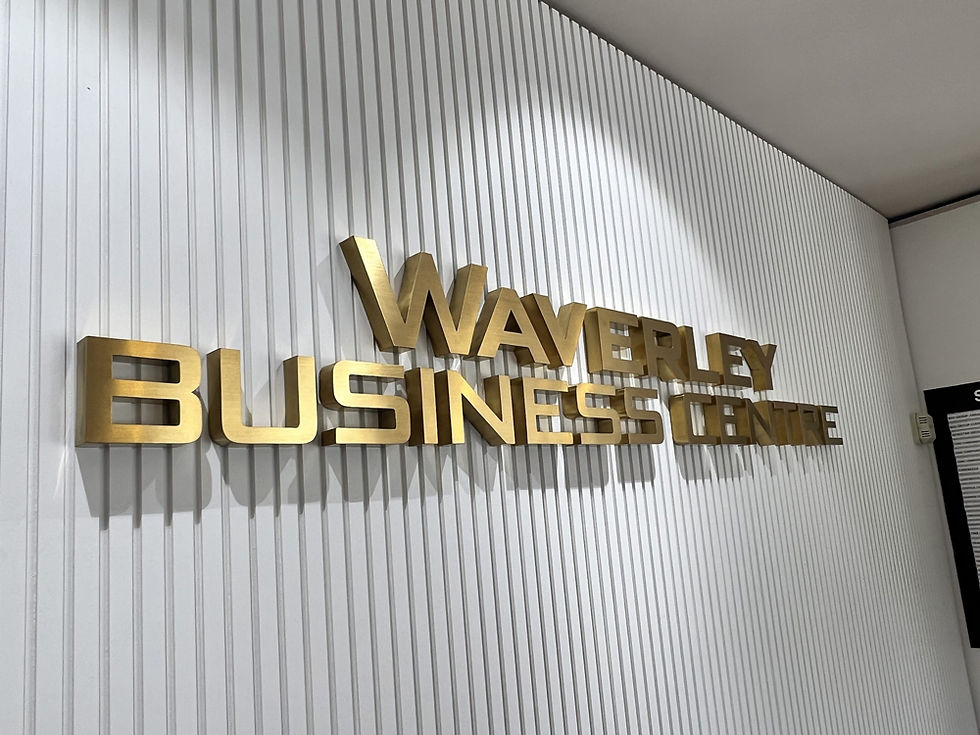
Apply tactile and accessible branding: raised lettering, Braille panels and high-contrast colour combinations meet accessibility standards while reinforcing identity. Coordinate materials and finishes with interior surfaces—brushed metal signs for a contemporary lobby; timber veneers for a boutique feel. For digital signs, use templated layouts with preset brand-safe margins, font sizes and animation limits to ensure consistency across screens. The Sign Company London can help you achieve cohesive branding across all hotel signs.
Placement, Compliance and Best Practices
Place hotel signs where guests will naturally look and where staff can update them quickly. Balance visibility, accessibility and legal requirements to reduce confusion and ensure safety.
Optimal Locations for Visibility
Position the main reception sign directly above or behind the desk at eye level for standing adults, typically 1.5–1.8 metres from floor to centre of text. Use consistent sightlines from the entry door, elevators and main corridors; place secondary directional hotel signs at decision points such as junctions and stairwell landings.
Choose high-contrast colours and a sans-serif typeface at least 70 mm tall for primary headings and 25 mm for secondary directions to remain legible from 4–6 metres. Illuminate signs with downlighting or backlighting where natural light is inconsistent. For multi-desk receptions, number desks and display live status indicators (e.g. “Available/Serving”) near each number.

Accessibility Standards
Follow local accessibility regulations and adopt WCAG principles for visual content: ensure a contrast ratio of at least 4.5:1 for text against background. Provide tactile cues—Braille and raised lettering—on the primary reception sign and on floor-level wayfinding within 1.5 metres of the entrance.
Mount directional hotel signs so the lower edge is no higher than 1.2 metres for seated users and avoid placing signs that project more than 100 mm into circulation routes between 0.9 and 2.2 metres high. Supply alternative formats: digital kiosks with screen-reader support and QR codes linking to plain-text directions for guests using assistive tech. The Sign Company London ensures your hotel signs meet all accessibility requirements.
For more inspiration, read our related blogs on Hotel Room Signs and Luxury Hotel Signage.
Legal and Safety Considerations
Comply with building and fire codes by locating hotel signs so they do not obscure emergency signage, fire alarms or exit routes. The Sign Company London recommends ensuring reflective or illuminated hotel signs, such as “Reception” markers, remain visible during power outages by connecting lighting to emergency circuits or using photoluminescent materials.
Keep hotel sign materials non-combustible where required and secure fixtures to resist 1.5 kN lateral loads in public areas. The Sign Company London advises maintaining documentation: retain installation certificates, accessibility audits and maintenance logs for inspection. Update hotel signs promptly to reflect changes in emergency procedures, operating hours or health-and-safety measures.


Comments