
Hotel Lobby Signs: Design, Compliance and Wayfinding Best Practice

You want hotel signs that guide guests, reinforce your brand and make a first impression that feels professional and welcoming. Choose clear, on-brand hotel signs that prioritise legibility and placement to improve guest flow and reflect your hotel's character. The Sign Company London recommends focusing on both function and style: wayfinding hotel signs, digital displays and decorative plaques each solve different needs while shaping perception. You can use materials, typography and lighting to match your brand without sacrificing clarity.
Key Takeaways
Effective hotel signs in the lobby improve guest navigation and first impressions.
Mix functional and branded hotel signs to meet practical and aesthetic goals.
Design choices like materials and typography should support visibility and brand identity.

Types of Signage in Hotel Lobbies
You will encounter hotel signs that guide movement, inform guests, and meet legal safety requirements. Expect a mix of static and digital hotel signs tuned to your hotel’s size, flow and brand identity.
Directional and Wayfinding Signs
Directional hotel signs help guests navigate from the entrance to the front desk, lifts, restrooms and meeting rooms. Use clear, high-contrast text (sans-serif fonts like Helvetica or Arial) and universal icons sized for legibility at typical viewing distances: 50–150 mm letter height for close-range hotel signs, larger for long corridors.
Place wayfinding hotel signs at decision points: entrances, stairwells, elevator banks and junctions. Combine overhead hotel signs, wall-mounted plaques and floor decals so guests receive repeated cues. Numbered room corridors and colour-coding for floors or wings reduce confusion in larger properties.
Material choices influence durability and style: acrylic or aluminium for modern lobbies, brass or timber for boutique hotels. The Sign Company London ensures ADA-equivalent requirements for tactile and Braille panels where applicable, and maintains consistent mounting heights (eye level ~1500 mm) and lighting to avoid glare.
Digital Displays and Interactive Screens
Digital hotel signs offer dynamic content: arrivals/departures, event schedules, promotions and wayfinding maps. Use screens near the reception and concierge desk for passenger flow, and touch kiosks for self check-in or local recommendations. Opt for 55–75 inch displays for group info and 22–32 inch touch screens for individual interactions.
Design content with a clear hierarchy: headlines, short bullets and strong visuals. Limit text to short phrases and rotate screens every 8–12 seconds to keep information fresh without overwhelming viewers. Integrate your property management system (PMS) to auto-populate room status and booking notifications.
Choose commercial-grade screens with anti-glare coatings and 24/7 operation ratings. The Sign Company London provides secure mounting, concealed cabling and remote content management so staff can update messages centrally. Include a fallback static hotel sign or printed board in case of network outages.

Safety and Regulatory Notices
Safety hotel signs must comply with local regulations and be prominently displayed near exits, lifts and assembly points. Post fire evacuation routes, emergency contact numbers and first-aid locations in durable, weather-resistant formats. Use red or high-visibility headers and concise instructions to speed comprehension.
Regulatory hotel signs include licence displays, food safety ratings and accessibility information. Keep these at eye level in the lobby or beside reception where inspectors and guests can readily spot them. Ensure hotel signs are laminated or in metal frames to prevent tampering and to withstand cleaning protocols.
Update safety hotel signs after renovations, policy changes or legislation updates. The Sign Company London recommends training staff to verify sign visibility and legibility during daily inspections and document checks to ensure ongoing compliance.
Design Considerations and Branding
Choose materials, finishes and typographic treatments that match your hotel’s market position and interior palette. Prioritise durability, maintenance and guest wayfinding to ensure hotel signs remain functional and aligned with your brand over time.
Material and Finish Selection
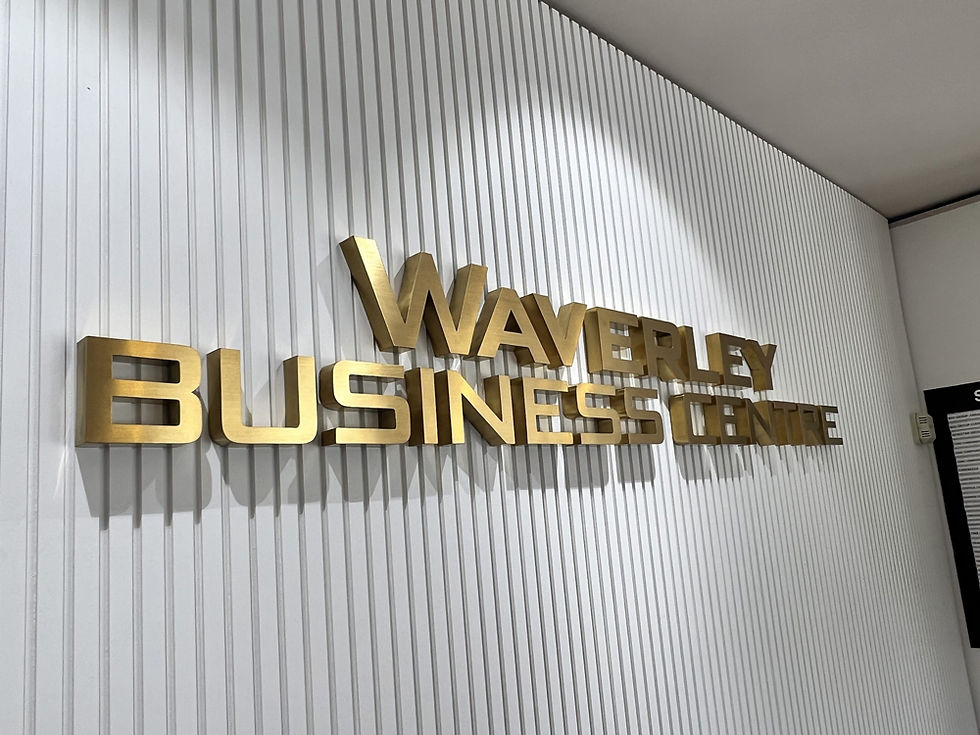
Select metals like brass or stainless steel for premium hotels; they offer longevity and a high-end appearance. Powder-coated aluminium or acrylic work well for midscale properties because they balance cost with a clean finish.
Consider finishes that resist fingerprints and corrosion in high-touch areas. Satin and brushed finishes hide surface marks; matt finishes reduce glare under strong lobby lighting. Apply clear protective lacquers in coastal locations to prevent salt corrosion.
Match substrate thickness to mounting method: 3–6 mm acrylic for routed letters, 1.5–3 mm aluminium for flat plaques, and 6–12 mm timber for routed or carved hotel signs. Use concealed fixings for a refined look or exposed bolt heads for an industrial aesthetic.
Incorporating Hotel Identity
Use consistent typefaces and colour values from your brand guidelines to reinforce recognition. Specify Pantone or CMYK/hex codes for paint and digital reproductions to maintain colour accuracy across manufacturing methods.
Integrate brand elements subtly: embossed logos on directional hotel signs, a signature pattern as a background texture, or custom iconography derived from your main mark. Keep primary brand marks on focal hotel signs (reception, concierge) and simplified logotypes on secondary wayfinding.
Coordinate hotel sign scale with space proportions. Large atriums need oversized hotel signs with higher letter stroke widths; boutique lobbies favour smaller, tactile hotel signs. The Sign Company London provides manufacturers with CAD drawings and material samples to ensure faithful reproduction.

For a complete signage system, explore our related blogs on Hotel Wayfinding Signs and Hotel Room Signs.
Accessibility and Legibility
Follow tactile and visual accessibility standards for hotel signs: raised characters at least 6 mm high with 2.5 mm stroke width and Grade 2 Braille aligned to characters. Position hotel signs between 900–1,500 mm above the floor for wheelchair users’ reach.
Maximise contrast between text and background on hotel signs; use non-reflective surfaces to avoid glare under LED downlights. The Sign Company London recommends choosing sans-serif or humanist typefaces with open counters and generous x-heights to aid peripheral reading and low-vision guests.
Ensure lighting supports legibility of hotel signs: uniform LED backlighting or halo illumination avoids hotspots. The Sign Company London suggests testing prototypes under your lobby’s actual light conditions and at typical viewing distances to confirm character clarity.


Comments