
Custom Metal Sign Design and Installation Guide

Custom metal signs transform your space and communicate your message with durability and style. You’ll learn how different metals, finishes and design choices affect appearance, longevity and cost so you can pick a sign that fits your needs and budget. A well-chosen custom metal sign delivers lasting impact, resists the elements and reflects your brand or personality clearly.
Think about where the sign will live, how it will be mounted and how much maintenance you want to commit to; those decisions shape every other choice. With the right material and finish, installation stays straightforward and upkeep stays minimal, giving you a standout sign without surprises.
Key Takeaways
Choose the right material and finish to balance look and durability.
Design and placement determine visibility and ease of installation.
Simple maintenance extends the sign’s life and preserves its appearance.
Materials and Finishes
Choose metals for strength, appearance and maintenance. Select coatings that match exposure, colour durability and texture needs. Consider corrosion resistance, reflectivity and how the finish affects legibility at different distances. The Sign Company UK recommends evaluating your environment and usage to choose the best metal signs custom to your needs.

Types of Metals
Steel: Mild steel is economical and weldable, but needs protective coating to resist rust. Galvanised steel offers zinc protection for outdoor signs; it’s heavier and better for structural pieces.
Stainless steel: Grades 304 and 316 are common. 304 suits most indoor and sheltered outdoor uses; 316 resists chloride corrosion for coastal locations. Polished, brushed or shot-blasted textures alter reflectivity and scratch visibility.
Aluminium: Lightweight and naturally corrosion-resistant. You can anodise, powder-coat or apply vinyl. Use 5052 or 6061 for good forming and strength; 6061 is stronger but more costly.
Copper and brass: Provide warm tones and patina over time. Copper develops verdigris if unsealed; lacquered finishes preserve the bright look. Brass offers a gold appearance but requires maintenance to prevent tarnish.
Coating Options
Powder coating: Electrostatic-applied polyester/epoxy powders cure to a durable, uniform finish. It resists chipping and UV fade; specify thickness (typically 60–100 µm) for high-wear areas. Choose powder formulated for exterior use in coastal climates.
Anodising (aluminium): Creates a hard, integrated oxide layer that improves scratch resistance and colour stability. It doesn’t peel like paint; select clear or colour-dyed anodic layers per specification.
Liquid paint: Alkyd or polyurethane paints allow fine colour matching and gradients. Use two-pack polyurethanes for superior chemical and UV resistance. Prepare metal with proper pretreatment and primer to ensure adhesion.
Clear lacquer and sealants: Acrylic or polyurethane lacquers protect metals like copper or brass from oxidation while retaining metallic sheen. Reapply maintenance coats as needed based on exposure.
Vinyl and digital overlays on metal signs custom: High-resolution prints on cast vinyl bond to metal for complex graphics. Use overlaminates rated for 5–10+ years depending on UV exposure.
Weather Resistance
Salt air and humidity: Use 316 stainless steel or adequately sealed aluminium in coastal areas. Avoid plain mild steel outdoors unless galvanised and painted; inspect for undercut corrosion at joints.
UV exposure: Choose UV-stable powders or two-pack polyurethanes to prevent colour shift and chalking. For printed graphics, select cast vinyl and UV overlaminates; expect reduced longevity in equatorial, high-UV locations.
Temperature swings and thermal expansion: Match fasteners and metal types to avoid galvanic corrosion and stress from differing expansion rates. Aluminium expands more than steel; allow for thermal movement in mounting design.
Water shedding and drainage: Design borders, mounting holes and edge treatments to prevent water traps. Seal welds and backside interfaces to limit moisture ingress and extend life.
Design Considerations
Choose materials, finishes and dimensions that match where the sign will live and the message it must convey. Think about mounting, weather exposure and legibility at the specific viewing distance you expect. The Sign Company UK offers expert advice for businesses and individuals looking to make the most of their metal signs custom options.
Customisation Choices
You decide the level of customisation: text-only, logo inclusion, cut-out shapes or full-colour photographic prints. For logos, supply a vector file (SVG, EPS, or AI); raster art must be at least 300 dpi at final size to avoid pixelation. Specify fonts by name and provide licence information if the font is not your own.
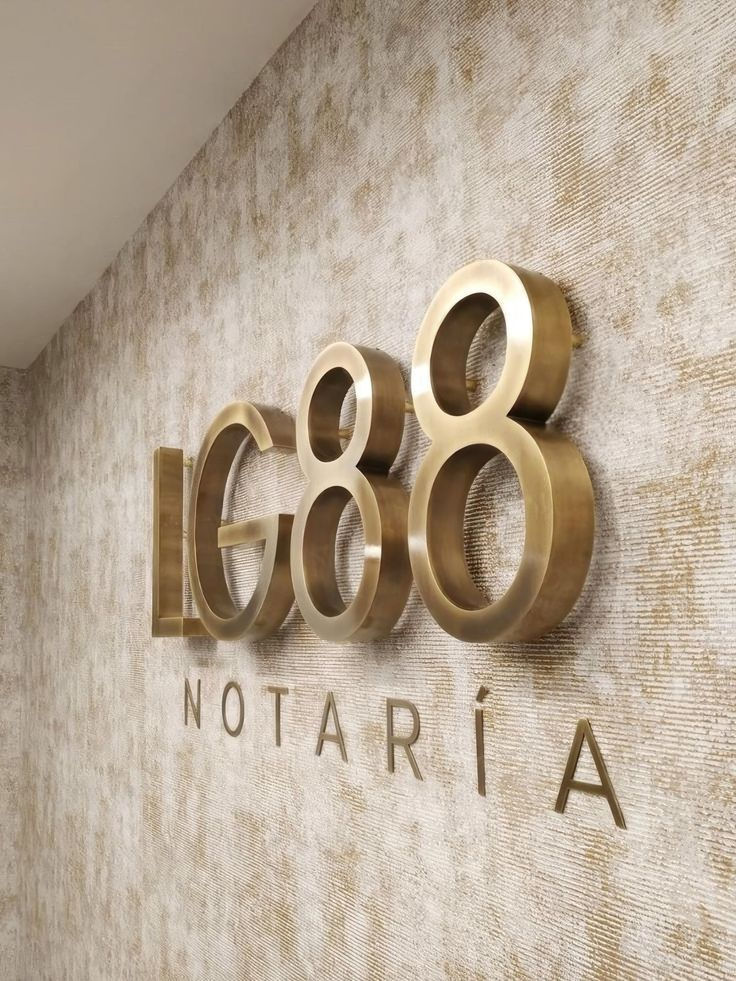
Finish options affect both look and durability. Powder-coating resists scratches and UV; brushed metal offers a contemporary sheen; anodised aluminium prevents corrosion. Consider mounting: flush-fix holes, stand-offs for shadow effects, or welded brackets for heavy or outdoor pieces.
Include production tolerances in your brief. CNC cut edges may have 0.5–1.0 mm variance; hand-formed shapes can vary more. If you need exact alignment between layers, request test proofs or a 1:1 mock-up.
Colour Selection
For your metal signs custom select colours using Pantone or CMYK values to ensure repeatability across metal substrates. Metallic paints reflect differently than matte ink; ask for printed swatches on the same metal and finish you’ll use.
Consider contrast for legibility: use high-luminance difference between text and background for signs read beyond 3 metres. For illuminated signs, choose translucent colours for backlit elements and opaque paints where you need light blocking.
Account for environmental fading. UV-stable pigments and clear-coat UV inhibitors extend life outdoors. If brand rules require a precise hue, specify a post-production colour measurement (Delta E tolerance).
Size and Shape Options
Determine viewing distance and field of vision before selecting size. As a rule of thumb, text height of 25 mm is readable at about 3 metres; scale text proportionally for greater distances. Outline the exact dimensions you need in millimetres and indicate weight limits if mounting to glass or drywall.
Shape affects production cost and fabrication method. Rectangles and circles cut on a guillotine or standard router are cheaper. Complex contours, 3D forms or filigree require laser cutting or waterjet and increase lead time and cost.
Provide mounting details: specify countersunk holes, hidden back plates, or VHB adhesive areas. If the sign will sit in high wind or above public pathways, include wind-load calculations or request heavier-gauge metal (e.g., 3 mm steel or 2 mm aluminium) and reinforced fixings.
Installation and Maintenance
Proper installation and regular upkeep extend the life of your metal sign and keep it looking professional. Focus on secure mounting, choosing the right location for indoor or outdoor use, and routine cleaning with appropriate products. The Sign Company UK provides guidance for installing metal signs custom designed for your space.

Mounting Methods
Use stainless-steel screws or bolts for permanent fixtures; choose 304 or 316 grade for coastal areas. Drill pilot holes into brick, timber or masonry and use wall plugs or anchors rated for the load. For hollow walls, use toggle or molly bolts sized to the sign’s weight.
For temporary displays, use heavy-duty double-sided outdoor tape (check adhesive temperature range) or removable VHB tape rated for metal-to-metal bonds. Cable ties through pre-drilled corner holes work for fence and mesh mounting. Consider threaded studs and welded backing plates for larger signs; welds should be sealed with rust-inhibiting primer.
If you mount to glass, use silicone adhesive designed for glazing and test a small area first. Always level the sign with a spirit level and use rubber washers to prevent metal-on-metal vibration and galvanic corrosion where dissimilar metals meet.
For more inspiration, explore our blogs “Metal Signs” and “Metal Signs UK” to discover a wider range of durable signage ideas and UK-based solutions.
Indoor vs Outdoor Placement
Place indoor signs away from direct heat sources like radiators or gas appliances to avoid paint discolouration and warping. In retail or office spaces, mount at eye level—typically 150–170 cm from floor to centre—for maximum visibility. For high-traffic areas, recess mounting screws and round off corners to prevent snagging.
Outdoor placement demands full consideration of wind load and sun exposure. Mount in shaded or north-facing positions where possible to reduce UV fading; use UV-stable powder coatings for better colour retention. Position signs at least 2–3 m above foot traffic near walkways to avoid vandalism and accidental impact.
Near coastal or industrial sites, choose marine-grade materials and sacrificial anodes if using steel. Ensure a minimum 5 mm clearance from concrete or soil to prevent moisture trapping and accelerate rust.
When you need metal signs custom made for your business or property, trust The Sign Company UK to deliver high-quality, durable solutions tailored to your requirements. From initial design to installation, The Sign Company UK ensures your metal signs custom fit your brand and environment.
Cleaning Best Practices
Use a soft, non-abrasive cloth and a mild detergent solution (pH-neutral) for routine cleaning of metal signs custom from The Sign Company UK. Rinse thoroughly with clean water and dry with a microfiber towel to prevent water spots. Avoid bleach, ammonia-based cleaners, and abrasive pads that can strip coatings or scratch metal signs custom.
For corrosion spots on metal signs custom, remove loose rust with a brass brush, then apply a rust converter and touch up with matching primer and paint. Use a silicone-free lubricant on moving brackets. For powder-coated or anodised finishes, test any solvent on an inconspicuous area first.
Create a maintenance schedule for your metal signs custom from The Sign Company UK: inspect monthly for fastener tightness and corrosion, clean quarterly for outdoor signs in exposed locations, and document repairs and coating touch-ups in a simple log for warranty compliance.


Comments