
Best Materials for an Outdoor Shop Sign: Aluminium, Acrylic, Metal and Timber Compared

Your shop sign is the first thing most customers see, and it has a tough job to do. It needs to catch the eye of passers-by, represent your brand clearly and stay looking sharp through rain, frost, wind, pollution and strong summer sun, often for many years. The material you choose has a bigger influence on all of this than almost any other decision. Pick the right one and your sign will look great for a decade or more. Pick the wrong one and you may be dealing with fading, peeling, warping or water damage within a couple of seasons. Whether you are weighing up aluminium, acrylic or timber, or planning to have your metal signs custom made, the right choice comes down to balancing appearance, durability, budget and the character of your building. At The Sign Company UK, we help retailers, restaurants, cafés, salons and service businesses across the UK make that choice every day. In this guide, we look at what to consider, compare the most popular materials and explain the finishing details that make a real difference.

What to Consider Before Choosing a Material
Before looking at individual materials, it helps to think about the conditions your sign will face. A fascia on a sheltered high street behaves very differently from one on an exposed seafront, a busy main road or a north-facing wall that rarely dries out. Coastal air, heavy traffic pollution and direct sunlight all affect how quickly materials age, so the location should shape your choice from the start.
Next, consider how long you want the sign to last. If you are running a pop-up shop or expect to rebrand within a year or two, a lower cost material may be perfectly sensible. If you are investing in a long-term location, it is usually worth spending more at the outset on something that will stay looking good for many years, rather than replacing a cheaper sign several times.
Your building and surroundings matter too. A modern glass shopfront suits clean, contemporary materials, while a period building or a shop in a conservation area may call for something more traditional. Many councils publish shopfront design guidance, and in some areas painted timber or restrained metal lettering is strongly preferred over large plastic panels or bright internally illuminated boxes.
Finally, think about budget and maintenance. Some materials need almost no attention, while others benefit from repainting or refreshing every few years. Weighing these factors together is the best way to find the right material for your business, and if you are planning to have your metal signs custom built, it will help you choose a metal and finish that suit your location rather than simply the cheapest or most eye-catching option.

The Best Materials Compared
Aluminium composite panel is one of the most widely used sign materials in the UK. It consists of two thin aluminium skins bonded to a lightweight core, creating a flat, rigid panel that resists weather well and will not rot or rust. It is typically finished with printed or cut vinyl graphics and offers excellent value, making it a popular choice for fascia panels, projecting signs and budget-conscious projects.
Folded aluminium tray signs take this a step further. A single sheet of aluminium is folded to create returns around the edges, giving the sign depth and a solid, premium appearance. Trays are usually spray painted or powder coated in brand colours, and letters can be applied as vinyl, fixed on as 3D letters or cut through the face and backed with acrylic so they glow when illuminated. For many shops, a tray sign offers the best balance of durability, appearance and cost.
Acrylic is extremely versatile. It can be laser cut into crisp letters and logos, layered for depth, painted or left in its own colour. It is often used for 3D lettering fixed onto a tray or directly onto the wall, and as the diffusing face in illuminated signs. Quality cast acrylic holds its colour well outdoors, although very large lightbox faces are sometimes made in polycarbonate instead, which is more resistant to impact.
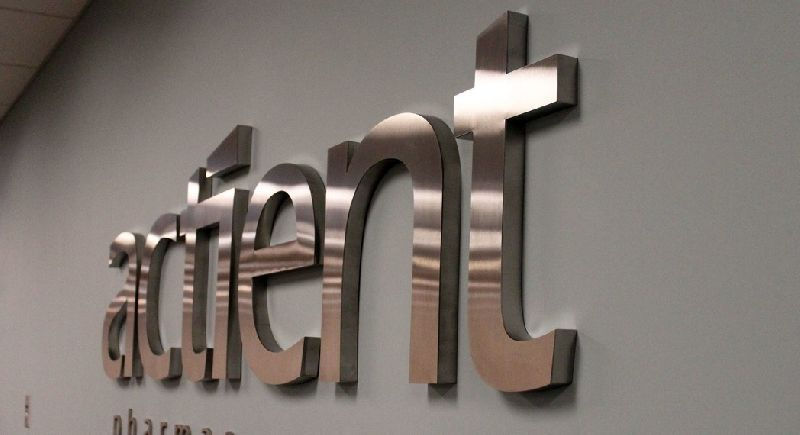
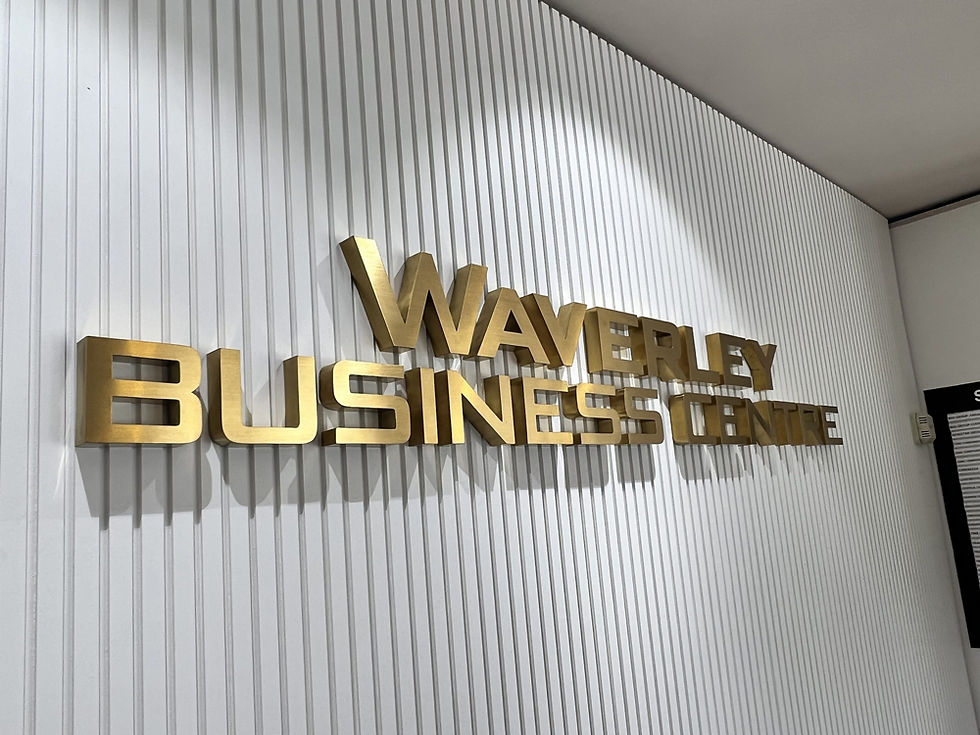
Metals such as stainless steel, brass and Corten steel bring a sense of quality and permanence. Stainless steel letters suit modern shopfronts and resist corrosion, brass gives a warm, classic look that works well for jewellers, boutiques and heritage buildings, and Corten steel develops a rich rusted finish that suits cafés, bars and independent businesses with a natural, rustic style. These materials cost more but can last for many years with minimal attention.
Timber remains a favourite for traditional shopfronts, particularly on period buildings and in conservation areas. A painted timber fascia with hand-painted or applied lettering has real charm and is often favoured by planning officers. Exterior-grade timber will last well if properly sealed and painted, but it does need occasional repainting to protect it from moisture.
Some materials are best avoided for long-term outdoor use. Foamex and other PVC foam boards are inexpensive and easy to work with, but they can warp, discolour and become brittle in direct sunlight, so they are better suited to temporary or indoor signs. In most cases, the strongest shopfront signage combines materials, such as a powder coated aluminium tray with acrylic lettering, or you can have your metal signs custom fabricated with stainless steel or brass letters fixed to an aluminium tray to get the benefits of each.
For more signage inspiration, explore our blogs “Custom Metal Street Sign” and “Metal Signs Custom UK” for practical ideas and expert guidance.
Finishes, Illumination and Getting the Details Right
Once you have chosen your main material, the finish plays a big part in how long it lasts. Powder coating gives aluminium and steel a tough, even finish that resists chipping and fading. For vinyl graphics, cast vinyl is generally more durable and conforms better to shapes than cheaper calendared vinyl, so it is worth checking which is being used. Protective laminates can be added to printed graphics to guard against UV and scratches.
Illumination is another key decision, especially for businesses that trade into the evening. LED lighting is now the standard, using far less energy than older fluorescent tubes and lasting much longer. Options include face-lit letters that glow from the front, halo-lit letters that cast light onto the wall behind, trough lights or spotlights for traditional fascias, and lightboxes for larger panels. Illuminated signs usually need advertisement consent from the local council, so this should be checked early.
Fixings and construction are just as important as the visible materials. Stainless steel fixings prevent rust streaks from running down your fascia, sealed joints keep water out of illuminated signs, and a properly prepared fixing surface ensures the sign stays secure and level. A sign that looks perfect on the day it goes up can deteriorate quickly if water finds its way in or the fixings corrode.
Maintenance should be part of the plan too. An occasional clean keeps most signs looking fresh, and a quick inspection every year or so will catch loose fixings, damaged seals or faulty lighting before they become bigger problems. Working with The Sign Company UK to have your metal signs custom specified, alongside any aluminium, acrylic or timber elements, means the right combination of materials, finishes and lighting is chosen for your building, your location and your budget, so your sign continues to represent your business well for years to come.


Comments