
Brass Signs for Doors: Stylish, Durable Door Nameplates and Room Identification
- The Sign Company UK

- Jan 24
- 5 min read
Brass signs for doors give your space instant personality and professional polish, whether you want classic warmth or a sleek modern look. You can choose from engraved, cast, or plate-style brass signs to match your aesthetic and budget, and they last for years with simple care. This choice elevates first impressions and helps visitors find the right place quickly. The Sign Company offers a wide selection of brass signs for doors, catering to various styles and preferences.
You’ll learn how different finishes, fonts and mounting options change the tone of your entryway and which styles suit homes, offices or hospitality settings. Practical tips on sizing, positioning and low-effort maintenance make selecting and installing brass door signs straightforward and rewarding.
Key Takeaways
Choose the brass style and finish that suits your space and budget.
Match size and mounting to door type for clear, professional signage.
Regular gentle cleaning preserves appearance and extends lifespan.

Types of Brass Signs for Doors
Brass door signs vary by production method, finish and suitability for indoor or outdoor use. Choose the type that matches your visibility needs, mounting method and maintenance tolerance. The Sign Company provides expert advice on selecting the right brass signs for doors for your requirements.
Engraved Brass Door Signs
Engraved brass signs cut text or graphics into the brass surface using CNC routing, laser engraving or hand tooling. You get crisp, permanent lettering that resists wear; filled engraving (with enamel or lacquer) increases contrast and legibility, especially from a distance.
Engraving depth and font choice affect durability and readability. Deeper cuts survive repainting or heavy cleaning better, while simple sans‑serif fonts remain readable at small sizes.
Typical uses include office names, room numbers and accessibility plaques. Mounting options include screw posts, adhesive pads or recessing into door panels for a flush appearance.
Customisable Brass Nameplates
Customisable brass signs allow personalised content such as names, titles, logos and icons. You can order fixed text produced to your specification or choose variable plates that accept adhesive letters or interchangeable inserts.
Material thickness, corner style and hole placement determine how the plate looks and fits. Standard sizes range from 50×25 mm for small labels to 200×100 mm for reception signs; you can request bespoke dimensions for irregular doors.
If you need multiple identical brass signs, ask about batching to ensure consistent finish and engraving depth. For frequent staff changes consider snap‑in frames or clip systems to swap inserts without remaking the metal plate.
Polished Versus Brushed Finishes
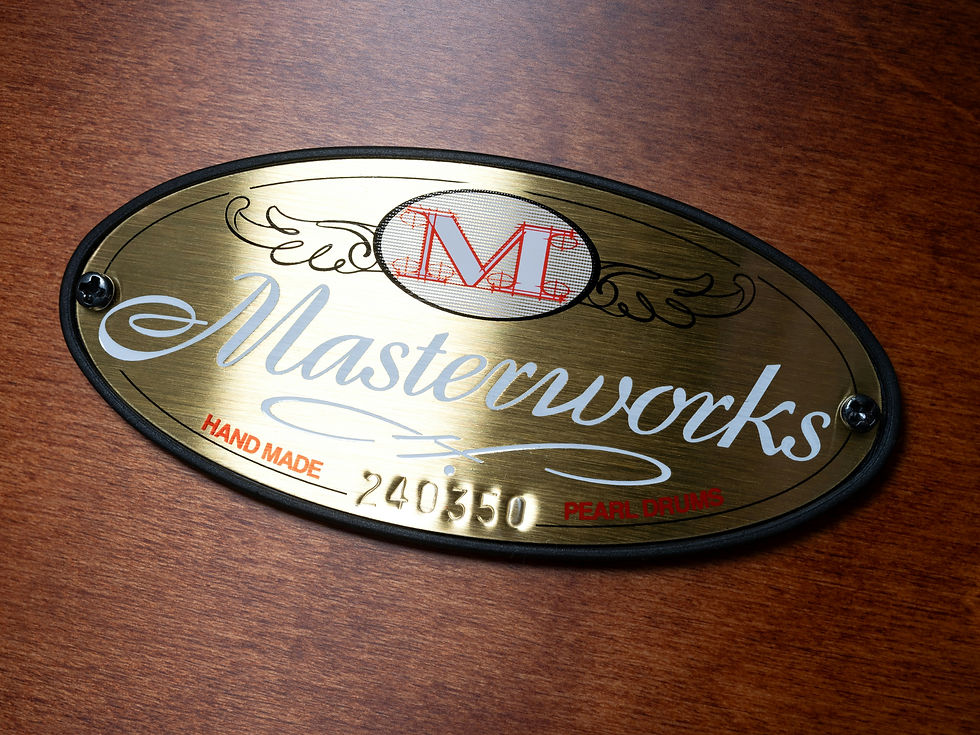
A polished brass finish offers high reflectivity and a bright, gold‑like appearance that suits traditional or high‑end interiors. It shows fingerprints and surface scratches more readily, so you should plan for regular polishing or lacquer protection.
Brushed (satin) finishes produce fine directional lines that reduce glare and conceal minor abrasions. They provide better everyday legibility under varied lighting and require less maintenance than polished brass.
You can combine finishes: polished raised lettering on a brushed background, or vice versa, to increase contrast. Protective clear lacquer or powder coating will slow oxidation but will slightly alter the sheen.
Indoor and Outdoor Door Signs
Indoor brass signs face moderate humidity, frequent touching and cleaning agents. Choose lacquered or sealed brass for areas with cleaning chemicals; unsealed solid brass will tarnish and require polishing. Mount with concealed fixings for secure, vandal‑resistant installation in public buildings.
Outdoor brass signs must resist rain, UV and temperature swings; use thicker gauge brass, marine‑grade fixings and UV‑stable enamel fills. Consider stainless steel backing or isolation washers to prevent galvanic corrosion between brass and other metals.
For exposed entrances, specify anti‑tarnish treatments and drainage‑friendly mounting to avoid water pooling behind the plate. Regular inspection intervals will preserve appearance and legibility over time.
Installation and Maintenance of Brass Door Signs
You will learn practical mounting options, cleaning steps for polished and lacquered finishes, and ways to protect brass from weather and wear. The Sign Company recommends the right tools, fasteners, cleaning agents, and routine checks so you can keep brass signs secure and attractive.

Mounting Methods and Tips
Choose a mounting method based on sign weight and door material. For lightweight (under 500 g) brass signs on solid timber, use self-tapping brass screws (2–3 mm diameter) and pilot holes 1.5–2 mm smaller than the screw shank. For heavier plaques, fit brass or stainless-steel through-bolts with matching countersunk holes and nylon washers to prevent vibration.
For glass or aluminium doors, use adhesive mounting with a high-strength acrylic tape (3M VHB) or structural silicone. Ensure both surfaces are clean—use isopropyl alcohol—and apply pressure for the manufacturer’s recommended dwell time.
If you want a flush finish, use concealed stand-offs or a french-cleat bracket. Measure and mark positions with a spirit level and a centre punch for accuracy. Seal screw heads with clear lacquer or brass caps to prevent corrosion in coastal locations.
Cleaning Brass Door Signs
Determine if your brass signs are lacquered or unlacquered before cleaning. Lacquered brass needs only mild soap and water; avoid abrasives and solvents that will strip the lacquer. Use a soft microfiber cloth, warm water and a pH-neutral detergent, then dry immediately to prevent water spots.
For unlacquered brass signs that have developed patina, use a commercial brass cleaner (follow product instructions) or a paste of baking soda and lemon juice applied gently with a soft cloth. Rinse thoroughly and buff dry. Test cleaners on an inconspicuous area first to confirm no adverse reaction.
For engraved or recessed lettering, clean with a soft-bristled brush to remove grime from crevices. Never use steel wool or harsh pads; they scratch and accelerate tarnish. Apply a thin coat of microcrystalline wax if you want to delay re-tarnishing.
Brass signs for doors from The Sign Company combine style, durability, and practicality for any setting. With the right care and installation, your brass signs will maintain their appeal and function for years to come.
For related inspiration, explore our guides on Exterior Brass Signs and vintage brass signs.
Longevity and Weather Resistance
Lacquering significantly extends the outdoor life of brass signs by blocking moisture and pollutants. If your brass signs will face rain or sea spray, buy factory-lacquered options or have a professional clear coat applied. Expect lacquer to need reapplication every 3–7 years depending on exposure.
For coastal or industrial environments, The sign company recommends fitting stainless-steel fixings and choosing thicker gauge brass (≥1.5 mm) for your brass signs to resist warping. Regularly inspect mounting points for corrosion, loose screws, or lifting adhesive and tighten or replace as needed. A simple maintenance schedule—cleaning twice yearly and checking fixings quarterly—keeps brass signs functional and prevents costly repairs.
If you prefer natural ageing, accept faster patination and plan for more frequent cleaning to control streaking. The sign company suggests storing spare screws and a small care kit (microfibre cloth, mild detergent, brass cleaner) near the door for on-the-spot maintenance of your brass signs.


Comments