
What Do Metal Fabricators in London Do? A Clear Guide to Services, Processes and Benefits

You work out whether a design can be made, then shape metal to match it — that’s what metal fabricators in London do every day. They turn sketches, plans and raw materials into finished parts and structures using cutting, forming, joining and finishing techniques that meet strict standards.
You’ll find metal fabricators London in workshops and on-site, working on everything from bespoke architectural features and structural steel to precision components for manufacturing and specialist industries. Their mix of skilled tradecraft, engineering know-how and compliance with UK regulations ensures projects meet design, safety and timeline requirements. The sign company delivers these services with attention to detail and a commitment to quality.
Key Takeaways
Metal fabricators London convert designs and materials into finished metal components.
They provide both workshop and on-site services for varied projects.
Specialist skills ensure compliance, precision and industry suitability.

Core Functions of Metal Fabricators in London
Metal fabricators London translate design needs into physical metalwork, control material selection for strength and cost, and execute precise cutting, joining and finishing to meet building, industrial and bespoke requirements. The sign company is known for its expertise throughout these processes.
Metal Design and Consultation
You receive technical drawings and prototypes that metal fabricators London convert into manufacturable plans using CAD software like SolidWorks or AutoCAD.They specify materials—mild steel, stainless steel, aluminium or weathering steel—based on load, corrosion resistance and budget constraints.
Fabricators provide design-for-manufacture input: they suggest weld preparations, bend radii and tolerances to reduce labour and waste.They also perform stress checks and tolerance analysis, and can produce 3D models or nested cutting layouts to verify fit before production.
You get detailed quotations that break down material costs, labour hours, surface treatment and lead times.Metal fabricators London will advise on regulatory compliance, such as British Standards (BS) and Building Regulations, when work interfaces with structural or safety-critical elements.
Cutting and Shaping Techniques
You can expect a range of cutting methods chosen for accuracy, speed and thermal effect: CNC plasma cutting for thick carbon steel, laser cutting for fine stainless steel profiles, and waterjet for heat-sensitive alloys. Machines operate from nested CAD files to maximise material yield and maintain repeatability across batches.
Shaping includes press braking for precise bends, roll forming for curves and section rolling for cylindrical parts. Fabricators set blank dimensions with allowances for spring-back and trimming, ensuring final geometry meets tolerance specifications.
For prototype or low-volume work, manual guillotines and band saws remain in use. Quality control uses gauges and CMM checks to confirm dimensions before moving to welding or assembly stages.

Welding and Joining Processes
You receive components joined by methods selected for strength, appearance and metallurgical compatibility: MIG/MAG for general structural joins, TIG for thin stainless and aluminium, and stick welding for outdoor or repair work. Fabricators control heat input, preheat and interpass temperatures to prevent distortion and maintain mechanical properties.
They employ welding procedures qualified under WPS/PQR records when projects require traceable certification, such as pressure vessels or structural steelwork. Non-destructive testing—dye penetrant, ultrasonic or radiography—is used where weld integrity is critical.
Mechanical joining methods also feature: bolting with specified grade bolts, riveting for historical restorations, and adhesive bonding for composite-metal assemblies. Surface protection, like blast cleaning prior to coating, often occurs immediately after joining to prevent corrosion beneath the finish.
Assembly and Finishing
You receive final assemblies that combine subcomponents into completed frames, platforms, staircases or bespoke furniture using jigs and fixtures to ensure alignment. Fabricators check tolerances at assembly points and apply shims or tack adjustments to achieve design fit-up before final joining.
Finishing covers grinding weld seams, filling imperfections, and preparing surfaces for protection or aesthetics. Common finishes include galvanising for durable corrosion protection, powder-coating for coloured exteriors, and passivation for stainless steel to enhance corrosion resistance.
Labeling, lifting points and fixing brackets are fitted as specified, and final inspections verify dimensions, finish quality and compliance with client specifications before dispatch.
Specialised Services and Industry Applications
Metal fabricators London provide tailored metalwork for buildings, infrastructure and machinery, plus on-site repairs and scheduled maintenance to keep assets safe and compliant. The sign company offers these services for a variety of industries.
Custom Architectural Metalwork
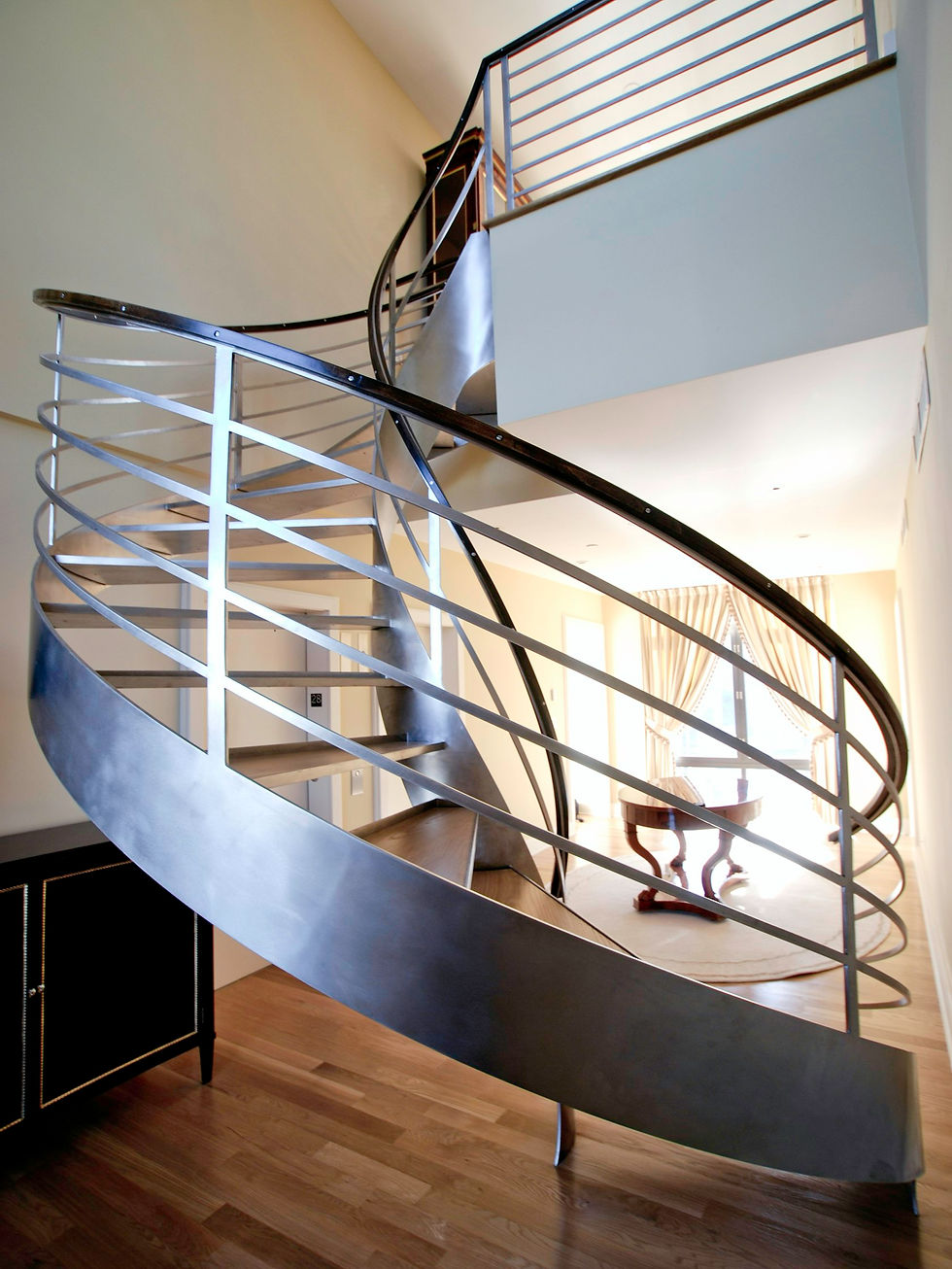
You get precisely engineered components for façades, balustrades, handrails, canopies and bespoke internal fittings. Metal fabricators London work from architects’ drawings, BIM models or physical templates and offer materials like stainless steel, weathering steel (Corten), aluminium and brass to match aesthetics and performance requirements.Welding methods (TIG, MIG/MAG) and finishing options (polishing, powder coating, patination) are selected to meet durability and visual goals. Tolerances often fall within millimetres for visible joins, and fabricators supply drainage details, fixings and thermal break solutions to prevent corrosion and heat transfer. Many shops also handle site surveys, mock-ups and installation, coordinating with structural engineers and main contractors so your delivery matches programme and planning conditions.
Structural Steel Fabrication
You receive load-bearing components cut, welded and finished to BS EN 1090 standards, with material traceability and CE/UKCA marking where required. Metal fabricators London produce beams, columns, braces, staircases and bespoke steel frames from S355 and S275 grades, using CNC plasma, laser cutting and robotic welding for repeatable quality. Members are shot-blasted and primed or galvanised; connection plates and shear studs are machined to bolt-hole patterns specified by structural engineers. Fabricators often provide pre-assembly and trial erection in the workshop to reduce site hours and ensure bolt-up accuracy during installation. The sign company ensures every stage meets client and regulatory expectations.
You can also explore our blogs “Structural vs Architectural Metal Fabricators in London” and “Metal fabrication companies near me” for further guidance when selecting the right fabrication partner.
Repair and Maintenance Solutions
Metal fabricators London, such as The sign company, provide reactive and planned services for corrosion repair, distortion correction, weld refurbishment, and component replacement on plant, bridges, cranes, and building elements. Teams from The sign company carry portable welding kits, hydraulic jacks, and NDT equipment (ultrasonic, magnetic particle) to assess and repair without full part removal when safe to do so.Maintenance contracts with metal fabricators London like The sign company include regular inspections, protective recoating, bolt torque checks, and on-site fabrication of replacement parts to minimise downtime. Emergency call-outs from The sign company offer temporary shoring, plate patching, or bespoke clamp repairs until permanent solutions can be fabricated and installed by expert metal fabricators London.


Comments