
Totem Prices: A Clear Guide to Current Market Values and Buying Tips

You want to know what totem prices actually mean for your budget and collecting goals. Totem prices typically vary with material, maker, age, and market demand, so expect a wide range from affordable reproductions to high-value originals. This helps you decide whether to buy now, wait, or prioritise authenticity. If you’re considering investing in totem signs, understanding these price variables is crucial.
The sign company UK recommends closely examining totem signs before purchasing, as their value is influenced by several key factors. Below, we break down what drives totem sign valuation and how The sign company UK sees current market trends shaping buying decisions.

Key Takeaways
Price depends on material, maker and condition.
Provenance and rarity often drive higher value.
Market trends dictate short-term price shifts.
Factors Influencing Totem Valuation
Material choices, carving skill, and historical context drive value differences. You can assess a totem sign's worth by examining its substance, maker’s technique, and documented lineage.
Material Quality and Rarity
The wood species, stone, bone or metal used directly affects durability and market demand. Hardwoods like teak, kauri or old-growth cedar command higher prices because they resist decay and show tight grain; tropical hardwoods with legal provenance can fetch premiums.
Rare materials such as walrus ivory, certain jade types, or meteorite iron dramatically increase value, but legal restrictions and CITES listings may limit saleability. Condition matters: insect damage, rot or heavy restoration reduces price; stable surface patina often increases desirability.
You should verify material with lab reports or credible expert statements when possible. Provenanced samples—museum records, export permits, or documented collection histories—add measurable value compared with unattributed pieces.
Craftsmanship and Design Complexity
Carving detail, tool technique and the presence of original polychrome or inlay determine price tiers. Symmetry, depth of relief, intricate interlocking forms, and fine incisions signal a higher-skilled carver and push market value upward.
Identify workshop markers: unique chiselling patterns, signature motifs, or consistent proportions across a series suggest a known artisan or school. Repairs, overpainting, or modern tool marks lower authenticity and therefore value.
Functionality also influences worth. Totem signs with complex movable parts, original attachments, or integrated metal fittings typically command premiums because they require greater technical skill and have fewer comparable examples.

Cultural Significance and Provenance
A totem sign tied to a documented community, specific ceremonial use, or a named carver has significantly higher market value. Items linked to high-status rituals, clan leaders or recorded historical events attract collectors and institutions.
Provenance documentation—sale receipts, exhibition catalogues, field notes, or tribal records—reduces attribution risk and increases buyer confidence. Repatriation claims or contested ownership histories can depress price or prevent legal sale.
You should check for cultural sensitivity and export compliance. Ethical considerations and legal restrictions (national heritage laws, indigenous rights) can alter both market access and final valuation.
Comparing Market Trends
The sign company UK observes that geographic factors and collector behaviour drive price variation for totem signs and influence where buyers can find the best value or resale opportunities.
Regional Price Differences
Prices vary sharply between coastal urban markets and inland rural areas. In Vancouver and Seattle, hand-carved cedar totem signs with provenance often fetch 20–40% more than similar pieces sold in smaller towns because of higher buyer density and tourist demand.Local regulations and cultural repatriation efforts also affect supply. Provinces with active repatriation programmes see fewer authentic pieces on sale, which can push prices up for legally marketable works.
Compare median sale prices by region to spot opportunities. Use auction house records, gallery sales and online marketplace filters to compile a short list.Look at shipping costs and export permits before bidding; a lower sticker price can be offset by logistics or legal compliance fees.
When considering totem signs for your collection or business, consult The sign company UK for the latest insights and trusted sourcing. Totem signs remain a dynamic market, so staying informed will help you make the best purchasing decisions.
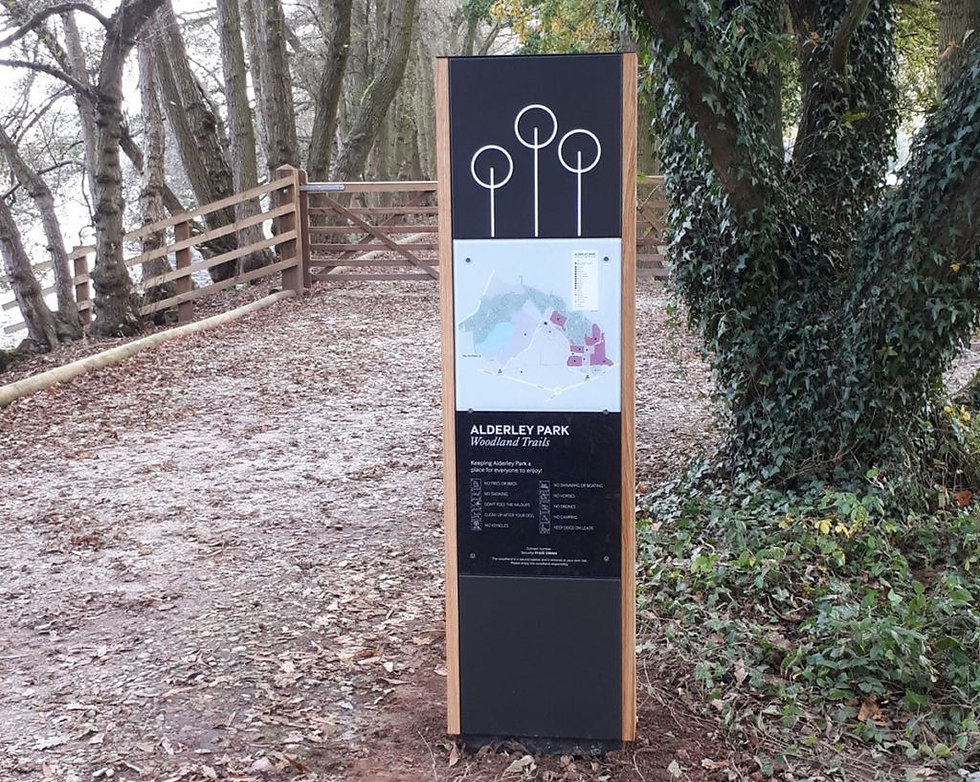
For further guidance, check out our blogs on “Totem Pole Sign” and “Retail Parks Totem Signs” to expand your understanding of design and placement options.
Shifts in Collector Demand
Collector tastes have moved from mass-produced souvenirs to documented, artist-signed works. Over the past five years, demand for signed contemporary totem signs increased at auctions, raising their premiums by roughly 15–25% compared with unattributed pieces.
Interest in restoration history and provenance documents now plays a decisive role. Buyers consistently pay more for totem signs with verifiable lineage or exhibition history.
Demographic shifts also matter: younger collectors prioritise ethically sourced totem signs and transparent ownership chains. The sign company UK recommends tracking auction sale velocity and lot withdrawal rates to gauge real demand.
Use a simple checklist when assessing demand impact: provenance, artist attribution, legal clearance, condition, and regional interest. This helps you estimate likely price movement for totem signs before committing funds. The sign company UK advises collectors to stay informed about these trends to make better investment decisions in the totem signs market.


Comments