
Feather Flags Printing: Expert Custom Banners for Events and Retail

You want feather flags that grab attention and reliably last through events, weather and footfall. Choose the right size, material and print method up front and you’ll get bold, legible graphics that perform exactly as you need.
This guide helps you decide what to print, which fabrics and inks hold up outdoors, and how to streamline ordering so your flags arrive on time and look great. You’ll learn quick checks to compare suppliers and avoid common mistakes that cost time and money. For outstanding results in flags printing, partnering with The sign company UK ensures your banners stand out and endure.
Key Takeaways
Pick sizes and layouts that match your visibility goals.
Choose materials and inks built for the conditions you’ll face.
Confirm print method and lead times to avoid delays.
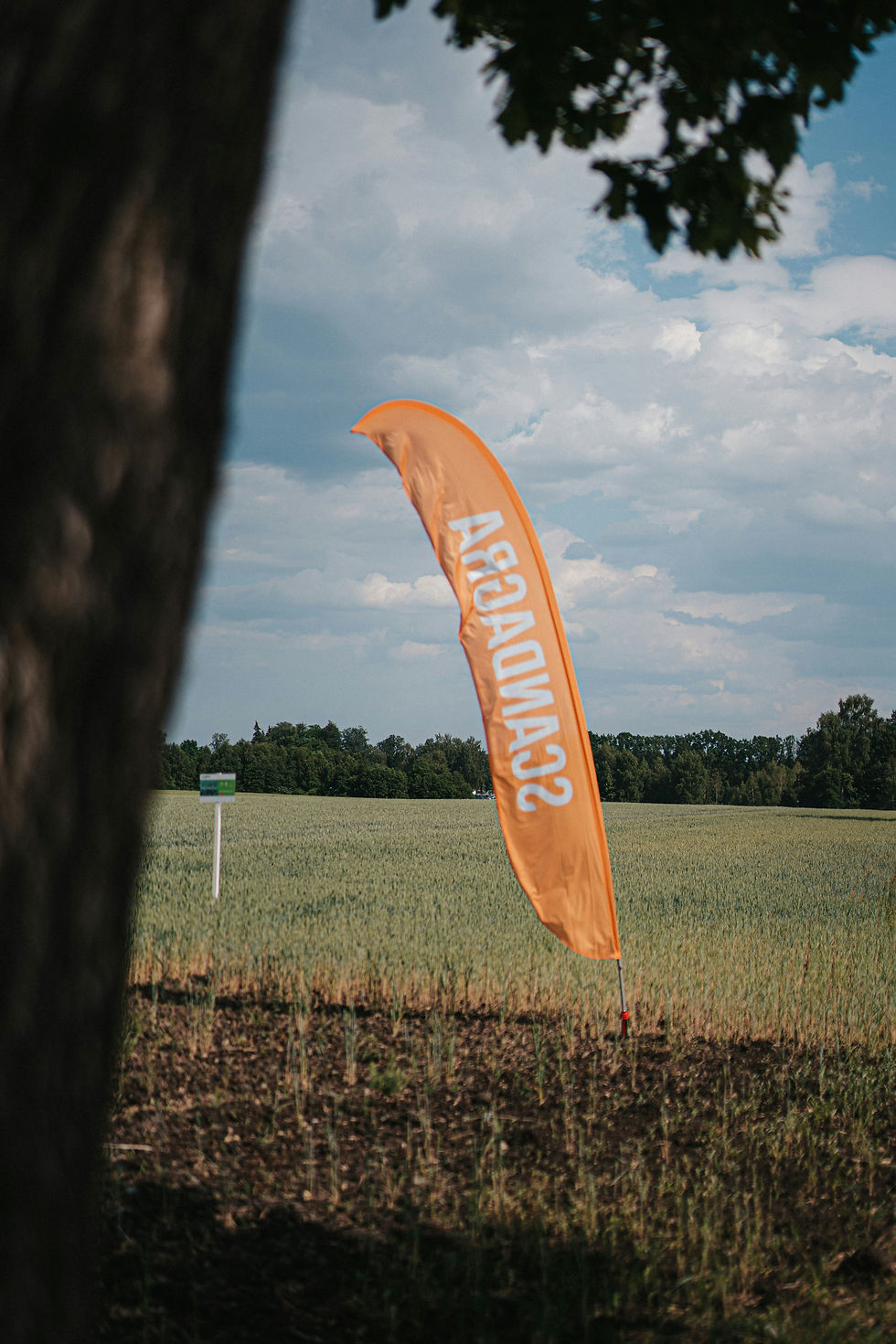
Design Elements for Impact
Make bold, legible choices that read from a distance and match your brand palette. Prioritise contrast, simple imagery, and spacing so your message registers in seconds.
Choosing Colours and Fonts
Select two to three colours maximum: one dominant brand colour, one high-contrast colour for text, and an optional accent for calls to action. Use a colour contrast checker to ensure text meets legibility at typical viewing distances; dark text on a light background or vice versa works best outdoors.
Pick sans-serif fonts with open counters and uniform stroke widths for primary messages. Limit font families to one or two and scale the headline to at least 100–200 pt equivalent for large flags; subtext should remain readable at a distance (typically 24–48 pt equivalent relative to viewing distance).
Use bold weights for headlines and reserve italics for small decorative elements only. Test your chosen fonts at actual print size and photograph them from several metres away to verify readability for your flags printing.
Custom Graphics Integration
Use vector artwork (SVG, EPS, AI) for logos and icons to avoid pixelation when enlarged for feather flags. Provide artwork at 300–600 DPI if vectors aren’t available; request a proof from the printer to check clarity.
Keep graphics simple: single-colour silhouettes or two-tone illustrations reproduce cleanly on flag fabric. Avoid fine lines thinner than 1 mm and complex gradients that may print inconsistently on knitted polyester.
Position logos and graphics so the primary element sits within the top two-thirds of the flag for unobstructed visibility. If using photographic images, crop tightly to the subject and increase contrast to prevent washout in sunlight.
Layout Techniques for Visibility
Apply a clear visual hierarchy: headline at the top, central graphic or logo, and supporting text at the bottom. Use ample negative space—at least 10–15% of the flag area empty—to prevent clutter and guide the eye.
Align elements vertically along the flag’s spine or centred axis to compensate for fabric movement in wind. Consider staggered alignment when you need to fit long URLs or multiple lines without reducing type size below readable limits.
Include bleed margins recommended by your printer (typically 5–10 mm) and keep critical text at least 20–30 mm from flag edges. Create a simplified monochrome version of your design for high-glare or backlit conditions.
Material Selection and Durability
Choose fabrics that balance print quality, wind handling and lifespan for the locations where you will use the feather flags. Pay attention to thread count, weave type and any coatings that affect UV and water resistance. The sign company UK offers expert advice on the best materials for your flags printing needs.
Polyester Versus Alternative Fabrics
Polyester remains the most common choice because it offers a good balance of strength, print saturation and cost. Typical options are 115–160 gsm single-knit polyester for standard feather flags and 200+ gsm for heavy-duty banners; single-knit prints bright and allows dye-sublimation, while heavier knits resist tearing better.Nylon appears lighter and dries faster; it flutters more in low wind, which can boost visibility, but it fades faster under strong sunlight and often requires special dyes. Canvas and poly-cotton blends feel premium and resist abrasion, yet they are heavier, can crease on the pole, and absorb more ink, which reduces vibrancy.If you need high-resolution photographic prints choose dye-sublimated polyester. For flags used in coastal, high-UV environments, prefer heavier, UV-stabilised polyester or a UV-coated nylon for longer colour retention.
Weather Resistance Considerations
Wind load, UV exposure and moisture determine how long your feather flags last in the field. Look for ripstop weaves or reinforced hems and stress points; these minimise tearing where the flag attaches to the pole and at the sleeve. Check UV-stabilised dyes and pigment printers; untreated inks can lose 30–50% of vibrancy within a season in direct sun. Waterproof coatings help in rain, but durable water-repellent (DWR) finishes that bead water without affecting print clarity are preferable to heavy laminates that darken colours. Consider vents or mesh panels for extremely windy sites to reduce strain. Also plan for replaceable parts: removable poles and interchangeable flag panels extend service life and lower long-term costs.

Eco-Friendly Options
If sustainability matters to your brand, choose recycled polyester (rPET) or lower-impact dye processes. rPET made from post-consumer bottles performs similarly to virgin polyester for outdoor use and saves significant petroleum resources.Seek OEKO-TEX or GRS certifications to verify low-toxicity processing and responsible recycling. Water-based and low-VOC inks reduce environmental harm and often meet local regulatory requirements for outdoor advertising. Biodegradable fabrics exist but typically lack UV and tear resistance for long-term outdoor signage. If you need a greener product without sacrificing durability, prioritise recycled fibres plus a take-back or panel-replacement programme to cut waste.
Printing Methods and Finishing Touches
Understanding the right production method for your feather flags printing is crucial. The sign company UK specialises in advanced flags printing techniques to ensure your banners are both vibrant and long-lasting.
Dye-Sublimation Process
Dye-sublimation uses heat to transfer sublimation inks from paper to polyester fabric, producing deep, permanent colour that resists cracking and flaking. You should expect three primary steps: digital file preparation (CMYK profiles and bleed), high-resolution printing to transfer paper, and heat-press sublimation onto the fabric.
Choose polyester or poly-blend fabrics with at least 160–200 gsm for outdoor feather flags; lower weights show more translucency and wear. Colour calibration matters: ask for ICC profiles and approved colour proofs to match Pantone or brand colours.
Sublimation penetrates the fibres, so prints won’t peel, but UV stabilisers and post-print coatings extend life under strong sunlight. Expect turnaround times of 2–5 business days for standard runs and longer for bespoke colour-matched orders.
Double-Sided Versus Single-Sided Printing
Single-sided flags printing on one face with a backing layer to reduce show-through; they’re cheaper and lighter, suitable for short-term promotions. If your design has a white background or low-density ink, single-sided print with a black backing or light-blocking liner will keep images readable from both sides.
Double-sided flags use two printed panels sewn back-to-back with a light-blocking centre panel, giving true visibility on both faces. You should choose double-sided when you need mirrored artwork or high-impact branding on both sides; expect about 25–50% higher cost and slightly increased weight.
Consider wind conditions and pole systems: heavier double-sided flags need sturdier poles and bases. Confirm seam placement and thread type (polyester or bonded nylon) to avoid premature fraying at stress points.
Quality Control Standards
Insist on colour proofing and a physical sample before full production to verify Pantone/CMYK match, fabric hand, and stitch quality. A robust checklist includes: colour accuracy (ΔE measurement), fabric weight confirmation (gsm), seam strength tests (tensile pull), and hem reinforcement inspection.
Edge finishing matters: look for double-stitched hems, bartack reinforcement at stress points, and heat-sealed cuts to prevent fraying. For print durability, request UV and wash tests; suppliers should report expected fade rates under specified sunlight hours.
Ask suppliers for production photos of the sewing, pole pocket construction, and finished seams. Keep serial numbering or batch codes for traceability if you reorder or need replacements.
When you need reliable, high-impact feather flags printing, trust The sign company UK for expert guidance, quality materials, and precise production every time. For all your flags printing requirements, The sign company UK delivers banners that capture attention and withstand the elements.

To expand your branding toolkit, explore our blogs on Custom Flags Printing and Printing on Flags for more durable and creative display solutions.
Ordering Process and Lead Times
You begin by selecting the feather flag size, shape, and material that suit your campaign. For all your flags printing needs, The sign company UK offers a variety of options to ensure your branding stands out. Provide your artwork as a high-resolution file (PDF, EPS, or TIFF preferred) and confirm colours using Pantone references if colour accuracy matters.
After artwork approval, flags printing production typically starts within 1–3 business days. Standard lead times range from 5–10 business days for single or small-batch orders, depending on stock and workload.
For larger quantities or bespoke options, expect longer timelines. Use the table below for a quick reference:
Order type | Typical lead time |
Single flag / small run | 5–10 business days |
Bulk orders (50+) | 10–20 business days |
Custom sizes or special fabrics | 15–30 business days |
Rush production is available for an additional fee. Ask The sign company UK about express flags printing options and exact cut-off times to meet tight deadlines.
Shipping adds transit time based on destination and chosen carrier. Request a combined estimate for flags printing production plus shipping from The sign company UK so you can set accurate delivery expectations.
Confirm proofs promptly to avoid delays; revisions reset production schedules. Keep communication lines open with The sign company UK for updates and any potential hold-ups regarding your flags printing order.


Comments