
Site Signs Essential for Construction Safety and Compliance

Updated: Jul 30, 2025
Site signs play an important role in communicating essential information on construction sites, real estate properties, and public projects. They provide clear messages about safety, branding, and permissions, making them vital for both workers and visitors.
These signage for construction site come in many forms, each designed for specific purposes such as warnings, directions, or legal notices. Choosing the right type and design helps make the site safer and ensures compliance with local rules.
Keeping site signs visible and well-maintained is necessary for their effectiveness. Proper installation and regular checks prevent confusion and reduce risks on site.
Key Takeaways
Site signs deliver important safety and information messages.
Different signs serve different functions and uses.
Proper placement and upkeep keep signs effective and compliant.
Types of Site Signs
Site signs serve different functions depending on the purpose they need to fulfil. Some signs control access or warn about dangers, while others give directions or share important information about the site’s activities.
Construction Site Signs
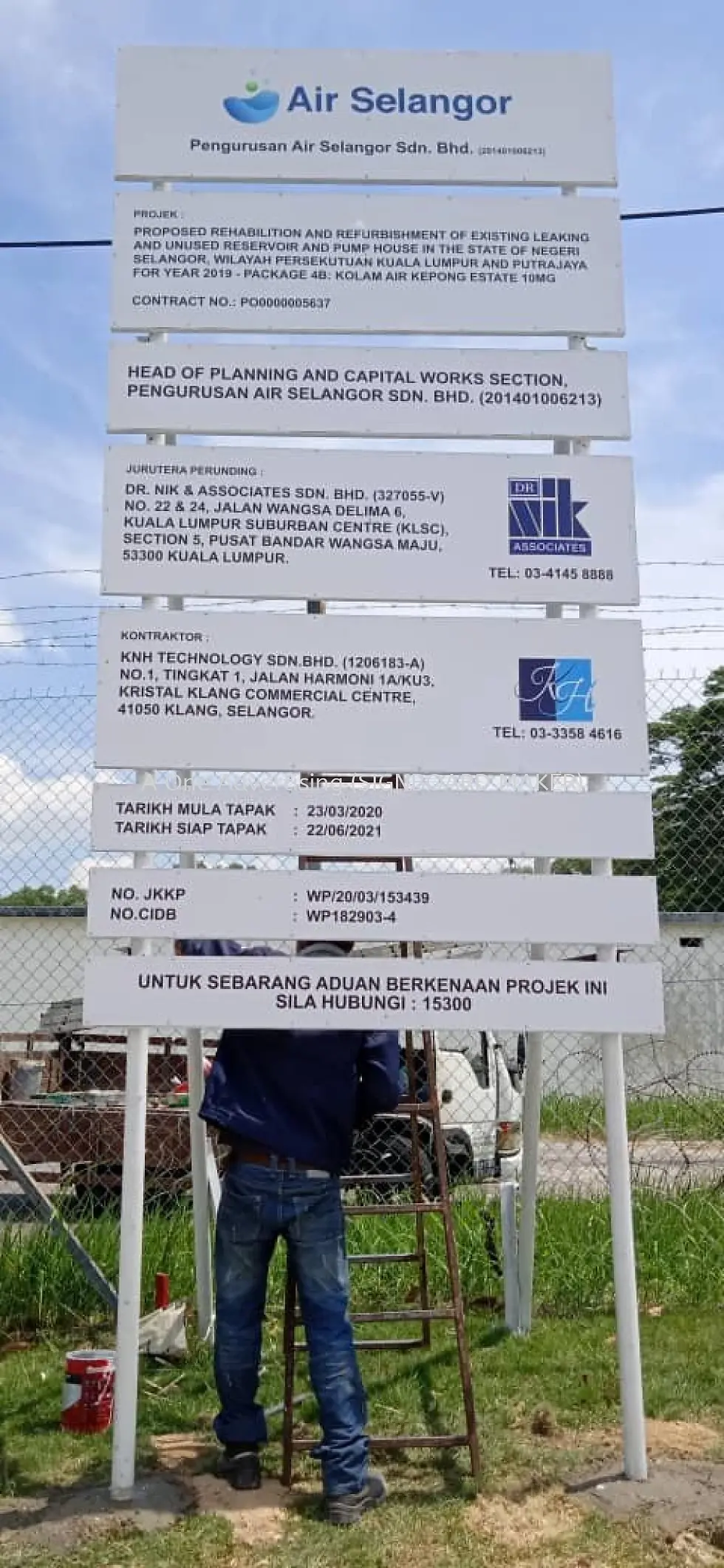
signage for construction site signs show the location of ongoing building work. They often include the contractor’s name, project details, and expected completion dates.
These signs help identify who is responsible for the site and provide contact information in case of emergencies. They also mark off areas where work is happening to prevent unauthorised entry.
Construction signs can be large boards or simple metal panels. Durability is key, as they are exposed to weather and must remain readable throughout the project.
Safety Site Signs
Safety site signs warn workers and visitors about hazards. Common messages include “Hard Hat Area,” “High Voltage,” or “No Entry.”
These signs help reduce accidents by highlighting risks clearly. They use bright colours like red, yellow, or orange to attract attention quickly.
Safety signs must follow legal standards and regulations to ensure they are effective. Clear symbols are often used so everyone understands the warning without needing to read long text.
Directional Site Signs
Directional signs guide people around a site to improve flow and avoid confusion. They point out entrances, exits, parking areas, and specific buildings or zones.
These signs are especially important on large sites where multiple teams work in different places. They reduce wasted time by making navigation easier for visitors and workers.
Usually, they feature arrows and simple words like “Site Office” or “Delivery Bay.”
Informational Site Signs
Informational signs provide details about rules, procedures, or schedules on the site. Examples include working hours, PPE (personal protective equipment) requirements, or emergency contacts.
signage for construction site help everyone understand what is expected while on site. Clear layout and legible fonts make the information easy to read quickly.
Updating these signs as rules change ensures the site remains safe and organised.

Design Considerations for Site Signs
Site signs must be durable, easy to read, and match the company’s identity. Choosing the right materials, ensuring clear visibility, and customising designs are all important factors in their effectiveness.
Material Selection
The choice of material impacts the sign’s lifespan and appearance. Aluminium is popular for being lightweight, weather-resistant, and rustproof.
Plastic signs, like PVC or acrylic, are cost-effective and good for temporary displays. However, they can fade or crack under long sun exposure.
Wood offers a natural look but needs regular treatment to prevent rotting and warping. Steel is strong but prone to rust without proper coating.
Choosing the right material depends on budget, location, and how long the sign will be used.
Visibility and Legibility
Signs must be easy to spot and read from a distance. Using large, clear fonts helps people read signs quickly.
High contrast between text and background improves legibility, such as black text on a white background. Avoid overly complex fonts or too much text.
Lighting also affects visibility. Reflective materials or built-in lights ensure signs can be seen at night or in poor weather.
Positioning signs at eye level and avoiding obstructions like trees or poles is essential.
Branding and Customisation
Site signs should reflect the company’s brand clearly. Incorporating logos, colours, and fonts consistently strengthens brand recognition.
Custom shapes or sizes can make signs stand out but must remain practical and clearly visible. Adding contact details or website addresses must be legible but not overcrowd the sign.
Using professional design services can help ensure signs are both attractive and on brand.
Regulations and Compliance
Site signs must meet specific standards to ensure safety and legal correctness. These rules help protect workers, visitors, and the public by giving clear warnings and information.
Compliance avoids fines and legal troubles.
Health and Safety Requirements
Site signs must comply with health and safety laws. They need to clearly show warnings about potential hazards, such as falling objects, electrical risks, or moving machinery.
Signs should use recognised symbols and easy-to-read fonts. Signs must be placed where they are visible and legible from a safe distance.
They should be made of durable materials to withstand weather and damage. Regular checks are needed to replace faded or damaged signs.
Using signs that follow the Health and Safety (Safety Signs and Signals) Regulations 1996 is essential. Failure to display proper signage for construction site can lead to accidents and legal penalties.
Legal Obligations for Site Signage
Legally, site owners and managers must display signs that meet the Construction (Design and Management) Regulations 2015. These signs inform workers and visitors of site rules, emergency contacts, and safety procedures.
Signs must include information on personal protective equipment (PPE) requirements and restricted areas. If the site involves hazardous materials, additional warnings are mandatory.
Non-compliance with signage for construction site laws can result in prosecution or fines. Keeping up to date with national and local regulations is necessary to ensure all signs meet the legal standards.

Installation and Maintenance of Site Signs
Proper installation and regular upkeep keep site signs visible and effective. Correct mounting, protection from the weather, and routine checks are needed to ensure signs last and convey the right information.
Mounting Methods
Site signs can be mounted in various ways depending on the location and surface. Common methods include using stakes driven into the ground, brackets attached to walls, or poles fixed with concrete bases.
For temporary signs, stakes are fast and easy to install but may not hold well in soft soil or windy conditions. Wall mounting works best for brick or concrete surfaces and offers strong support.
Poles with concrete provide stable, long-term mounting for high-traffic areas. Signs must be level and secure to prevent tilting or falling.
Using appropriate fasteners like screws, bolts, or heavy-duty ties is essential. Correct positioning ensures visibility and compliance with regulations.
Weatherproofing
Protecting site signs from rain, wind, and sunlight extends their lifespan. Waterproof materials such as aluminium or treated plastic are commonly used to resist rust and decay.
Applying UV-resistant coatings helps prevent colour fading from sun exposure. Edges and fasteners should have sealants or gaskets to stop water ingress.
Temporary signs may require additional coverings during storms. For sites in rainy or windy areas, reinforcing signs with extra support reduces damage risk.
Routine Inspections
Regular inspections catch wear and tear before signs become unreadable or unsafe. Inspections should check for damage, fading, loose attachments, and soil erosion around mounts.
A checklist helps ensure all aspects are reviewed, including sign face condition, frame integrity, and mounting security. Inspections are ideal once a month or after severe weather.
Repairs might include tightening fasteners, cleaning surfaces, or replacing parts. Timely maintenance prevents accidents and keeps the site information clear to all visitors. For a deeper understanding of on-site communication, explore our comprehensive guides on Construction Signage and Signage in Construction, covering safety, compliance, and best practices
Frequently Asked Questions
Site safety signs must follow specific rules about design, placement, and maintenance. They often use standard symbols and colours to communicate risks clearly.
Printable versions are available from official sources and should be kept up to date.
What are the legal requirements for safety signs on a construction site?
Safety signs must comply with the Health and Safety (Safety Signs and Signals) Regulations 1996. Employers must provide clear signs where there are risks that cannot be controlled by other means.
Signs must be visible and easy to understand.
How do I interpret the meanings of different site safety signs?
Safety signs use colours and symbols to indicate hazards, mandatory actions, and emergency information. Red usually means prohibition or fire equipment.
Blue shows mandatory instructions, while yellow signals warnings. Green is for emergency exits or first aid.
Where can I find printable versions of construction site safety signs?
Printable safety signs can be downloaded from government websites, health and safety organisations, and certain well-known industry providers. These signs conform to legal standards.
Always check they are current before use.
What guidelines exist for the placement and visibility of safety signs on site?
Signs should be placed at eye level or where they are clearly visible on the approach to hazards. They must not be obscured by equipment or weather conditions.
Lighting should ensure visibility during night or low light.
Are there standardised symbols used on site safety signs in the UK?
Yes, symbols on site safety signs follow British Standards, such as BS EN ISO 7010. These standard symbols improve understanding regardless of language.
Employers must use approved symbols to comply with regulations.
How often should construction site safety signage be updated or reviewed?
Site safety signs should be reviewed regularly, especially when site conditions change.
A formal review at least every 12 months is recommended.
Damaged or faded signs must be replaced immediately to maintain effectiveness.


Comments