
Site Safety Signs: Essential Guidelines for Workplace Protection

Updated: Jul 30, 2025
Site safety signs play a vital role in keeping workers and visitors safe on construction sites and other hazardous areas. They provide clear warnings and instructions that help prevent accidents and ensure everyone knows the risks and rules.
This signage for construction site come in different types, each with a specific purpose, such as warning of dangers, providing mandatory instructions, or indicating emergency exits. Their correct use and placement are essential for effective communication and legal compliance.
Understanding how to install and maintain these signs properly ensures they remain visible and relevant.
Key Takeaways
Site safety signs warn of hazards and guide behaviour.
Correct placement and type of signs are crucial for safety.
Signs must be kept clear, up to date and well maintained.
Types of Site Safety Signs
Site safety signs use clear visuals and text to guide behaviour and warn of dangers. They are designed to protect workers and visitors by giving precise instructions or alerts.
Mandatory Signs
Mandatory signage for construction site tell people what they must do. These signs usually feature a white symbol on a blue circle.
Examples include wearing hard hats, eye protection, or high-visibility clothing. These signs help prevent accidents caused by ignoring essential safety requirements.
These signs appear at entrances or near dangerous equipment to remind everyone of the rules.
Prohibition Signs
Prohibition signs show what actions are not allowed. They use a black symbol on a white circle with a red border and a diagonal line.
Common prohibition signs include no smoking, no entry, or no open flames. These signs stop risky behaviours that could cause fires, explosions, or other hazards.
They are placed where dangers are high or rules must be strictly obeyed.
Warning Signs
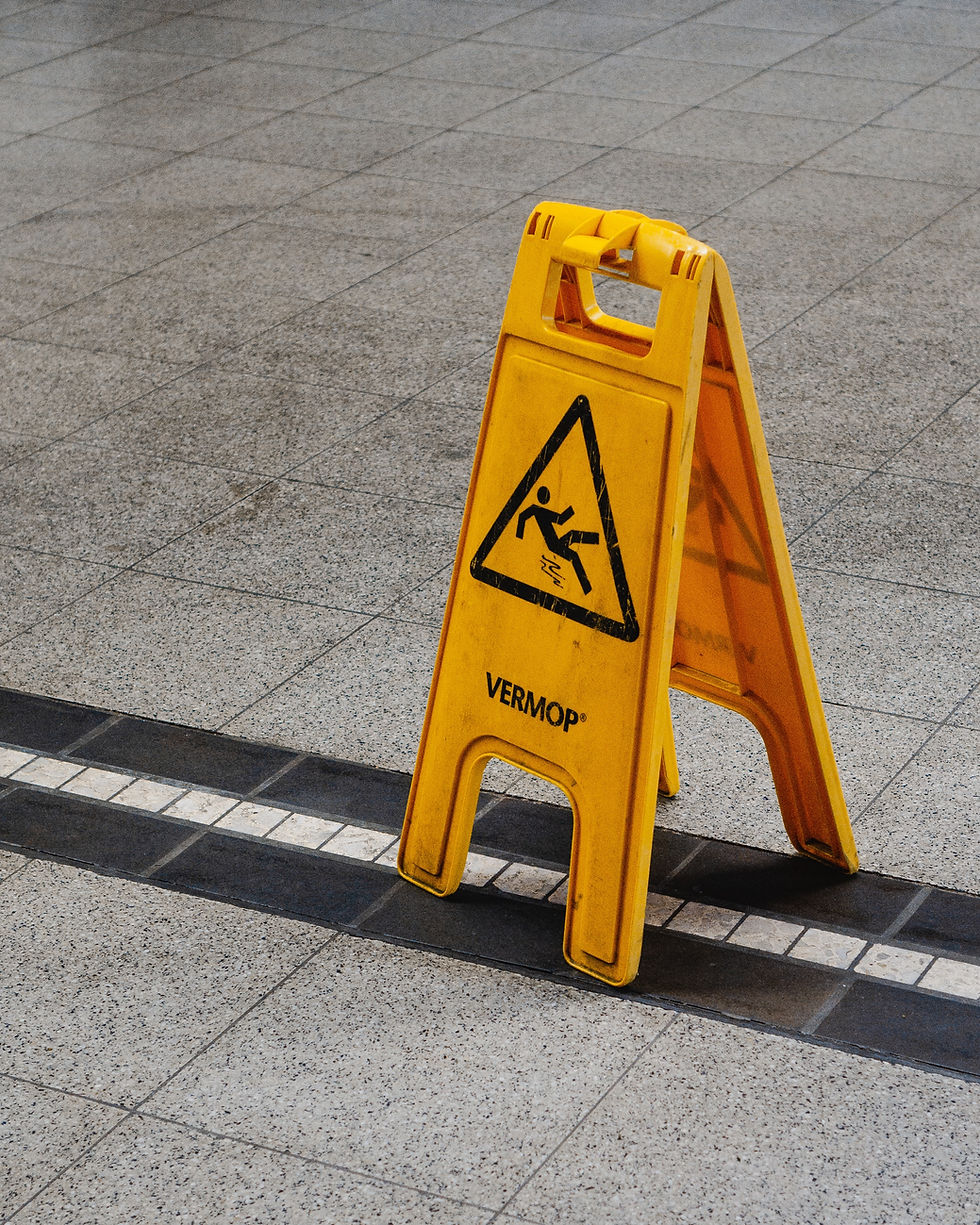
Warning signs alert people to potential dangers. This signage for construction site is usually a black symbol on a yellow triangle with a black border.
They cover hazards like slippery floors, falling objects, or electrical risks. These signs help individuals notice hazards before harm occurs.
Warning signs often appear near machinery, uneven ground, or areas with chemical exposure.
Safe Condition Signs
Safe condition signs show safe routes, exits, or equipment locations. These signs have a white symbol on a green rectangle or square.
Examples include emergency exit signs, first aid stations, and safe assembly points. These signs guide people to safety during emergencies or injury.
They are placed at escape routes, medical areas, and meeting points to help everyone find help or leave the site quickly.
Site Safety Sign Regulations and Compliance
Site safety signs must follow clear rules to protect workers and visitors. These rules set out what signage for construction site is needed, who is responsible for them, and standards to make sure safety messages are clear and effective.
Legal Requirements in the UK
In the UK, site safety signs must comply with the Health and Safety (Safety Signs and Signals) Regulations 1996. These rules require signs to be used when there is a risk that cannot be controlled easily.
Signs must have clear symbols or wording and use specific colours to convey meaning quickly.
The regulations also align with European standards like BS EN ISO 7010, which ensures that symbols are recognised across the industry.
Responsibilities of Employers
Employers must assess health and safety risks on site to decide which safety signs are necessary. They must install signs in visible places and maintain them so they stay clear and readable.
Employers are also responsible for training workers to understand safety signs. If signs are missing or damaged, employers must act quickly to replace or repair them.
Industry Standards
Industry standards guide the design and placement of safety signs to make sure messages are clear. The British Standard BS 5499 offers detailed guidance on the colours, sizes, and types of signs used on sites.
Sites often follow additional codes depending on their sector, such as construction or manufacturing. Using the right standard helps reduce confusion and accidents by keeping safety signage for construction site consistent across different locations.
Design and Installation Best Practices
Effective safety signs depend on correct placement, clear visibility, and durable materials. Each factor helps ensure that workers notice and understand the signs quickly to maintain a safe environment.
Choosing Suitable Locations
Signs must be placed where hazards are most likely to be encountered. They should appear before the risk area so workers have time to react.
Avoid spots blocked by equipment, vehicles, or stored materials. Common locations include entrances, near machinery, electrical panels, and walkways.
Placement should follow local safety regulations and site-specific risk assessments. Signs should also be mounted at eye level for easy viewing.
Regular checks are important to confirm signs remain visible as work progresses or conditions change. Adjust positioning when changes on site hide or obscure safety information.
Sign Visibility and Legibility
Signs need to be easy to see and read from a safe distance. Use bold colours with strong contrast, such as white text on a red or yellow background.
Avoid clutter and keep messages short and clear. Font size should be large enough to be read quickly; at least 5 cm high lettering is standard for most signs.
Symbols and pictograms should follow recognised standards like ISO or ANSI to prevent confusion. Lighting affects visibility too.
signage for construction site should be placed where natural light or site lighting ensures they are visible in all working conditions. Reflective materials may be required for low-light areas.
Material Selection for Durability
Signs must withstand weather, dirt, and damage over time. Materials like aluminium, heavy-duty plastic, or laminated vinyl are commonly used because they resist fading and cracking.
For outdoor sites, UV-resistant coatings prevent colours from fading under sunlight. Waterproof and rustproof materials extend the life of signs exposed to rain or moisture.
Consider the site’s environment when selecting materials. For example, chemical plants may need corrosion-resistant signs, while dusty or muddy sites require signs that are easy to clean.
Regular inspection helps identify when signs need replacement. For a detailed look at how clear visuals enhance on-site safety, don’t miss our guide on Construction Site Signage, where we cover essential signage strategies for every phase of a project.

Maintaining and Updating Site Safety Signs
Keeping site safety signs clear and up to date is essential. Regular checks ensure signs remain visible and accurate.
Damaged or old signs must be replaced quickly to avoid confusion and hazards.
Regular Inspections
Site managers should inspect safety signs at least once a month. They check for dirt, fading, or damage that makes signs hard to read.
Signs outdoors are more vulnerable due to weather and sunlight. Inspections should note any signs that are missing or obscured by materials or equipment.
A checklist helps keep track of each sign’s condition and location.
Replacing Damaged or Outdated Signs
Any sign with cracks, peeling, or faded text must be replaced immediately. Old signs with outdated information pose safety risks and can cause accidents.
Replacement signs must follow current legal standards and include the correct symbols and wording. Using durable materials helps signage for construction site last longer.
Prompt replacement maintains clear communication and keeps the site safe.

Frequently Asked Questions
This section covers key details about the rules, colours, symbols, sources, installation, types, and penalties related to site safety signs. Understanding these points helps maintain a safe work environment.
What are the legal requirements for displaying safety signs on a construction site?
Safety signs must comply with the Health and Safety (Safety Signs and Signals) Regulations 1996. They need to be clear, visible, and placed where hazards exist or where safety instructions are necessary.
Employers must regularly check signs to ensure they remain in good condition and replace any that are damaged or missing.
How do I interpret the different colours and symbols used on safety signs?
Colours on safety signs have specific meanings: red means prohibition or fire equipment, yellow signals warnings, blue indicates mandatory actions, and green shows emergency exits or first aid.
Symbols are simple pictures that explain the message quickly, like a white cross for first aid or a flame for fire hazards.
Where can I find downloadable safety signs for a construction site?
Downloadable construction safety signs are available on official government websites and safety organisations.
Some private companies also provide free or paid signs suitable for site use, but they must meet legal standards.
What is the process for correctly installing safety signs at a worksite?
Signs should be installed at eye level, in well-lit areas, and near the relevant hazard or safety equipment.
It is important to position signs so they are easy to see from a distance and do not get blocked or damaged.
Can you explain the various categories of safety signs required on site?
There are four main categories: prohibitory signs, warning signs, mandatory signs, and emergency information signs.
Each category serves a different purpose, from telling workers what they must or must not do to showing where emergency help is located.
What are the consequences of failing to comply with site safety signage regulations?
Non-compliance can lead to fines and legal action.
It also puts workers’ safety in danger and can damage the reputation of the company responsible.


Thanks for sharing this useful information.
We deliver trusted fire safety solutions and accessories that protect people and property every day. As a dependable emergency safety signs supplier, Azar Fire Protection offers high-visibility safety signs made with durable materials to guide and protect in emergencies. Our range includes safety signs, fire blankets, PVC cabinets, mirrors and more—all designed for clarity and reliability. We work closely with clients to select the right accessories that suit their environment and safety needs. We install, test, and support each product so nothing fails when it’s needed most. We at Azar Fire Protection are committed to quality, safety, and putting your peace of mind first. Visit our website today!