
Illuminated Projecting Signs: Design, Visibility and Installation Best Practice

You want signs that grab attention and work after dark; illuminated projecting signs do both with style and purpose. Projecting signs extend perpendicular to a building so passers-by spot your brand from the pavement, and they combine visibility, durability and aesthetic flexibility to amplify your street presence. An illuminated projecting sign boosts night‑time visibility and brand recognition while remaining highly customisable to suit your frontage and local regulations.
Choosing the right materials, light source and mounting keeps your projecting signs compliant and long‑lasting. Modern LED and halo‑lit effects let you match your brand’s tone without excess energy use. Consider how size, placement and local consent affect installation so your sign performs reliably and looks professional for years.
Key Takeaways
Illuminated projecting signs improve visibility and strengthen brand presence.
LED options and custom finishes deliver energy efficiency and tailored aesthetics.
Proper sizing, mounting and permissions ensure safe, compliant installation.
What Are Illuminated Projecting Signs?
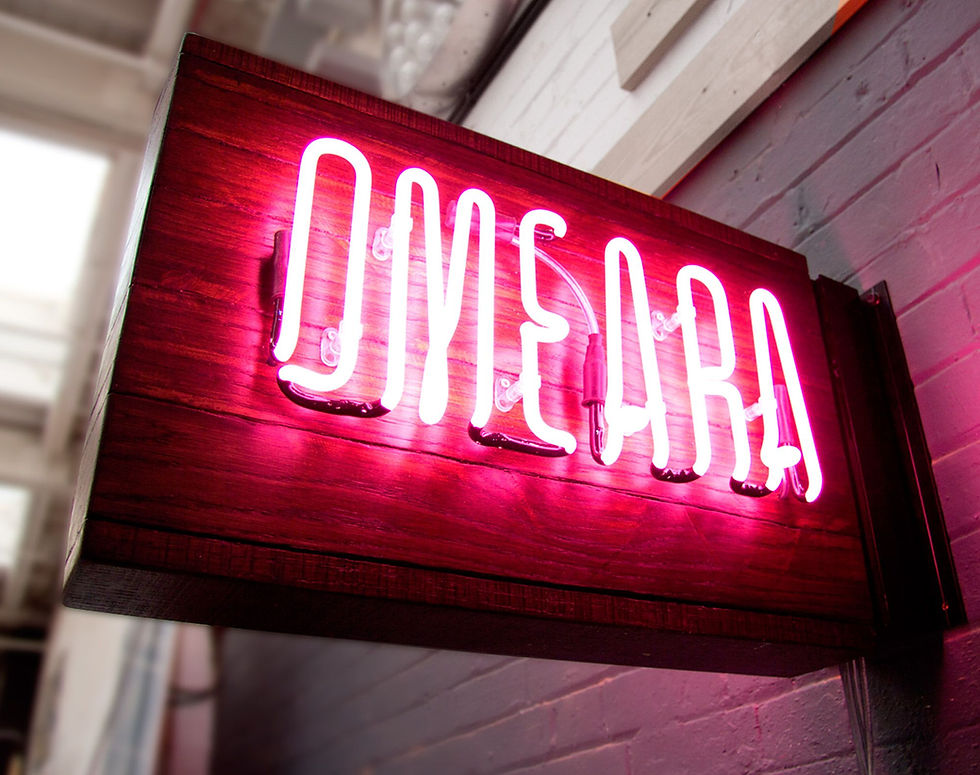
Illuminated projecting signs hang perpendicular to a building face and use internal lighting to make branding visible from the pavement and at night. They combine visible depth, consistent illumination and distinct profiles to attract passing pedestrians and drivers.
Key Features of Illuminated Projecting Signs
You get visibility from multiple angles because the sign projects out from the building, typically 300–1200 mm. Internal LED modules or fluorescent lamps provide even illumination across the face, reducing hotspots and improving legibility at distances of 10–30 metres depending on letter size.Many designs include double-sided faces so both directions of footfall see your message.
Frames often incorporate maintenance access panels and tamper-resistant fixings to simplify bulb or LED driver replacement.Think about brightness levels: typical LED signs operate at 600–1200 cd/m² for street-facing applications, with dimming controls or photocells available to comply with local light-pollution rules. Temperature-rated components and sealed housings extend lifespan and protect against moisture ingress.
Types of Illuminated Projecting Signs
Tray signs: shallow metal or aluminium trays with digitally printed vinyl or punched metal faces and LED strips mounted inside. They suit retail frontages and cafes. Built-up letter projecting signs: three-dimensional acrylic or aluminium letters mounted on standoffs with halo or front illumination. These offer premium depth and high brand recognition.Box signs (blade signs): deeper rectangular boxes often used where larger copy or logos are required. They support changeable panels and translucent faces.Halo-lit signs: letters sit off the substrate so LEDs create a backlit halo effect on the building wall. This delivers a refined, elevated appearance for hospitality or professional offices.
Materials Used in Fabrication
Aluminium and steel form the structural frames because they offer strength with manageable weight and resist corrosion when powder-coated. You should specify marine-grade finishes for coastal locations. Face materials commonly include 3–6 mm acrylic for even light diffusion, polycarbonate where impact resistance is needed, and perforated metal for retro-reflective or textured effects. Vinyl overlays and solvent or UV‑printed graphics provide branding detail.Internal components use IP65-rated LED strips, stainless-steel fixings, and thermal management elements like aluminium heatsinks. Silicone gaskets and sealed cable glands preserve ingress protection and reduce maintenance frequency.
Benefits of Illuminated Projecting Signs
Illuminated projecting signs increase storefront presence, improve wayfinding and extend visibility into evening hours. They also offer options for reduced energy use and robust materials suited to local weather.
Enhanced Visibility and Brand Recognition
You attract attention from pedestrian and vehicular traffic by projecting signage perpendicular to the building façade. When lit, the sign catches the eye from multiple approach angles, increasing the time customers notice your brand compared with flat, back-lit fascias. Use high-contrast colours and legible typefaces; larger letterforms and an illuminated logo deliver recognition at distances of 20–60 metres depending on street width and lighting levels.
Place projecting signs at eye level for pedestrians (2–3 metres) and consider double-sided illumination for two-way streets. Consistent illumination colour and brightness reinforce brand identity across locations. You can also incorporate changeable graphic panels or halo-lit lettering to highlight promotions without replacing the whole unit.
Energy Efficiency and Lighting Options
LED modules dominate modern illuminated projecting signs because they use 70–90% less energy than fluorescent options and maintain lumen output for 50,000+ hours. You can specify colour temperature (warm 2700–3000 K, neutral 3500–4000 K, cool 5000 K) to match your brand tone while optimising visual comfort for passers-by. Choose dimmable drivers and photocell controls to reduce power consumption during low-traffic hours.
Integrated solar panels can power smaller projecting signs where grid access is difficult, but check local regulations and solar yield. For long runs, specify efficient constant-current LED drivers and quality thermal management to prevent lumen depreciation and extend service intervals.
Weather Resistance and Durability
You need an enclosure rated at least IP65 for reliable outdoor performance in rain and dust. Aluminium or stainless steel housings resist corrosion in coastal areas; choose powder-coat finishes or marine-grade paints for added protection. Ensure seams are sealed, and use tempered acrylic or polycarbonate face material to resist impact and UV yellowing.
Pay attention to mounting hardware and wind-load calculations for projecting signs on tall façades; compliant anchors and backplates prevent detachment. Electrical components should meet local ingress and fire-safety standards, and serviceable access panels speed repairs.
Installation and Compliance Considerations
You will need to confirm permissions, plan safe and code-compliant mounting, and set a maintenance routine that preserves illumination and structural integrity. Prioritise documentation and records so inspections and future alterations proceed without delays.
Planning Permission and Local Regulations
Check your local planning authority (LPA) requirements before ordering the sign. Many projecting signs mounted above pavement or visible from a highway require express consent; shopfront advertising, conservation areas, and listed buildings have stricter controls. Request a pre-application meeting with the LPA if your site is in a conservation area or the sign will be illuminated after dusk. Provide scaled drawings, elevations, and a daylight/night-time mock-up to speed determination.
Confirm compliance with the Town and Country Planning (Control of Advertisements) (England) Regulations or equivalent in devolved nations. You must include dimensions, luminance (cd/m²) ratings, and material specifications in your application.If the building is listed, obtain listed building consent for any fixings that alter the fabric.
Installation Best Practices
Select fixings and anchors rated for the substrate: masonry, steel, or timber require different anchor types and torque settings. Use stainless-steel through-bolts for external masonry or chemical anchors where vibration is expected.Position the sign to maintain required headroom and pedestrian clearance. Ensure the outer edge sits at least 2.3 metres above pavement unless temporary permits specify otherwise.
Wire all electrical connections to Part P and BS 7671 standards (IET Wiring Regulations). Install an accessible isolator and label it clearly. Use IP-rated enclosures (minimum IP65 for external drivers) and route cables via conduit or trunking to prevent water ingress and mechanical damage.Use a qualified installer (competent person under NICEIC/NAPIT or equivalent) and compile an installation pack with as-built drawings, certification, and test results for the handover.
Maintenance and Safety Standards
Create a maintenance schedule that includes monthly visual checks, annual electrical testing, and LED luminance measurements every 3–5 years. Log each inspection and corrective action in a maintenance register.Replace damaged panels, corroded fixings, and weathered seals promptly to prevent water ingress and structural decline.
Adhere to Health and Safety Executive (HSE) guidance for work at height and COSHH where cleaning agents are used. Provide risk assessments and method statements (RAMS) before any access using scaffolding or MEWPs.Maintain emergency access to isolators and ensure signage remains within permitted luminance thresholds to avoid glare or distraction for drivers.
Design Trends and Customisation Options
You’ll find practical trends that improve visibility, durability and compliance, plus clear options to match your brand’s colours, typography and mounting requirements. Prioritise legibility, energy efficiency and maintenance when selecting materials and lighting.

Contemporary Design Approaches
Focus on high-contrast faces and large, simple letterforms so passers-by read your sign quickly at 5–15 metres. Use slim aluminium frames with mitred joints for a modern profile; they resist corrosion and cut weight.
LED modules with 3-step MacAdam binning provide consistent colour across multiple signs. Choose diffused acrylic faces to reduce hotspots and ensure even illumination. For night and day legibility, pair internal LED backlighting with reflective vinyl for daytime contrast.
Consider modular construction: detachable face panels and replaceable LED boards speed on-site servicing. If you need local-authority compliance, design to a maximum projection and include quick-release brackets for emergency access. For streets with high wind load, specify reinforced mounting brackets and load-rated fixings.
For businesses seeking to maximise their visibility and brand impact, projecting signs are an essential investment. The sign company specialises in designing, fabricating, and installing illuminated projecting signs that meet the highest standards of durability, compliance, and visual appeal. Whether you need robust tray signs, eye-catching halo-lit projecting signs, or custom box signs, The sign company provides end-to-end solutions tailored to your requirements.
Contact The sign company today to discuss how projecting signs can elevate your business presence and ensure your brand stands out—day and night. Let The sign company help you make the most of projecting signs for your location and audience.
For further reading, explore our blogs on projecting signage and Custom Projected Signs to expand your understanding of design options and applications.
Custom Branding Solutions
Match exact Pantone colours using translucent vinyl over white-lit faces to achieve precise brand colour without sacrificing illumination evenness. The sign company recommends providing your logo as a vector SVG or EPS with outlined fonts for crisp edges at any scale.
Typography must be legible at distance; test sign mock-ups at true scale in print or digital render to confirm x-height and stroke width. The sign company offers multiple finish options: satin anodised aluminium, powder-coated RAL colours, brushed stainless steel or mirrored chrome for premium looks.
Projecting signs are ideal for visibility from multiple directions. The sign company can add interactive elements where useful, such as QR code etching on the sign base or RGB LED accents controllable via DMX/Wi‑Fi for timed colour changes. Projecting signs can be customised with a variety of materials and lighting styles to fit your branding.
Include a small table of common custom options:
Materials: acrylic, polycarbonate, aluminium, stainless steel
Lighting: single-colour LED, RGB, edge-lit, halo-lit
Finishes: powder-coat (RAL), anodised, brushed, mirrored
Mounting: wall, projecting bracket, suspended, flush
Projecting signs require consideration for mounting and visibility. Specify maintenance access and warranty terms in the contract with The sign company to protect your brand and ensure longevity.


Comments