
Front Shop Signage: Types, Design and Choosing the Right Signs

For most UK retailers, the strongest starting point for front shop signage is a clear fascia sign, supported by projecting signs or window graphics where the frontage needs extra visibility. A focused design helps people identify your business quickly from the pavement or across the road.
Your shop signage also sets expectations before customers step inside. Clear lettering, colours that suit your brand and materials suited to the building help your frontage look considered and easy to recognise.

Which Sign Types Suit Your Shopfront?
A fascia sign gives your business a prominent nameplate, while other formats help people spot your entrance, read key details or notice an offer. The right mix of shop signage reflects your frontage, how customers approach it and when you trade.
How Do Fascia Signs and Sign Trays Work?
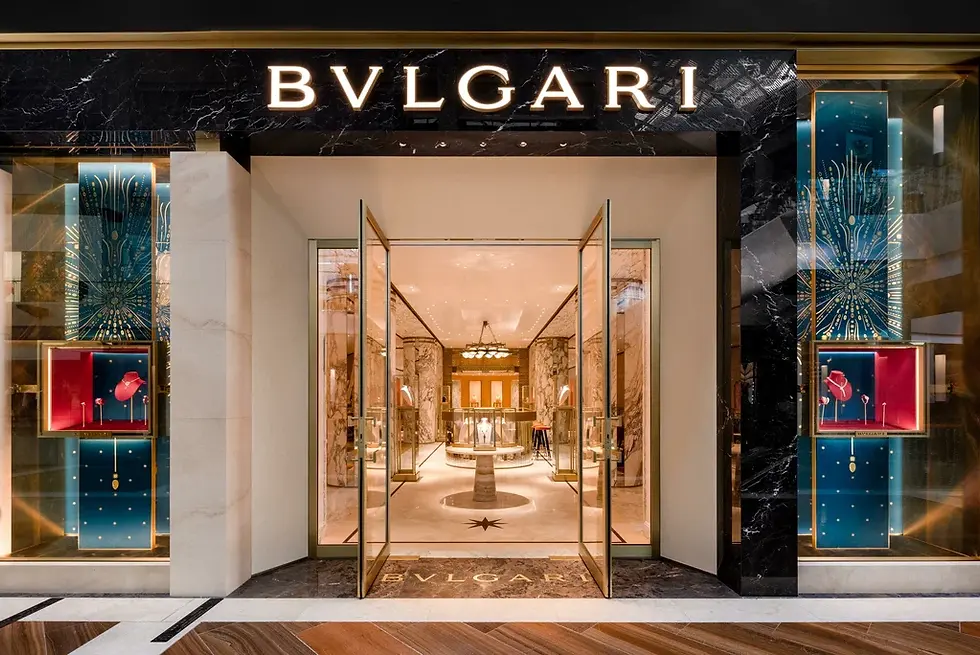
Fascia signs sit above the entrance and windows, giving your business name a visible home across the frontage. A flat panel provides a clean surface for printed graphics or lettering; a sign tray adds depth through folded edges and can create a more substantial finish.
For your main fascia, keep the business name prominent and reserve smaller details for another surface. Check the available area against gutters, shutters, lights and existing fixings before you settle on dimensions. This helps your shop signage fit the building neatly and keeps important text clear.
When Are Illuminated Signs and 3D Lettering Worthwhile?
Illuminated signs help people see your business during evening trading and on darker winter days. Options include internally lit trays, face-lit letters, halo-lit letters and external lights. Choose lighting that keeps the wording legible from the pavement and suits the character of the building.
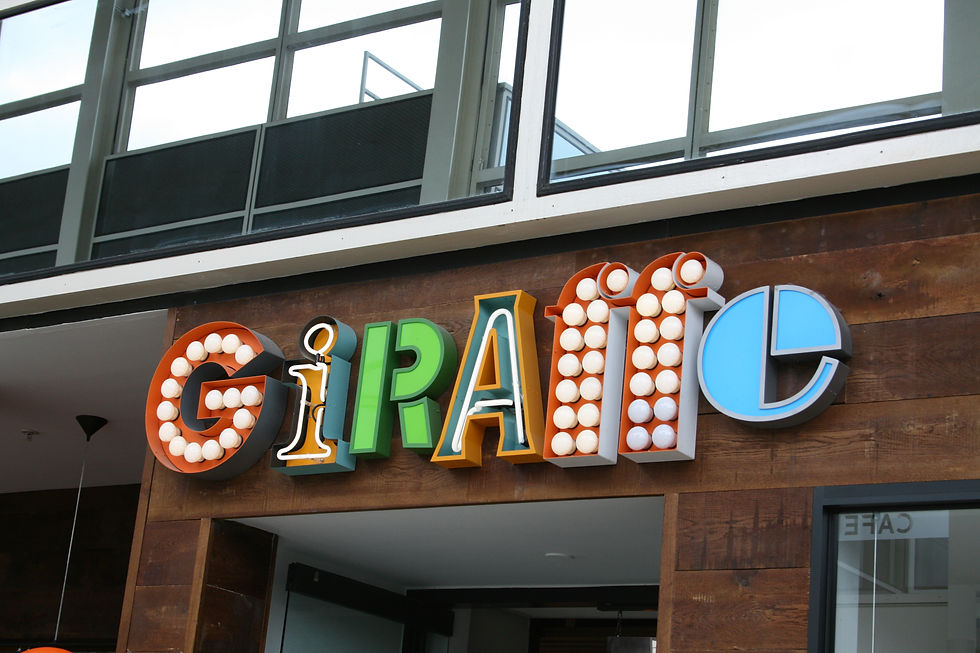
Raised 3D lettering adds depth and creates shadows across the fascia. Flat cut letters provide a simpler profile, with material and finish shaping their appearance. Both options work well when your name or logo is concise; a busy list of services is harder to read at a glance.
Can Projecting Signs Help You Stand Out?
Projecting signs extend at right angles from the building, making your name or symbol visible to pedestrians approaching from either direction. They suit narrow high streets, recessed entrances and shop rows where a fascia is easy to miss from the pavement.
Keep the message short and the design legible on both sides. Before choosing a position, check the available clearance, fixing surface and local requirements. A projecting sign should guide people towards your entrance without obstructing the pavement.
How Can Window Graphics Promote Your Business?
Window graphics let you use glazing for useful information and timely promotions. Vinyl graphics can carry your logo, opening hours or a short service message, while window decals and vinyl lettering offer a lighter treatment for doors and individual panes.
Use promotional signage for a specific offer or seasonal message, then update it when the campaign ends. Frosted graphics provide privacy while allowing daylight through. Leave clear areas in the windows so people can still see into the shop, and keep your retail signs consistent with the main frontage.
How Do You Plan Signage That Works?
Effective shop signage starts with your building, your audience and the distance from which people will read it. A practical plan brings sign design, materials and installation together, so custom signage fits the site as well as your brand.
How Should Sign Design Reflect Your Brand?
Your sign design should make your business recognisable through consistent use of your logo, colours and typefaces. Keep the main message brief, use strong contrast and choose lettering that remains readable from the pavement. Put opening hours and extra details on the door or window, where people can read them at closer range.
Custom shop front signs give you flexibility to match the sign to your frontage and brand identity. Consistency across your fascia and supporting signs builds brand recognition over time, while clear, distinctive colours improve brand awareness and brand visibility for passing customers.
Which Materials Suit Your Premises and Budget?
Choose materials according to exposure, expected lifespan and the finish you want. Aluminium signs and aluminium composite panels offer a durable option for exterior panels, while acrylic suits raised letters and illuminated elements. Metal signs, including stainless steel finishes, can give lettering a refined appearance.
Vinyl works well on glazing for graphics and lettering, and it is straightforward to update when your message changes. Consider how sunlight, rain and dirt affect the site, then ask about suitable finishes and maintenance. If you are comparing shop front signage services, check that the proposed material matches the frontage and the sign’s intended use.
What Happens During a Sign Survey and Installation?
A survey checks the dimensions, surface condition and practical constraints of your frontage before production. The installer can note brickwork, glazing, shutters, cables, access requirements and existing fixings, then confirm how the sign will be secured.
Ask for a visual of the design on your actual frontage and confirm the wording, dimensions and finish before manufacture. Check with your landlord and local council about approvals; illuminated signs, listed buildings and conservation areas can involve additional requirements. Installation should use fixings suited to the surface, with electrical work arranged for any illuminated elements.

For more ideas on choosing effective storefront displays and creating a professional business entrance, explore our guide on Shop Sign Board for practical advice and inspiration.
Make Your Shopfront Easy to Recognise
A recognisable front shop signage scheme gives your business a clear main sign and supporting details that people can read quickly. Keep your name prominent, make sure colours and lettering suit your brand, and use additional signs to help customers find the entrance or understand what you offer.
Before approving the final design, review it against the actual frontage and consider how it will look from the pavement and after dark. If you are discussing a project with The Sign Company UK, share your measurements, brand assets, trading hours and any landlord or council guidance so the team can shape a suitable proposal.


Comments