
Shop Signage Design: Create a Standout Storefront

Effective shop signage design gives your business a clear, recognisable storefront by combining legible wording, consistent branding and materials suited to the site. Your sign introduces your shop before a customer reaches the door, so its name and purpose need to register at a glance.
A coordinated mix of shop signs, window graphics and directional displays helps customers find you and understand what you offer. The Sign Company UK can help you plan storefront signage that fits your premises and supports a consistent retail identity.
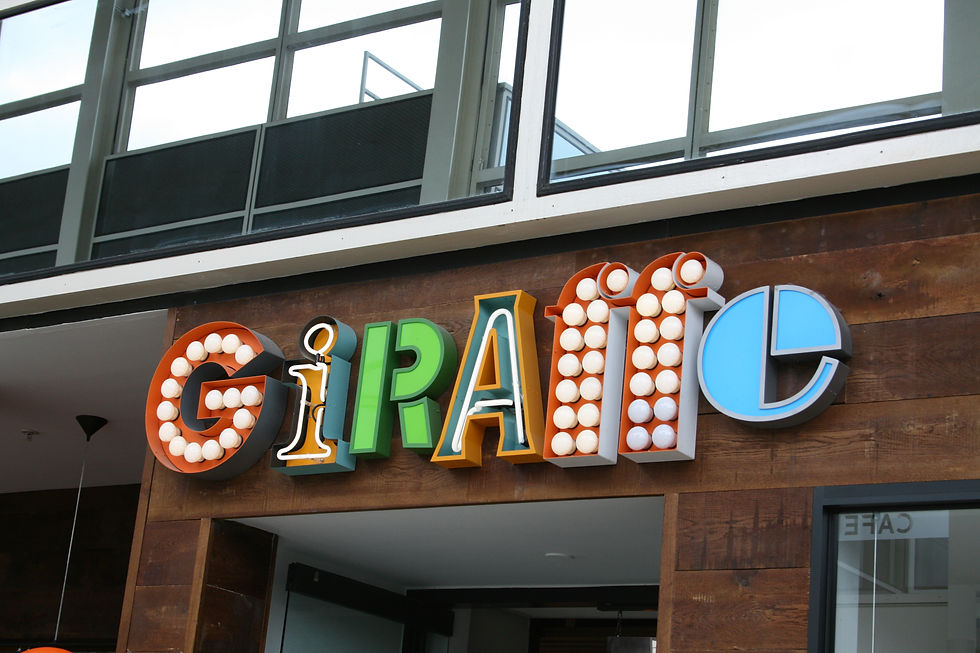
How Can Signage Strengthen Your Storefront Brand?
Shop signage strengthens your storefront brand when it carries your visual identity into the street and communicates your offer clearly. Your sign design should use the same logo, colours and typography as your website and printed materials, creating a recognisable link between your storefront branding and the rest of your business branding.
A well-planned layout starts with the sign’s job and viewing position. Your fascia may need to identify your business from across the road, while a window display can share opening details or a concise service description. Keep the main message prominent and reserve secondary information for a separate panel or window area.
What Makes a Sign Easy to Read and Recognise?
A readable sign uses a short message, clear type and strong contrast. Give your trading name the largest type, then add a brief descriptor only if it helps people understand what you sell or provide. A specialist shop might use a short category line; a familiar brand name may need no extra wording.
Choose a typeface with open letterforms and enough spacing to remain clear at the expected viewing distance. Decorative script can suit a short wordmark, while longer wording is easier to scan in a simple, sturdy font. Check that letter and background colours separate clearly in daylight and after dark.
Your shop signage should feel connected to the brand while remaining easy to read from the pavement. Leave clear space around the logo and wording so the layout does not feel crowded. For a frontage seen by passing traffic, keep the sign focused on the name and one key message.
How Can a Sign Mockup Help Refine Your Design?
A sign mockup lets you review scale, placement and colour before production. Ask for the design to be shown against a photograph of your premises, then check how it sits alongside windows, doors, lighting and neighbouring signs.
Review the proof at both full size and a reduced scale that reflects how customers will see it from the pavement. Look for small details that may disappear at a distance, wording that competes with the business name, or a logo that feels cramped. Confirm spelling, colours and dimensions before approving the final artwork.
For custom shop signs, share a high-resolution logo and your brand colour references with your sign supplier. Professional signage design can then translate your brand identity into a practical signboard design, whether you need custom signage for a fascia or personalised signage for a smaller entrance panel.

Which Formats and Materials Suit Your Premises?
Choose a sign format and material that suit your frontage, viewing distance and exposure to the weather. A shop signage plan may combine a fascia sign for identification with window graphics for useful details and directional signs inside the premises.
A storefront sign needs to fit the building’s proportions and remain visible along the main approach. Flat aluminium signs suit many permanent exterior displays, while raised 3D lettering creates depth on a fascia or wall. Wooden signs bring warmth to some independent businesses and heritage settings, with upkeep suited to the finish and location.
Should You Choose Illuminated or Outdoor Signage?
Choose illuminated signs when evening visibility supports your trading hours or when the frontage receives little natural light. Front-lit letters and illuminated signage panels make names visible after dark; external lights can suit an existing sign where wiring is practical. Keep the lettering bold enough to read, and check the effect of illumination from the pavement.
Outdoor signage also needs to work in daylight and withstand the conditions at its location. Aluminium and other weather-resistant panels are suitable for many exposed shop fronts; banners suit time-limited promotions, while window graphics can display opening hours or a focused offer. Check that glazing remains clear where customers need to see into the shop.
Before ordering, ask your local planning authority whether advertisement consent is required, particularly for illuminated or projecting signs and premises in a conservation area. If you rent, check your landlord’s requirements as well. The rules vary by location and sign type, so confirm them before committing to manufacture.

If you're looking to improve your local storefront and attract more customers, explore our guide on Shop Signs in London for practical ideas, styles and installation advice.
How Do Materials, Installation and Cost Affect Your Choice?
Material choice affects appearance, lifespan and installation requirements. Aluminium signs offer a durable, low-maintenance option for many exterior settings, while metal signs can provide a refined finish for individual lettering. Wooden signs add a natural character, with periodic care needed to keep the surface presentable.
Compare the full installed cost, including fixings, access equipment and any electrical work for illumination. A simple panel has different installation needs from 3D lettering, which requires secure mounting points and accurate alignment. Measure the fascia and note obstacles such as gutters, shutters and existing lights before requesting a quote.
Window graphics, banners and event signage work well for messages that change with promotions or seasonal activity. Directional signage helps people navigate once they enter, especially when the till, collection point or service area is not immediately visible. Keep each sign’s wording suited to its location, then confirm the final proof, fixing method and any consent before installation.
Set your shop signage priorities by checking what customers need to see first, how far away they will be and how exposed the sign will be. Give the business name clear prominence, match the format to the frontage and approve a full-size proof before production.


Comments