
Are Vehicle Wraps Covered by Insurance? Understanding Coverage and Claims

Vehicle wraps are a popular way to change a car’s appearance. Many people wonder if their insurance covers this modification.
In most cases, a van wrap or vehicle wrap is considered a modification by insurance providers and should be disclosed to ensure coverage. Though wraps usually do not affect the car’s performance, their visual change means insurers often treat them differently from the original vehicle.
Failing to inform the insurer about a van wrap might lead to problems if a claim is made, especially if the wrap is damaged or involved in an accident. Some policies cover standard repairs to wraps, but others may require extra coverage or specific insurance designed for wrapped vehicles.
It is important to check with the insurance company before installing a van wrap to avoid surprises. Vehicle wraps may also affect insurance costs or eligibility.
Key Takeaways
Vehicle wraps, including a van wrap, are generally classed as modifications by insurance providers.
Informing insurers about wraps helps ensure proper coverage.
Extra coverage may be needed for full protection of the wrap.
Understanding Insurance Coverage for Vehicle Wraps
Vehicle wraps come in different forms and serve various purposes. This influences how insurance treats them.
Insurance may cover damage to a van wrap in certain cases. There are important limits and exceptions that policyholders must know.
Types of Vehicle Wraps and Their Purposes
Vehicle wraps are made from vinyl films applied over the original paint. They serve several roles:
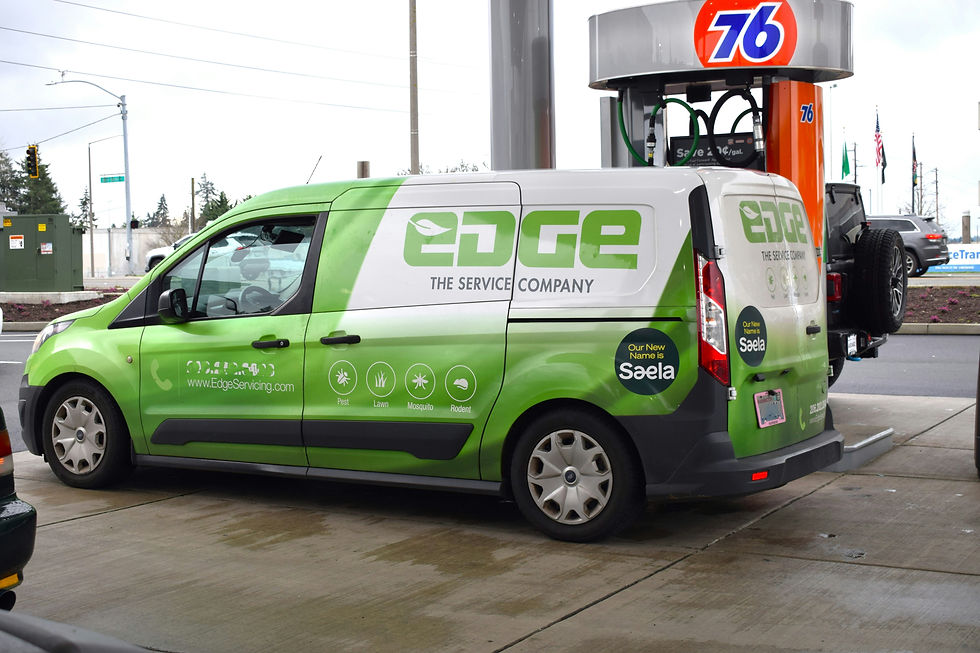
Advertising wraps display company logos and contact details, turning vehicles into mobile billboards.
Personal customisation wraps let owners change the vehicle’s appearance without repainting.
Protective wraps shield the paint from scratches and wear.
Each type can affect insurance differently. For example, advertising wraps may increase the vehicle’s value since they customise the look, which insurers might consider during claims.
Protective wraps help maintain the car’s condition but may not add value.
Situations Where Insurance May Cover Vehicle Wraps
Insurance coverage depends on the policy and damage cause. Most standard car insurance covers damage to the vehicle itself, which can include the wrap if damaged in:
A road accident
Vandalism or theft
Fire or natural events
Coverage often applies to repair, not full replacement, of the wrap. Some insurers require vehicle owners to declare the wrap to ensure it is covered.
Failing to inform the insurer could lead to denied claims.
Exclusions and Limitations in Standard Policies
Standard policies do not always cover every kind of damage to a van wrap.
Common exclusions include:
Damage due to normal wear and tear or fading
Wraps that violate legal rules, such as designs affecting driver visibility
Loss or damage if the wrap was not declared to the insurer
Some insurers only offer repair costs instead of full replacement for damaged wraps. Custom or very expensive wraps might need extra, specialised coverage outside the basic policy.
Vehicle owners should check policy details carefully. Notifying their insurer about any van wrap is essential to avoid surprises in case of damage.

Steps to Secure Insurance Protection for Vehicle Wraps
Securing insurance for a van wrap involves clear communication and proper policy adjustments. Keeping detailed records helps avoid coverage gaps and ensures the wrap is protected under the insurance policy.
Notifying Your Insurance Provider
The first step is to inform the insurance company about the vehicle wrap. Many policies require declaration of any cosmetic changes, including a van wrap, to maintain valid coverage.
Failure to notify the insurer could lead to claims being denied or the policy becoming void. It is important to provide details such as the wrap’s colour, style, and installation date when notifying the insurer.
Some insurers may treat a wrap as a modification, which can impact risk assessment and premium costs. Early communication helps clarify these points.
Adjusting Your Policy for Customisations
After notifying the insurer, the policy may need adjustments to cover the van wrap properly. Some companies include wrap coverage under standard plans, while others may charge extra or require a specialised policy.
If the wrap is seen as a modification, the insurer might ask for a modified vehicle policy. This can affect premiums, so customers should get clear quotes before proceeding.
Insurance adjustments can cover repair or replacement costs if the wrap is damaged. It is important to know the limits, deductibles, and conditions of such coverage.
Documentation and Valuation Requirements
Maintaining proof of the wrap’s value and condition is essential. Customers should keep invoices, photos, and installation certificates to document the wrap.
These documents help insurers verify the wrap’s existence and the cost needed for repairs or replacement. A detailed description of materials and workmanship adds to the claim’s credibility.
Regular updates to documentation may be required, especially if the vehicle undergoes further customisations or changes. Keeping these records organised is vital for smooth insurance processes. For everything you need to know about branding on the go, check out our blogs on Van Wrap Graphics and Can Vehicle Wraps Be Removed, where we explore design tips and removal methods.

Frequently Asked Questions
Insurance coverage for vehicle wraps depends on the policy type and the insurer’s rules. Not all insurers cover the full cost of a van wrap, and premiums may change after applying one.
Does comprehensive car insurance cover the cost of vehicle wraps?
Comprehensive insurance may cover vehicle wraps, but it often depends on the policy details. Some insurers treat wraps as cosmetic modifications and may limit the payout or exclude coverage.
What steps should I take to ensure my wrapped vehicle is properly insured?
The vehicle owner should inform their insurer about the wrap as soon as it is applied. Providing details such as colour, finish, and whether the wrap covers the whole car is important.
Are there any specific insurance providers known for covering vehicle wraps?
A few insurers are more accepting of vehicle wraps and may offer policies that include coverage without raising costs. It is advisable to compare providers and check their terms carefully.
Do I need to inform my insurance company if I get my car wrapped?
Yes, it is important to notify the insurance company. Failing to disclose the van wrap can lead to denied claims or the cancellation of the policy.
How does wrapping a vehicle affect my insurance premiums?
Insurance premiums might increase because insurers may view a van wrap as a modification that raises the risk of theft or vandalism. Some companies, however, may not adjust premiums significantly or at all.
What documentation is required by insurance companies for wrapped vehicles?
Insurers often require information about the van wrap’s appearance and installation.
Photographs of the van wrap and invoices from the wrap provider can help verify the modification during the insurance process.



Comments