
Gym Signs for Home Gym: Essential Designs and Placement Tips
- The Sign Company UK

- 20 hours ago
- 4 min read
You can transform your home gym into a motivating, organised space with a few well-chosen gym signs that combine function and style. Choose durable, readable gym signs that reinforce safety, track progress, and reflect your personal aesthetic to make workouts more efficient and inspiring.
Think about messages that guide form, mark workout zones, and remind you of goals—then match materials and fonts to the room’s humidity and lighting. Place gym signs where they’re easily seen during common exercises and install them securely to avoid distractions or damage. The Sign Company UK can help you select and customise the right gym signs for your space.

Choosing the Right Decorative and Functional Gym Signs
Pick materials that survive sweat, sunlight and bumps, choose customisation that matches your training goals and décor, and make sure text and placement keep messages readable during workouts. The Sign Company UK offers a wide range of options for every home gym.
Materials and Durability
Choose materials that resist moisture and physical contact in a gym environment. Aluminium composite and PVC foamboard resist rust and warping; they work well for mounted gym signs near cardio machines or weight racks.For posters and motivational prints, use laminated paper or satin-finish vinyl to prevent curl from humidity. Laminated prints also tolerate cleaning with mild detergent.
If you want a premium look, pick acrylic or brushed metal plaques; they scratch less and hold crisp edges, but use protective mounts to avoid chipping. For outdoor or garage gyms, choose UV-stabilised vinyl or powder-coated metal to prevent colour fade. Always check the thickness: 3–5 mm for rigid panels, 0.5–1 mm for vinyl decals.
Customisation Options
Decide what to customise first: size, colour, text, and imagery are most important. Specify the exact dimensions in millimetres to fit your wall or door space and avoid unwanted trimming. Choose brand-consistent colours using Pantone or HEX codes for a precise match.
Select font styles that reflect your gym’s tone—sans-serif for modern clarity, slab serif for a bold, authoritative look. Add a logo as a 300 dpi vector (SVG, EPS) for crisp scaling. Consider modular gym signs: separate panels for programming, timers, and safety rules so you can update one piece without replacing the whole set. Request proofing from The Sign Company UK to approve spacing and colour before production.

Readability and Visibility
Prioritise contrast and letter size to keep messages readable during exercise. Use a contrast ratio of at least 4.5:1 between text and background; high-contrast combinations like white on black or dark navy on pale grey work well under mixed lighting. For main headings, choose a minimum of 48 pt; for secondary instructions, 18–24 pt at typical viewing distances (1–3 metres).
Position gym signs at eye level for the primary user—around 1500 mm from floor—and avoid placing them behind equipment where they become obscured. Use matte finishes to reduce glare from overhead lights. If you need directional or safety signage, add pictograms sized at least 100 mm square so they remain recognisable when glanced at during movement.
Placement and Installation Tips
Place gym signs where they are visible from common workout positions and won’t interfere with equipment movement. Use appropriate fixings for your wall type and ensure gym signs sit at eye level for the intended users. The Sign Company UK provides guidance on the best installation methods for your chosen gym signs.
Wall Mounting Techniques
Identify your wall material first: stud timber, masonry, plasterboard or plaster over lath. For timber studs, mark studs with a detector and screw gym signs directly into the centre of the stud using 35–50 mm wood screws. For plasterboard without studs, use metal hollow-wall anchors rated for the sign weight; push-in plastic anchors are unsuitable for loads over 2 kg.
For masonry or concrete, use masonry plugs and screws or a hammer-drive anchor; drill with a carbide masonry bit sized to the plug. Keep the gym sign horizontal by using a spirit level and mark pilot holes with a pencil before drilling. For lightweight acrylic gym signs consider 3M VHB tape on clean, dry surfaces — press firmly for 30 seconds and allow 24 hours cure before stressing the bond.
Use anti-rotation washers or two fixings for narrow or tall gym signs to prevent twisting. For outdoor-exposed gym signs, choose stainless steel fixings and seal exposed holes with silicone to prevent water ingress. The Sign Company UK can assist with both selecting and installing your gym signs for a professional finish.
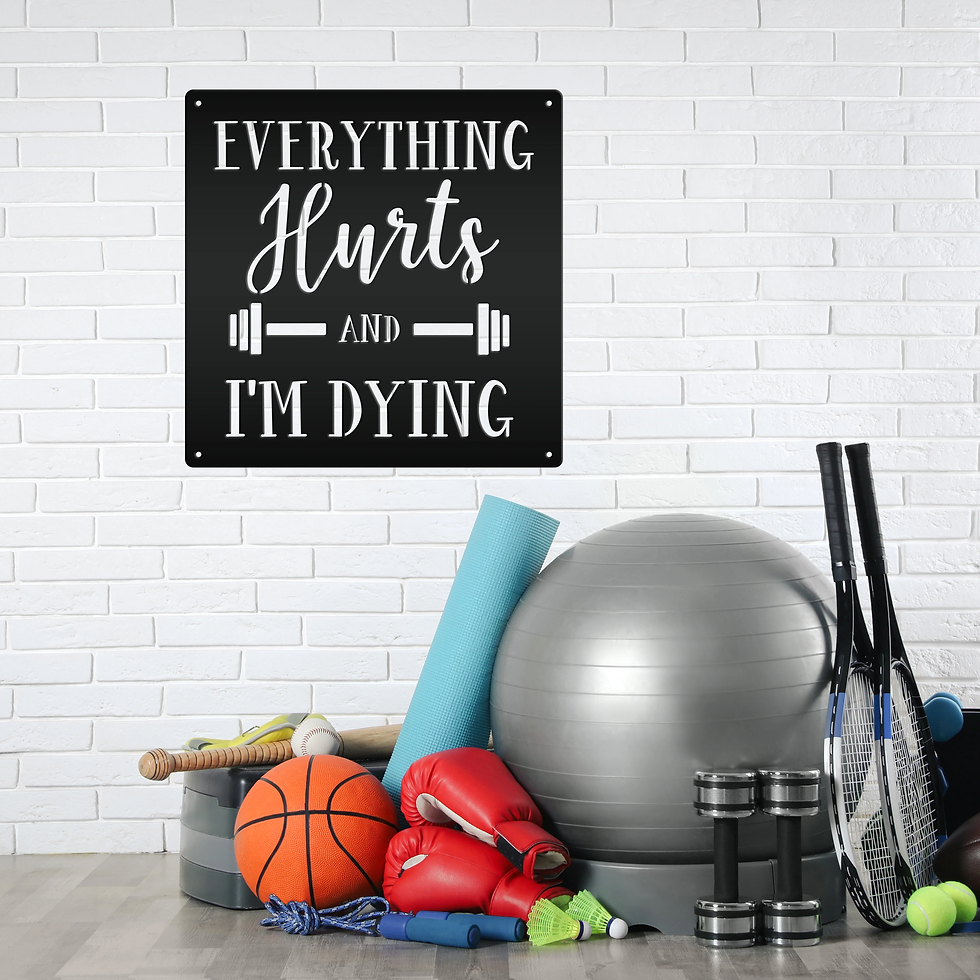
For more inspiration, explore our blogs on Gym Rules Signs and Gym Sign Ideas to further refine your workout space.
Safety Considerations
Check the gym signs’ edges and mounting hardware for sharpness; file or cover sharp edges to prevent cuts during installation. Wear eye protection, gloves, and a dust mask when drilling; secure ladders on flat ground and have someone steady the ladder if working above shoulder height.
Confirm the weight rating of anchors against the gym signs plus any added load from knock or accidental contact. Avoid mounting gym signs where they could obstruct emergency exits, bar rack movement, or clash with swinging weights. For glass-backed mirrors or gym signs, use safety film or backing and fit secondary support (safety cables) to catch the sign if primary fixings fail. The Sign Company UK recommends always following proper safety protocols when installing gym signs in your facility.


Comments