
How Much Does a Shop Sign Cost? Full Pricing Breakdown from a Sign Company

Updated: 7 hours ago
A shop sign in the UK usually costs between £300 and £3,000, depending on the type of sign, its size, the materials and whether it is illuminated. Simple vinyl lettering or a printed panel sits at the lower end. Large illuminated signs with built-up letters can cost £5,000 or more, before installation and any planning fees.
That is a wide range, and it’s why “How much does a shop sign cost?” is one of the first questions any sign company is asked. The honest answer is that it depends on what you need, but you don’t have to go into the process blind.
At The Sign Company UK, we quote for shop signs of every size and style, from small independent boutiques to retailers with several sites. In this guide we share realistic price ranges, explain what drives the cost up or down, and point out the extras that often catch people out, so you can set a sensible budget before you start collecting quotes.
Key Takeaways
Most shop signs cost between £300 and £3,000, while large illuminated signs can exceed £5,000.
Sign type, size, materials and lighting have the biggest effect on price.
Installation, electrics, access equipment and planning consent are often priced separately.
A clear, itemised quote is the best way to compare one sign maker against another.

Shop Sign Prices at a Glance
Here is a general guide to what different types of shop sign cost to supply. These figures exclude VAT and installation, and the final price will always depend on size and specification.
Sign Type | Typical Cost (excl. VAT) |
Cut vinyl lettering (window or fascia) | £100 – £500 |
Printed flat panel (ACM) | £300 – £1,200 |
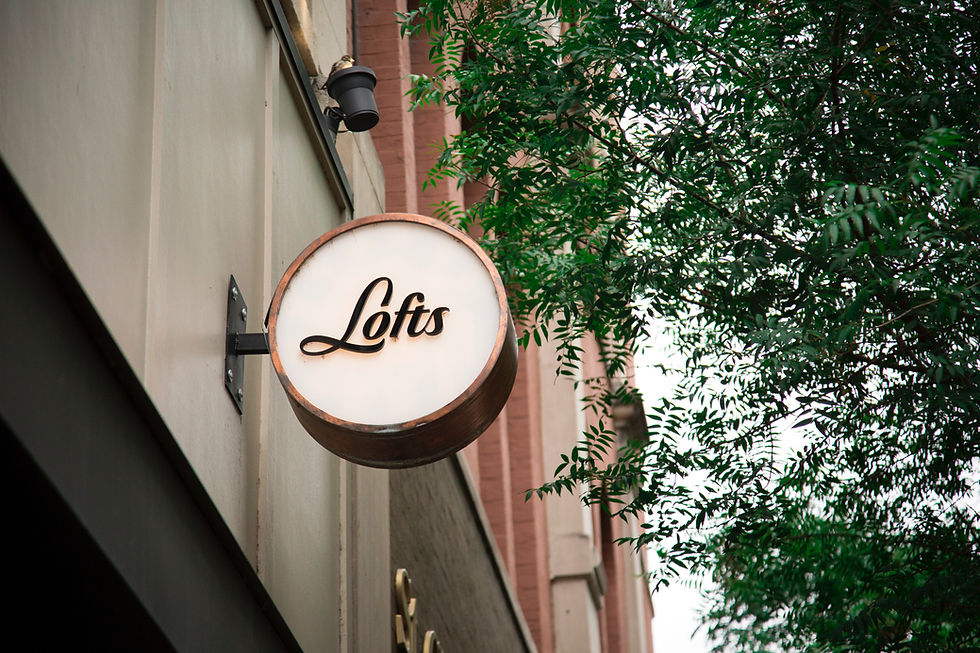
Projecting or hanging sign | £300 – £1,500 |
Aluminium sign tray with 3D letters | £800 – £2,500 |
Illuminated lightbox | £1,000 – £3,000 |
Illuminated built-up letters (face-lit or halo-lit) | £1,500 – £5,000+ |
Outdoor digital LED screen | £1,500 – £5,000+ |
These are starting points rather than fixed prices. Two signs that look similar in a photo can be priced very differently once you factor in size, material thickness and the quality of the lighting inside.
What Affects the Cost of a Shop Sign?
Type of Sign
The type of sign is the biggest single factor. A printed panel is quick to make and simple to fit. Built-up letters, by contrast, are each cut, folded or fabricated, then finished and fixed one by one. That takes far more time in the workshop and on site.
Size
Bigger signs use more material and often need stronger fixings, extra brackets or a sign made in sections. A compact 1.2m sign over a narrow shopfront will cost much less than a 6m fascia running across a double frontage.
When choosing a size, think about where people will see the sign from. A sign that needs to be read from across a busy road or car park has to be larger than one aimed at passing pedestrians.
Materials
The material affects both the price and how long the sign will last:
Foam PVC: low cost and lightweight, best for indoor or short-term signs.
Aluminium composite (ACM): the most popular choice for printed outdoor panels, as it is rigid, weatherproof and affordable.
Acrylic: ideal for lettering and illuminated signs, with a smart, glossy finish.
Aluminium and stainless steel: strong and long-lasting, used for trays, letters and premium finishes.
Timber: traditional and full of character, but it needs more maintenance over the years.
A good sign company will show you samples, so you can see and feel the difference before you commit.
Design Complexity
A simple name in a clean font is relatively cheap. Costs rise with:
detailed logos and multi-colour graphics
curved or unusual shapes
powder-coated colours
special finishes such as gold leaf or brushed metal
If you don’t already have artwork, design time may also be charged separately.
Lighting
Lighting is often where budgets jump. As a rough guide:
External lighting: trough lights or spotlights shining onto a non-illuminated sign, usually the most affordable way to light a sign
Lightboxes: a fully illuminated face, good value for strong night-time visibility
Face-lit letters: individual letters that glow through their faces
Halo-lit letters: letters lit from behind to create a soft glow on the wall, usually the most expensive option
Modern LED lighting is energy efficient and long lasting, so running costs are low. Traditional glass neon is still available, but it uses more power and is more fragile, which is why most businesses now choose LED alternatives.
Location and Access
Where your shop is, and how easy the fascia is to reach, can affect the installation price. A ground-floor sign on a quiet street is straightforward. A high-level sign on a busy London road may need a cherry picker, scaffolding or a council licence to use the pavement.
Types of Shop Sign and What to Expect
Non-Illuminated Signs
Non-illuminated signs suit shops that mainly trade in daylight, or streets with good lighting. Popular options include printed panels, sign trays, projecting signs, timber signboards and window vinyls. They are the most budget-friendly choice, and many shops add external lighting later if they need it.
Illuminated Signs
Illuminated signs keep you visible on dark winter afternoons and in the evening, which matters for takeaways, bars, gyms and late-opening shops. The main options are lightboxes, face-lit letters and halo-lit letters. Lightboxes are the cheapest of the three and halo-lit letters the most expensive.
Digital Signs
Digital LED screens let you change your message whenever you like, which suits shops with frequent promotions. As well as the screen itself, budget for mounting, electrical work, content and, in some cases, a content management system or software subscription.
Extra Costs to Plan For
Installation
Not every sign company includes installation in its price, so always check. Installation is usually charged per visit, half day or full day for a two-person team. A small sign might take a couple of hours, while a large illuminated fascia can take a full day or more.
Extra installation costs may include:
removing and disposing of an old sign
repairing a rotten or damaged fascia board
access equipment such as towers, cherry pickers or scaffolding
electrical connections by a qualified electrician
Planning Consent
In England, many simple non-illuminated shop signs can go up without an application, under what is known as deemed consent. You are more likely to need advertisement consent from your local council if:
the sign is illuminated
the building is listed, which usually means listed building consent too
the shop is in a conservation area
the sign is unusually large or above ground-floor level
Budget for the council’s application fee plus the cost of drawings, and allow several weeks for a decision. Putting up a sign without consent it needs can lead to enforcement action and an order to remove it, so it’s worth checking first. An experienced sign company can tell you whether your sign is likely to need consent and help prepare the drawings.
Maintenance
Most modern signs need very little upkeep. A gentle clean a few times a year keeps them looking fresh. Over time you may need to replace faded vinyls, repair weather or vandal damage, or swap an LED power supply. Ask whether aftercare is available, especially for illuminated and digital signs.

How to Get Good Value
Ask for an Itemised Quote
A single total figure makes it hard to compare prices. Ask each sign company for a quote that breaks down:
sign size, materials and thickness
lighting type and LED quality
design and artwork
installation, access equipment and electrics
removal of the old sign
warranty on the sign and the lighting
This makes it easy to see whether you are comparing like with like, and it stops a quote that looks cheap from hiding extra charges.
Match the Sign to Your Plans
If you are on a short lease or testing a new location, a printed panel or vinyl lettering keeps costs down. For a long-term shop, it usually pays to invest in a sign tray, built-up letters or illumination that will look sharp for years.
Order Everything Together
If you need a fascia sign, a projecting sign and window graphics, ordering them together usually costs less than ordering them separately. You save on design time and installation visits, and everything matches.
Choose an Experienced Sign Maker
The cheapest quote is not always the best value. An established sign company will survey the site, check fixings and planning, and stand behind its work with a warranty. That peace of mind is worth a lot when your sign is the first thing customers see.
Frequently Asked Questions
What does a basic outdoor shop sign cost?
A simple printed ACM panel or vinyl lettering typically starts from a few hundred pounds, plus installation.
How much does a hanging or projecting sign cost?
Most projecting signs cost between £300 and £1,500, depending on size, materials, bracket style and whether they are illuminated.
Does a shop sign price include installation?
Not always. Some quotes are supply only, so ask your sign company whether installation, access equipment and electrics are included.
Do I need planning permission for a shop sign?
Not always. Simple non-illuminated signs often fall under deemed consent, but illuminated signs and signs on listed buildings or in conservation areas usually need consent.
How long does a shop sign last?
With quality materials and basic maintenance, a well-made shop sign can last many years. Printed vinyls may need refreshing sooner on sunny frontages.


Comments