
Personalised Classroom Sign Ideas for Engaging and Organised Learning Environments

Personalised classroom signs help you create a clear, welcoming space that reflects your teaching style and supports student routines. A well-chosen custom sign improves navigation, reinforces classroom rules, and adds personality without disrupting learning.
You can pick colours, fonts and icons that match lesson plans and age groups, making information easy to spot at a glance. Place signs near doors, learning stations and displays so they guide behaviour and boost organisation throughout the day. Signs for schools are a simple yet effective way to enhance the learning environment.

Key Takeaways
Custom signs quickly communicate purpose and expectations.
Thoughtful design choices increase visibility and engagement.
Strategic placement supports routines and classroom flow.
Design Elements for Custom Classroom Signs
Choose fonts, colours and layout that match your classroom's purpose, visibility needs and school identity. Think about legibility, contrast, and how personal details like names or subjects will sit within the overall design. The Sign Company UK recommends prioritising clarity and consistency when designing signs for schools.
Selecting Fonts and Colours
Pick fonts that remain readable at a distance: sans-serif options like Helvetica, Arial or Open Sans work well for headings, while a simple serif such as Georgia can suit smaller body text. Use no more than two typefaces to avoid visual clutter; set a clear hierarchy with size and weight (e.g., 36–48 pt for the room name, 18–24 pt for secondary details).
For colours, prioritise contrast for accessibility: dark text on a light background or white text on a dark background. Use your school’s primary colour for the main element and a secondary neutral (navy, charcoal, or cream) for supporting text. Include a small swatch key if you supply electronic proofs so the printer matches Pantone or CMYK values precisely.
Incorporating School Themes
Embed school identity through logos, mascots and official colour palettes, but keep proportions balanced so the sign remains functional. Place the school crest in a corner at roughly 10–15% of the sign height to preserve prominence without overpowering the room name.
Use consistent visual elements across corridors: repeated iconography (e.g., a book for the library, a beaker for science) helps wayfinding. For joint-use spaces, include a dedicated strip or microcopy stating booking hours or department responsibility. Ensure any photographic backgrounds are low-detail and desaturated so they don’t reduce text legibility.

Personalisation with Names and Subjects
Decide whether names appear full (e.g., “Ms A. Thompson”) or abbreviated (“A. Thompson”) to fit space and privacy policies. For staff privacy, consult your school’s data policy before displaying full legal names. Align the teacher’s name beneath the subject in a smaller weight and italic if you want a clear visual separation.
For subjects, use standardised short codes (e.g., “Maths”, “Eng Lit”, “Sci – Chem”) to maintain consistency across signs. If you frequently change assignments, choose modular inserts or a small magnetic panel for the teacher/subject area so updates stay crisp without full reprints. The Sign Company UK offers flexible solutions for signs for schools, making it easy to update details as needed.
Practical Applications and Placement
Personalised classroom signs serve identity, wayfinding and classroom management roles. Signs for schools should be positioned thoughtfully to maximise their effectiveness and visibility.
Enhancing Classroom Identity
A personalised sign helps you communicate the classroom’s purpose and tone at a glance. Choose font styles and colour palettes that match your curriculum focus — for example, bold sans-serif and bright primary colours for early years, or muted tones and serif fonts for senior study spaces. Include the teacher’s name, year group, and a short tagline (e.g. “Room 12 — Science Lab”) so visitors immediately know who teaches there and what happens inside.
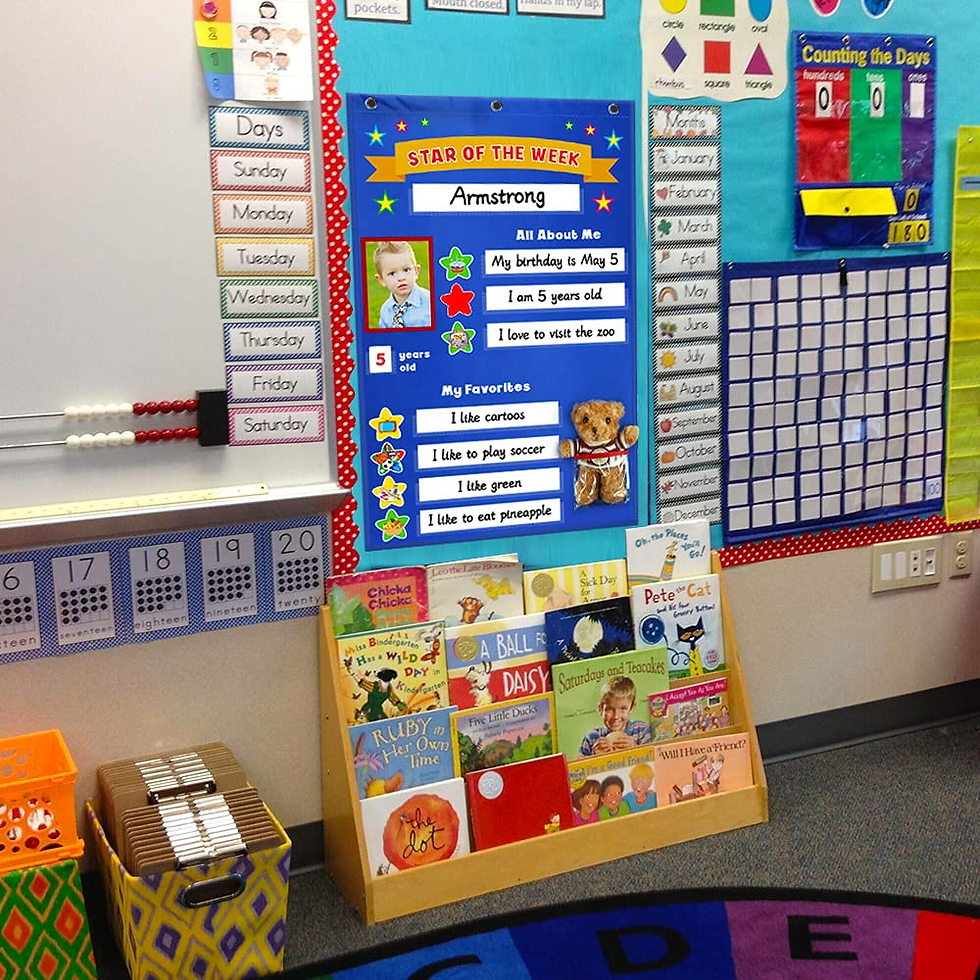
Position additional smaller signs or icons to reflect daily roles or rotating responsibilities, such as “Reading Corner” or “Maths Star of the Week.” You can also incorporate student work displays or magnetic panels below the sign to reinforce ownership and pride. Signs for schools can be customised to highlight these unique elements, and The Sign Company UK can help you bring your vision to life.
Guidance for Installation
Mount signs at eye level for the average user: approximately 145–155 cm from floor to centre for primary settings, and 150–165 cm for secondary. Place them on a wall adjacent to the door, not behind it, so they remain visible when the door is open or closed. Use a spirit level when marking drill points to keep lettering straight.
For lightweight acrylic or PVC, use double-sided foam adhesive pads for a flush finish on smooth paint. For heavier wooden or metal plaques, screw-mounted standoffs provide stability and a premium look. If the wall is plasterboard, locate a stud or use appropriate anchors (toggle or molly bolts). Label the fixings in your inventory so replacements match existing styles. The Sign Company UK provides expert advice on installing signs for schools, ensuring your classroom signage remains secure and professional.
Durability and Material Choices
When choosing signs for schools, select materials based on traffic, cleaning regime, and exposure. For high-touch areas, laminated aluminium composite panels resist scratches and disinfectant; they also tolerate repeated cleaning with alcohol-based wipes. For low-traffic or decorative signs for schools, engraved wood or MDF offers warmth but needs a sealed finish to prevent moisture damage.
The Sign Company UK recommends using UV-stable inks and matt coatings if the sign faces direct sunlight, and opting for anti-graffiti laminates in corridors subject to vandalism. Temperature changes near external doors favour rigid substrates (aluminium or acrylic) over flexible plastics that warp. The Sign Company UK suggests keeping a small maintenance kit — spare screws, adhesive pads, and a cleaning cloth — so you can quickly repair or refresh signs for schools when needed.



Comments